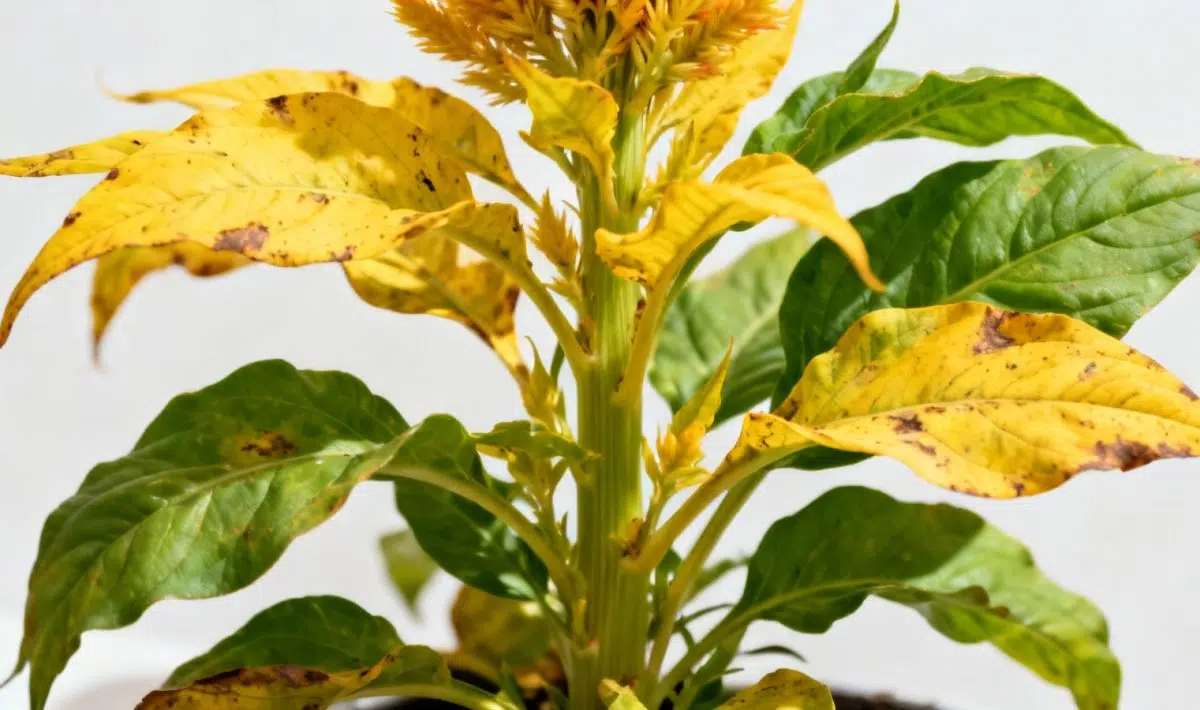
Why are my cock’s comb leaves turning yellow – plant care solutions
Nothing’s more frustrating than watching your beautiful cock’s comb plants develop yellow leaves when they should be showing off their vibrant, colorful flowers. This common issue affects many gardeners, but don’t worry – yellowing leaves are often a cry for help that can be addressed with the right approach.
Yellow leaves on cock’s comb plants typically signal underlying stress factors that need immediate attention. Understanding these causes will help you restore your plants to their former glory and prevent future problems from occurring.
Several factors can cause your cock’s comb leaves to turn yellow, and identifying the root cause is essential for effective treatment. The most frequent culprits are related to watering, nutrition, and environmental conditions that don’t match the plant’s needs.
Overwatering stands as the primary reason for yellow leaves in cock’s comb plants. When soil remains consistently wet, roots can’t breathe properly and begin to rot. This prevents the plant from absorbing nutrients effectively, leading to that telltale yellow discoloration you’re seeing.
Watering issues and soil drainage
Cock’s comb plants prefer well-draining soil that dries out slightly between waterings. When water sits around the roots for too long, it creates perfect conditions for fungal diseases and root rot. Check your soil by inserting your finger about two inches deep – if it feels soggy, you’re likely overwatering.
Conversely, underwatering can also cause yellowing, though this usually affects older, lower leaves first. The plant sacrifices these leaves to conserve water for new growth. Look for additional signs like wilting or crispy leaf edges to distinguish between over and under-watering.
✅ Quick Checklist
Is the soil too wet or too dry?
Is the plant getting 6+ hours of sunlight daily?
Have you fertilized in the last 2 months?
Are there visible pests under the leaves?
Does the pot have adequate drainage?
🔥 FREE
📱
Diagnose your plant in one click!
AI instant diagnosis • Personalized solutions • 50,000+ species
Yellow leaves often indicate nutrient deficiencies, particularly nitrogen, which is essential for healthy foliage growth. When plants don’t receive adequate nutrition, they begin breaking down chlorophyll in older leaves to redistribute nutrients to younger growth areas.
Nitrogen deficiency typically causes yellowing that starts with older, lower leaves and gradually moves upward. The yellow color usually appears uniform across the leaf surface. Other nutrients like iron, magnesium, and potassium can also cause yellowing, but each has distinct patterns that help with identification.
Similar yellowing patterns are found with other plants, and understanding these causes of yellowing cabbage leaves can provide additional insights into plant nutrition issues that affect many garden varieties.
Light and temperature stress
Cock’s comb plants thrive in bright, direct sunlight for at least six hours daily. When they don’t receive adequate light, the lower leaves often turn yellow and drop off as the plant redirects energy to areas that can better capture available light.
Temperature extremes can also trigger yellowing. These warm-season flowers are sensitive to cold temperatures and will show stress through leaf discoloration when exposed to temperatures below 50°F. Similarly, excessive heat combined with insufficient water can cause rapid yellowing and wilting.
Disease and pest problems
Fungal diseases frequently cause yellowing in cock’s comb plants, especially when humidity levels are high and air circulation is poor. Common culprits include powdery mildew, leaf spot diseases, and root rot fungus that travels up from compromised root systems.
Pests like aphids, spider mites, and whiteflies can also cause yellowing by sucking plant juices and weakening the overall health. These tiny insects often hide on leaf undersides, so regular inspection is crucial for early detection and treatment.
Identifying disease symptoms
Fungal diseases typically create distinctive patterns on affected leaves. Look for spots, patches, or powdery substances on leaf surfaces that accompany the yellowing. These diseases spread rapidly in humid conditions, so early intervention is essential for plant recovery.
Root rot causes yellowing that affects the entire plant rather than individual leaves. You might notice a musty smell from the soil and blackened, mushy roots when you investigate below ground level.
Effective solutions and treatments
Once you’ve identified the cause of yellowing, implementing the right solution becomes straightforward. Start with the most likely culprit based on your observations and environmental conditions.
For watering issues, adjust your schedule immediately. Allow soil to dry slightly between waterings, and ensure containers have adequate drainage holes. If you’re growing in garden beds, consider adding organic matter or perlite to improve drainage naturally.
Correcting nutritional deficiencies
Apply a balanced, water-soluble fertilizer every two to three weeks during the growing season. Look for fertilizers with equal ratios of nitrogen, phosphorus, and potassium (like 10-10-10) to provide comprehensive nutrition for healthy growth and vibrant flowers.
For severe deficiencies, foliar feeding can provide faster results than soil applications. Spray diluted fertilizer directly on leaves early in the morning when stomata are open and absorption rates are highest.
When dealing with yellowing leaves on flowering plants, many gardeners find that solutions for yellow sweet alyssum leaves often apply to other ornamental flowers with similar care requirements.
✅ Quick Checklist
Is the soil too wet or too dry?
Is the plant getting 6+ hours of sunlight daily?
Have you fertilized in the last 2 months?
Are there visible pests under the leaves?
Does the pot have adequate drainage?
🔥 FREE
📱
Diagnose your plant in one click!
AI instant diagnosis • Personalized solutions • 50,000+ species
Remove affected leaves immediately to prevent disease spread and improve air circulation around the plant. For fungal issues, apply an appropriate fungicide according to label directions, and ensure better ventilation in the growing area.
Pest control often requires multiple approaches. Start with gentle methods like insecticidal soap or neem oil, which are effective against most common pests without harming beneficial insects. Apply treatments in the evening to avoid leaf burn and maximize effectiveness.
Prevention strategies for healthy plants
Preventing yellow leaves is always easier than treating them after problems develop. Establish a consistent care routine that addresses all your cock’s comb’s basic needs from the start of the growing season.
Choose appropriate planting locations with good drainage and adequate sunlight exposure. Space plants properly to ensure good air circulation, which reduces disease pressure and helps prevent many common problems that lead to yellowing.
Long-term plant health maintenance
Regular monitoring allows you to catch problems early when they’re easier to address. Check your plants weekly for signs of stress, pest activity, or disease development. Young plants especially benefit from this attention during their establishment period.
Maintain consistent soil moisture levels rather than allowing extreme wet-dry cycles that stress plants and make them more susceptible to problems. Mulching around plants helps regulate soil moisture and temperature while suppressing weeds that compete for nutrients.
With proper care and attention to these key factors, your cock’s comb plants will maintain their vibrant green foliage and produce those stunning, colorful flowers that make them such popular garden additions. Remember that yellowing leaves are often temporary setbacks that respond well to corrective care when addressed promptly.
Allan is a lifelong gardening enthusiast who still gets excited when the first seedlings pop up in spring. With a deep love for nature and a hands-in-the-soil approach, he shares practical tips, plant discoveries, and clever tricks picked up over years of digging, planting, and observing. Whether you’re a new gardener or have a shed full of tools, Allan writes like a neighbor who’s always happy to swap cuttings and stories over the fence.
You can find more about Allan’s work on Malt or connect with him on LinkedIn.