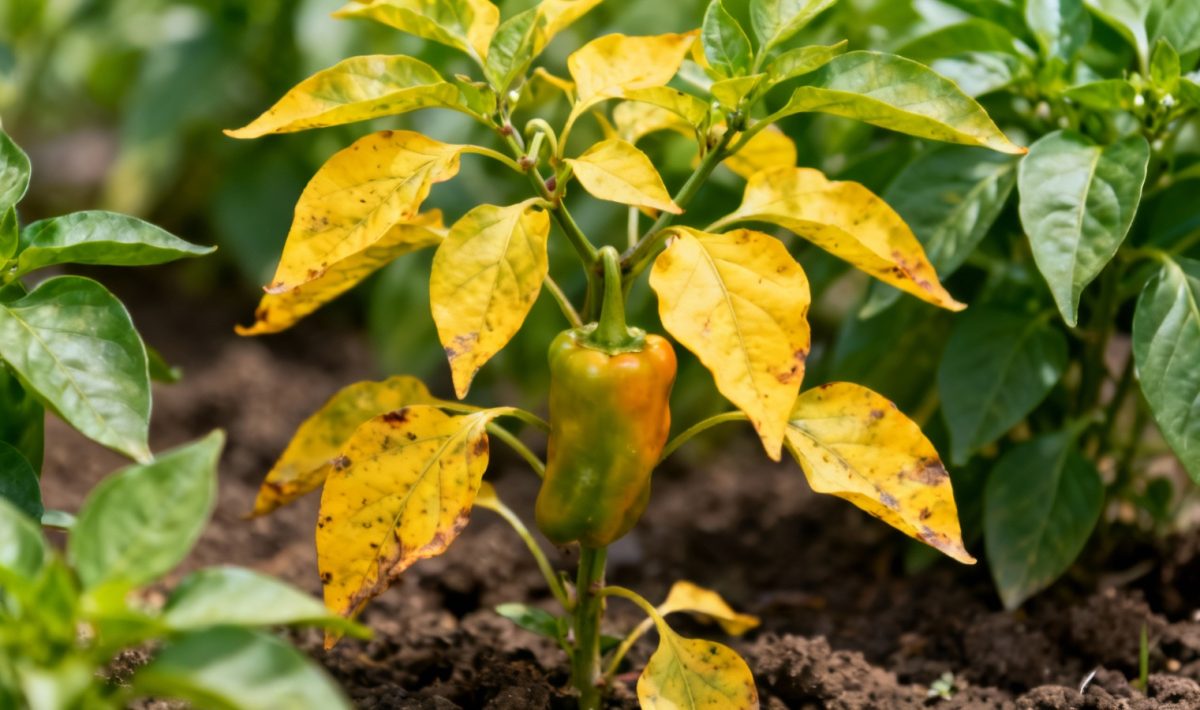
Why are my pepper leaves turning yellow – causes and solutions
Nothing’s more frustrating than watching your beautiful pepper plants develop yellow leaves just when you’re expecting a bountiful harvest. If you’re asking yourself why your pepper leaves are turning yellow, you’re definitely not alone in this gardening challenge. The good news is that yellowing leaves often signal fixable problems rather than plant death sentences.
Yellow leaves on pepper plants can stem from various causes, ranging from simple watering mistakes to nutrient deficiencies. Understanding these causes helps you take the right action quickly. Let’s dive into what’s happening with your peppers and how you can get them back to their vibrant green glory.
Understanding what yellow leaves tell you about your pepper plants
Your pepper plant’s leaves act like a health report card. When they turn yellow, they’re essentially waving a flag to get your attention. The colour change typically starts from the bottom leaves and works its way up, though this pattern can vary depending on the underlying cause.
Healthy pepper plants should maintain rich green foliage throughout their growing season. Yellow leaves indicate that something in your plant’s environment or care routine needs adjustment. The key is identifying whether you’re dealing with natural aging, environmental stress, or a more serious issue requiring immediate intervention.
✅ Quick Checklist
Is the soil too wet or too dry?
Is the plant getting 6+ hours of sunlight daily?
Have you fertilized in the last 2 months?
Are there visible pests under the leaves?
Does the pot have adequate drainage?
🔥 FREE
📱
Diagnose your plant in one click!
AI instant diagnosis • Personalized solutions • 50,000+ species
Why are my pepper leaves turning yellow – the main culprits
Nutrient deficiencies affecting your pepper plants
The most common reason behind yellowing pepper leaves is nitrogen deficiency. Your pepper plants are heavy feeders that demand consistent nutrition throughout their growing season. When nitrogen runs low, the plant starts pulling this essential nutrient from older leaves to support new growth, causing them to turn yellow and eventually drop.
Other nutrient deficiencies can also cause yellowing. Magnesium deficiency typically shows as yellowing between leaf veins while the veins themselves remain green. Iron deficiency affects younger leaves first, creating a distinctive pattern that differs from nitrogen shortage. Potassium deficiency often causes yellowing along leaf edges before spreading inward.
Here are the essential nutrients your pepper plants need:
Nitrogen for leafy growth and overall vigour
Phosphorus for root development and fruit production
Potassium for disease resistance and fruit quality
Magnesium for chlorophyll production
Iron for proper leaf function
Calcium for cell wall strength
Watering problems that cause yellow leaves
Both overwatering and underwatering can turn your pepper leaves yellow, though they affect plants differently. Overwatering is actually more dangerous than underwatering for most pepper varieties. When soil stays consistently wet, roots can’t access oxygen properly, leading to root rot and yellowing leaves.
Underwatering stress also causes yellowing, but it’s usually accompanied by wilting and dry soil. Your pepper plants need consistent moisture without being waterlogged. The soil should feel slightly damp about an inch below the surface, never bone dry or soggy.
Proper drainage is crucial for pepper plants. If you’re growing peppers in containers, ensure your pots have drainage holes. In garden beds, consider raising beds or adding compost to improve soil structure and drainage.
Environmental stress factors
Temperature fluctuations can shock pepper plants into dropping yellow leaves. Peppers prefer warm, stable conditions and don’t tolerate cold snaps well. Even mature pepper plants may yellow if temperatures drop below 50°F or spike above 90°F consistently.
Light conditions also play a role. While peppers love full sun, sudden changes in light exposure can stress plants. If you’ve recently moved plants or if they’re getting less than six hours of direct sunlight daily, leaf yellowing may result.
Diseases and pests that cause yellowing pepper leaves
Common diseases affecting pepper plants
Several diseases can cause yellowing in pepper leaves. Bacterial leaf spot creates yellow halos around dark spots on leaves. Fusarium wilt causes yellowing that starts from the bottom and works upward, often affecting one side of the plant first. Verticillium wilt produces similar symptoms but typically affects entire branches.
Viral diseases like tobacco mosaic virus can cause mottled yellowing patterns on leaves. These diseases are particularly challenging because there’s no cure once plants are infected. Prevention through proper plant spacing, good air circulation, and avoiding overhead watering becomes crucial.
Just like understanding yellowing honeysuckle leaves can help with other garden plants, recognizing disease patterns early helps you take preventive action before problems spread.
Pest problems that yellow pepper leaves
Several pests can cause yellowing by damaging pepper plant leaves or roots. Aphids suck plant juices and can transmit viruses while weakening plants. Spider mites cause stippling that eventually leads to yellowing, especially in hot, dry conditions. Thrips create silvery streaks that may progress to yellowing.
Root-knot nematodes attack underground, causing above-ground yellowing as they damage root systems. These microscopic pests are harder to detect but cause gradual yellowing and stunting that’s often mistaken for nutrient deficiency.
Regular inspection of your pepper plants, including the undersides of leaves, helps catch pest problems early when they’re easier to manage.
✅ Quick Checklist
Is the soil too wet or too dry?
Is the plant getting 6+ hours of sunlight daily?
Have you fertilized in the last 2 months?
Are there visible pests under the leaves?
Does the pot have adequate drainage?
🔥 FREE
📱
Diagnose your plant in one click!
AI instant diagnosis • Personalized solutions • 50,000+ species
If nutrient deficiency is causing your pepper leaves to yellow, targeted fertilization can turn things around quickly. For nitrogen deficiency, apply a balanced fertilizer with equal parts nitrogen, phosphorus, and potassium. A 10-10-10 or 12-12-12 formula works well for most pepper plants.
For magnesium deficiency, Epsom salt provides a quick fix. Dissolve one tablespoon of Epsom salt in a gallon of water and apply it to the soil around your plants every two weeks. This treatment often shows results within a week or two.
Iron deficiency requires iron chelate or iron sulfate supplements. These are available at garden centers and should be applied according to package directions. Avoid over-fertilizing, as this can create new problems and potentially burn your plants.
Fixing watering issues
Establishing a proper watering routine helps prevent most yellowing problems. Water your pepper plants deeply but less frequently rather than giving them frequent shallow drinks. The soil should dry slightly between waterings but never become completely parched.
Check soil moisture by inserting your finger about two inches into the soil. If it feels dry at that depth, it’s time to water. In containers, ensure excess water can drain freely. In garden beds, consider installing drip irrigation or soaker hoses for consistent moisture delivery.
During hot weather, peppers may need daily watering, while cooler periods might require watering every two to three days. Mulching around plants helps retain soil moisture and reduces watering frequency.
Managing diseases and pests
For disease management, remove affected leaves immediately and dispose of them in the trash, not your compost pile. Improve air circulation around plants by proper spacing and pruning lower branches. Apply copper-based fungicides preventively if diseases have been a problem in previous seasons.
Pest control starts with regular monitoring. Blast aphids off with water, introduce beneficial insects like ladybugs, or use insecticidal soap for heavy infestations. For spider mites, increase humidity around plants and use predatory mites as biological control.
Similar to how causes of yellowing pomegranate leaves require specific attention, pepper plant issues need targeted solutions based on accurate diagnosis.
Prevention strategies for healthy pepper plants
Best practices for pepper plant care
Prevention is always easier than treatment when it comes to pepper plant health. Start with healthy seedlings or seeds from reputable sources. Choose pepper varieties suited to your climate and growing conditions, whether you’re growing sweet bell peppers or hot varieties like cayenne or habanero.
Plant peppers in well-draining soil enriched with compost. Space plants appropriately to ensure good air circulation, typically 18-24 inches apart for most varieties. This spacing helps prevent disease problems and ensures each plant gets adequate light and nutrients.
Establish a regular fertilizing schedule using a balanced fertilizer every four to six weeks during the growing season. Supplement with calcium if your soil tends to be acidic or if you’ve had blossom end rot problems in the past.
Creating optimal growing conditions
Peppers thrive in warm, sunny locations with consistent moisture. They need at least six hours of direct sunlight daily and prefer temperatures between 65-80°F. Protect plants from cold winds and provide support stakes for taller varieties to prevent stem damage.
Mulch around plants with organic materials like straw or shredded leaves to retain moisture, suppress weeds, and regulate soil temperature. Keep mulch a few inches away from plant stems to prevent pest problems and disease issues.
Monitor your garden regularly, checking plants at least twice weekly for signs of stress, pests, or diseases. Early detection and intervention prevent minor problems from becoming major setbacks that could affect your entire pepper harvest.
With proper care and attention, your pepper plants should maintain their healthy green colour throughout the growing season, rewarding you with abundant harvests of delicious peppers in colours ranging from green and red to purple, orange, and yellow varieties.
Allan is a lifelong gardening enthusiast who still gets excited when the first seedlings pop up in spring. With a deep love for nature and a hands-in-the-soil approach, he shares practical tips, plant discoveries, and clever tricks picked up over years of digging, planting, and observing. Whether you’re a new gardener or have a shed full of tools, Allan writes like a neighbor who’s always happy to swap cuttings and stories over the fence.
You can find more about Allan’s work on Malt or connect with him on LinkedIn.