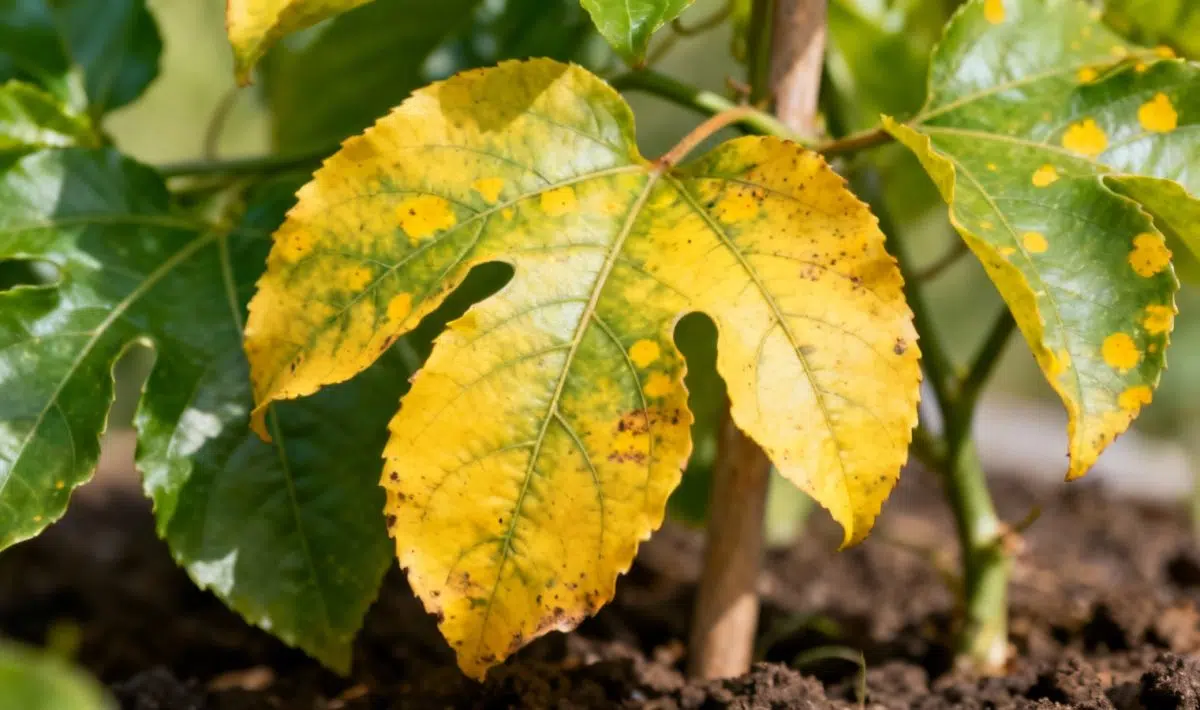
Why are my common passionfruit leaves turning yellow – causes and solutions
Nothing’s more frustrating than watching your beautiful passionfruit plant develop yellow leaves when you’re expecting lush green growth. If you’re wondering why your common passionfruit leaves are turning yellow, you’re not alone – this is one of the most common issues gardeners face with these tropical beauties.
Yellow leaves on passionfruit plants can signal several different problems, from simple watering issues to more serious diseases. The good news is that most causes are treatable once you identify what’s going wrong. Let me walk you through the main culprits and help you get your plant back to its vibrant best.
Passionfruit plants are quite sensitive to their environment, and yellow leaves often serve as their way of communicating stress. The most common causes include watering problems, nutrient deficiencies, disease, and environmental stress. Each of these factors affects the plant’s ability to maintain healthy green foliage.
Water-related issues top the list for most gardeners. Both overwatering and underwatering can cause leaves to turn yellow, though they affect the plant in different ways. Overwatered plants develop yellow leaves from the bottom up as roots begin to rot, while drought-stressed plants may show yellowing starting from the leaf edges.
Nutrient deficiency is another major culprit, particularly nitrogen shortage which directly impacts leaf color and vigor. When plants don’t get enough nutrients, they start pulling resources from older leaves to support new growth, causing the older foliage to yellow and drop.
Disease and pest-related yellowing
Fungal diseases can wreak havoc on passionfruit plants, with fusarium wilt being one of the most serious threats. This disease attacks the plant’s vascular system, preventing proper water and nutrient transport, which leads to widespread yellowing and eventual plant death if left untreated.
Bacterial spot and various leaf diseases also contribute to yellowing, often starting as small spots that gradually expand and merge. These conditions thrive in humid conditions with poor air circulation, making proper plant spacing and pruning essential for prevention.
Pests like aphids, spider mites, and scale insects can also cause yellowing by sucking plant juices and potentially transmitting diseases. Regular inspection of leaf undersides helps catch these problems early when they’re easier to manage.
Environmental factors affecting leaf health
Light plays a crucial role in maintaining healthy green leaves. Passionfruit plants need at least six hours of direct sunlight daily for optimal growth and production. Insufficient light leads to weak, pale growth that often appears yellowish rather than the deep green you want to see.
Temperature stress, whether from extreme heat or unexpected cold snaps, can trigger yellowing as plants struggle to maintain normal cellular function. This type of stress often affects the entire plant rather than just specific areas.
Soil quality and drainage significantly impact plant health. Poor drainage creates waterlogged conditions that prevent roots from accessing oxygen, while compacted soil limits root growth and nutrient uptake. Both situations commonly result in yellow leaves and reduced plant vigor.
Identifying specific symptoms and their meanings
The pattern of yellowing often tells you exactly what’s wrong with your plant. Yellow leaves starting from the bottom usually indicate either natural aging, nitrogen deficiency, or overwatering issues. This bottom-up pattern is the plant’s way of redirecting resources from older leaves to support new growth.
Yellowing between leaf veins while veins remain green typically signals iron deficiency or other micronutrient issues. This condition, called chlorosis, is common in alkaline soils where nutrients become less available to plant roots.
Random yellowing throughout the plant often points to disease or pest problems. When combined with other symptoms like spots, wilting, or stunted growth, disease becomes the most likely cause requiring immediate attention.
Similar yellowing issues affect other plants in your garden, and understanding these patterns helps with diagnosis. For example, the causes of yellowing plantain leaves often mirror what happens with passionfruit, involving similar environmental and nutritional factors.
Effective treatment strategies for yellow leaves
Once you’ve identified the likely cause, treatment becomes much more straightforward. For water-related problems, adjust your watering schedule based on soil moisture rather than a set routine. Check soil moisture by inserting your finger about two inches deep – if it’s dry, it’s time to water thoroughly.
Nutrient deficiencies respond well to targeted fertilization. Use a balanced fertilizer with a ratio like 10-10-10 during the growing season, applying every 6-8 weeks. For quick nitrogen boosts, try liquid seaweed fertilizer which provides both major and minor nutrients that plants can absorb quickly.
Disease management requires a more aggressive approach depending on the type of pathogen involved. Remove affected leaves immediately and dispose of them away from your compost pile. For fungal issues, improve air circulation around the plant and consider using organic fungicides like neem oil or copper-based products.
Natural remedies and organic solutions
Many gardeners prefer organic approaches that work with nature rather than against it. Compost tea provides gentle nutrition while supporting beneficial soil microorganisms that help plants resist disease naturally. Apply this weekly during the growing season for best results.
Mulching around the base helps maintain consistent soil moisture and temperature while suppressing weeds that compete for nutrients. Use organic materials like straw, wood chips, or shredded leaves, keeping mulch away from the plant stem to prevent pest and disease problems.
Companion planting with herbs like basil or marigolds can help deter pests naturally while attracting beneficial insects that prey on common passionfruit pests. This approach creates a more balanced ecosystem in your garden.
✅ Quick Checklist
Is the soil too wet or too dry?
Is the plant getting 6+ hours of sunlight daily?
Have you fertilized in the last 2 months?
Are there visible pests under the leaves?
Does the pot have adequate drainage?
🔥 FREE
📱
Diagnose your plant in one click!
AI instant diagnosis • Personalized solutions • 50,000+ species
Prevention always beats treatment when it comes to plant health. Establishing good cultural practices from the start gives your passionfruit plants the best chance of avoiding yellowing leaves altogether. This includes selecting the right location, preparing soil properly, and maintaining consistent care routines.
Soil preparation makes a huge difference in plant performance. Work organic matter like compost into the planting area to improve drainage and nutrient availability. Test your soil pH – passionfruit plants prefer slightly acidic to neutral conditions between 6.0 and 7.0 for optimal nutrient uptake.
Regular monitoring helps catch problems early when they’re easier to address. Check your plants weekly for signs of stress, pest activity, or disease symptoms. Early intervention prevents minor issues from becoming major problems that affect fruit production and overall plant health.
Many other garden plants face similar challenges with yellowing foliage. The reasons for yellow sunflower leaves often overlap with passionfruit issues, particularly regarding nutrient management and disease prevention strategies.
Seasonal care adjustments
Passionfruit plants have different needs throughout the year, and adjusting care seasonally helps prevent stress-related yellowing. During the active growing season, increase watering frequency and fertilizer applications to support rapid growth and fruit development.
As temperatures cool in fall, gradually reduce watering and stop fertilizing to help plants prepare for dormancy. This natural slowdown prevents the soft, frost-sensitive growth that can lead to cold damage and subsequent yellowing.
Winter protection in cooler regions might include mulching, wrapping, or moving container plants to protected locations. Even in warmer areas, protecting plants from cold snaps prevents the stress that often triggers yellowing episodes.
Remember that some leaf yellowing and drop is perfectly normal, especially as plants age or go through seasonal changes. The key is distinguishing between normal aging and problematic yellowing that requires intervention. With proper care and attention, your passionfruit plants will reward you with healthy green foliage and abundant fruit production for years to come.
Allan is a lifelong gardening enthusiast who still gets excited when the first seedlings pop up in spring. With a deep love for nature and a hands-in-the-soil approach, he shares practical tips, plant discoveries, and clever tricks picked up over years of digging, planting, and observing. Whether you’re a new gardener or have a shed full of tools, Allan writes like a neighbor who’s always happy to swap cuttings and stories over the fence.
You can find more about Allan’s work on Malt or connect with him on LinkedIn.