
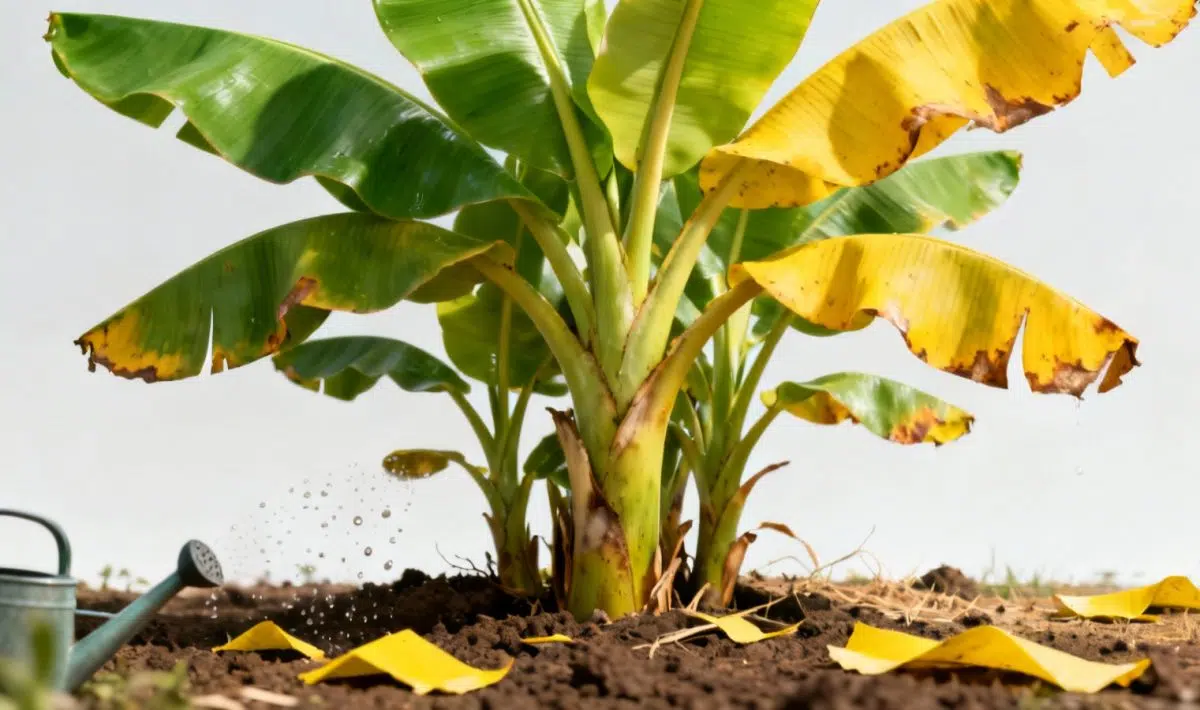
Nothing’s more frustrating than watching your beautiful banana plant’s leaves slowly turn from vibrant green to yellow. You’ve been caring for your tropical friend, but those leaves keep changing color despite your best efforts. Don’t worry though – yellowing banana leaves are actually quite common, and most of the time, it’s totally fixable once you understand what’s going on.
The truth is, bananas are sensitive plants that communicate through their leaves. When something’s not quite right with their growing conditions, those gorgeous green leaves are the first to show signs of stress. Let’s dive into what might be causing this issue and how you can get your plant back to its healthy, green glory.
Common causes of yellowing banana leaves
Your banana plant can turn yellow for several reasons, and identifying the right cause is crucial for effective treatment. Most issues stem from environmental factors that are relatively easy to address once you know what to look for.
Environmental factors affecting leaf health
Temperature fluctuations can seriously stress your banana plant, causing leaves to yellow prematurely. These tropical beauties thrive in consistent warmth between 75-85°F during the day and shouldn’t drop below 60°F at night. When temperatures swing wildly, the plant can’t maintain proper cellular function, leading to that telltale yellowing.
Light exposure plays an equally important role in maintaining healthy green foliage. Banana plants need at least 6-8 hours of bright, indirect sunlight daily. Too little light forces the plant to shed older leaves to conserve energy, while too much direct sun can actually scorch the leaves, causing them to yellow and brown at the edges.
✅ Quick Checklist
- Is the soil too wet or too dry?
- Is the plant getting 6+ hours of sunlight daily?
- Have you fertilized in the last 2 months?
- Are there visible pests under the leaves?
- Does the pot have adequate drainage?
Diagnose your plant in one click!
AI instant diagnosis • Personalized solutions • 50,000+ species
Diseases and pests affecting banana plants
Fungal infections often target banana plants, especially when humidity levels are high and air circulation is poor. Root rot, caused by overwatering and poor drainage, can cause leaves to yellow from the bottom up as the plant struggles to absorb nutrients through damaged roots. Similarly to issues with yellow peppermint leaves, improper watering often triggers these problems.
Spider mites and aphids love to feast on banana leaves, sucking out essential nutrients and leaving behind yellowing, stippled foliage. These tiny pests often hide on the undersides of leaves, so regular inspection is crucial for early detection and treatment.
Watering impacts on banana leaf health
Getting the watering just right is probably the trickiest part of banana plant care. These plants want consistent moisture but absolutely hate sitting in waterlogged soil. Finding that sweet spot takes some practice and attention to your specific growing conditions.
Overwatering and root problems
When you water too frequently or use containers without proper drainage, the roots can’t breathe properly. This leads to root rot, where the plant can no longer absorb the nutrients it needs from the soil. The first sign is usually yellowing leaves that start from the bottom of the plant and work their way up.
Check your soil moisture by sticking your finger about 2 inches down. If it’s still soggy from the last watering, hold off for a few days. Your banana plant will thank you for letting those roots dry out a bit between waterings.
Underwatering and stress responses
On the flip side, banana plants that don’t get enough water will also show yellowing leaves as they try to conserve moisture. The plant essentially sacrifices older leaves to keep the newer growth alive. You’ll notice the soil pulling away from the pot edges and becoming rock-hard when it’s too dry.
Water deeply when the top inch of soil feels dry, making sure water flows out the drainage holes. This encourages deep root growth and helps prevent both over and underwatering issues.
Essential nutrients for green banana leaves
Just like us, banana plants need a balanced diet to stay healthy. When they’re missing key nutrients, those leaves will start yellowing as a cry for help. The good news is that most nutrient deficiencies are easy to fix once you know what’s missing.
Nitrogen deficiency effects
Nitrogen is absolutely crucial for leaf development and that gorgeous green color we all love. When your banana plant isn’t getting enough nitrogen, you’ll see yellowing start with the older, lower leaves first. The plant redirects whatever nitrogen it has to the newer growth, leaving those older leaves to fade.
A balanced fertilizer with a higher nitrogen content (like 10-5-5) applied monthly during growing season can work wonders. Just be careful not to overdo it – too much nitrogen can actually prevent fruit development if you’re hoping for edible bananas down the line.
Other critical nutrients
Potassium deficiency shows up as yellowing leaf edges that eventually turn brown and crispy. This mineral is essential for water regulation and overall plant health. Magnesium deficiency causes yellowing between the leaf veins while keeping the veins themselves green – it’s pretty distinctive once you know what to look for.
Iron deficiency is another common culprit, especially in alkaline soils where the plant can’t absorb this crucial nutrient properly. The newest leaves will yellow while older ones stay green, which is the opposite pattern from nitrogen deficiency. Much like reasons for yellowing pomegranate leaves, nutrient imbalances often manifest through leaf discoloration.
Optimal growing conditions for healthy banana plants
Creating the right environment for your banana plant isn’t rocket science, but it does require attention to a few key factors. These tropical natives have specific needs that, when met, will keep those leaves beautifully green and healthy.
Temperature and humidity requirements
Banana plants absolutely thrive in warm, humid conditions that mimic their native tropical habitat. Maintaining humidity levels between 50-70% helps prevent leaf yellowing caused by dry air stress. You can boost humidity by grouping plants together, using a humidifier, or placing water-filled saucers near your plant.
Consistent temperatures are just as important as the right range. Avoid placing your banana plant near heating vents, air conditioners, or drafty windows where temperature swings can shock the system and trigger leaf yellowing.
✅ Quick Checklist
- Is the soil too wet or too dry?
- Is the plant getting 6+ hours of sunlight daily?
- Have you fertilized in the last 2 months?
- Are there visible pests under the leaves?
- Does the pot have adequate drainage?
Diagnose your plant in one click!
AI instant diagnosis • Personalized solutions • 50,000+ species
Choosing the right banana variety
Not all banana varieties adapt equally well to indoor growing conditions. Dwarf varieties like ‘Super Dwarf Cavendish’ or ‘Dwarf Red’ are much more forgiving and less likely to develop yellowing leaves from environmental stress. These compact plants can better handle the limitations of container growing.
If you’re growing bananas primarily for their edible fruit, remember that millions of gardeners have found success with dwarf varieties that fruit reliably indoors. These plants tend to be more resilient and show fewer stress symptoms when growing conditions aren’t absolutely perfect.
Quick solutions to restore green leaves
Once you’ve identified what’s causing your banana leaves to yellow, taking action quickly can often reverse the problem and prevent further damage. Here’s your action plan for getting those leaves back to their healthy green state.
Start by adjusting your watering schedule based on what you’ve observed. If the soil stays wet for days, reduce watering frequency and improve drainage by adding perlite to your potting mix. For dry conditions, water more consistently but always check soil moisture first.
Feed your plant with a balanced fertilizer every 4-6 weeks during the growing season, focusing on formulations with adequate nitrogen for leaf health. Remove any severely yellowed leaves by cutting them cleanly at the base – they won’t recover and only drain energy from the plant.
Monitor your plant closely for the next few weeks after making changes. New growth should emerge bright green and healthy, while existing yellow leaves may continue to decline. That’s totally normal – focus on preventing new yellowing rather than trying to reverse leaves that are already damaged.
Remember, growing healthy banana plants takes patience and observation. Each plant develops its own rhythm and preferences based on your specific growing conditions. With consistent care and attention to these key factors, you’ll soon have a thriving banana plant with gorgeous, green leaves that stays healthy year-round.

Allan is a lifelong gardening enthusiast who still gets excited when the first seedlings pop up in spring. With a deep love for nature and a hands-in-the-soil approach, he shares practical tips, plant discoveries, and clever tricks picked up over years of digging, planting, and observing. Whether you’re a new gardener or have a shed full of tools, Allan writes like a neighbor who’s always happy to swap cuttings and stories over the fence.
You can find more about Allan’s work on Malt or connect with him on LinkedIn.


