Why are my peppermint leaves turning yellow – Mediterranean gardening solutions
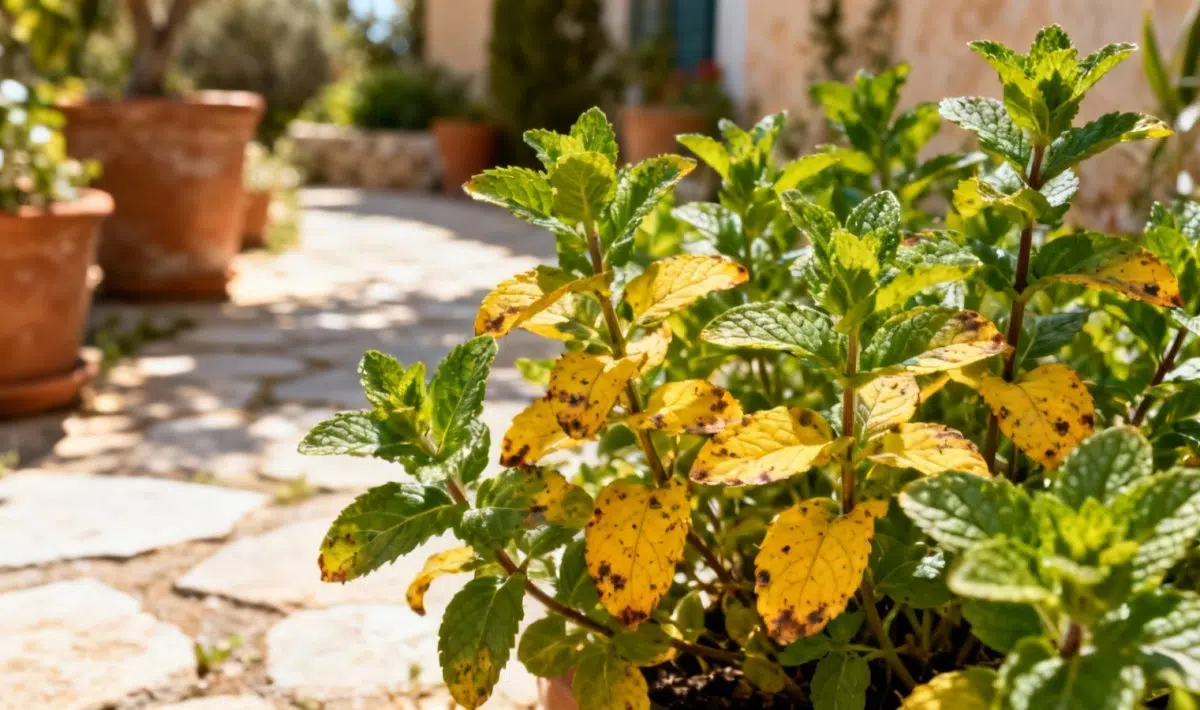
Nothing’s more frustrating than watching your beautiful peppermint plant develop those telltale yellow leaves. You’re not alone in this struggle, and the good news is that yellowing leaves are usually a sign your plant is trying to tell you something specific about its care needs. Understanding these signals can help you restore your mint to its vibrant green glory.
Peppermint yellowing typically stems from a handful of common issues that are easily addressable once you know what to look for. From watering problems to nutrient deficiencies, each cause has its own set of solutions that can get your herb garden back on track.
Understanding the main causes of yellow peppermint leaves
The most frequent culprit behind yellowing peppermint is improper watering, but several other factors can contribute to this problem. Environmental stress, nutrient imbalances, and pest issues all play a role in plant health. Identifying the root cause requires a careful examination of your plant’s growing conditions.
Overwatering ranks as the number one reason for yellow leaves in mint plants. When roots sit in waterlogged soil, they can’t absorb oxygen properly, leading to root rot and subsequently yellowing foliage. However, underwatering can also cause similar symptoms, making proper diagnosis essential for effective treatment.
✅ Quick Checklist
Is the soil too wet or too dry?
Is the plant getting 6+ hours of sunlight daily?
Have you fertilized in the last 2 months?
Are there visible pests under the leaves?
Does the pot have adequate drainage?
🔥 FREE
📱
Diagnose your plant in one click!
AI instant diagnosis • Personalized solutions • 50,000+ species
Light conditions significantly impact your peppermint’s ability to maintain healthy green foliage. While mint can tolerate some shade, insufficient sunlight weakens the plant and makes it more susceptible to yellowing. Aim for at least six hours of sunlight daily, though in very hot climates, some afternoon shade can be beneficial.
Temperature fluctuations and extreme weather conditions also stress mint plants, leading to yellow leaves. Cold snaps, excessive heat, or sudden temperature changes can trigger this response. In Mediterranean gardens, the intense summer sun can sometimes be too much for mint, especially if the soil dries out quickly.
Water management and soil drainage essentials
Proper watering technique involves checking soil moisture before adding water. The top inch of soil should feel slightly dry before you water again, but the soil should never become bone dry. When you do water, do it thoroughly until water drains from the bottom of the pot or penetrates deeply into garden soil.
Drainage plays a crucial role in preventing waterlogged conditions that lead to yellowing. If you’re growing mint in containers, ensure they have drainage holes and use a well-draining potting mix. For garden plantings, consider adding compost or perlite to heavy clay soils to improve drainage.
Similar issues affect other plants in the garden, and understanding these patterns can help you better care for all your herbs. For example, causes of yellowing pomegranate leaves often involve comparable watering and drainage concerns that gardeners face across different plant species.
Signs of watering problems
Overwatered peppermint displays several warning signs beyond yellow leaves. The soil will feel consistently soggy, and you might notice a musty smell indicating root rot. Leaves may also feel soft and mushy rather than crisp and firm.
Underwatered mint presents differently, with leaves that yellow from the bottom up and feel dry and papery. The soil will be hard and may pull away from container edges. Both conditions require immediate attention to prevent permanent damage to your plant.
Nutrition and fertilizer considerations
Nutrient deficiencies commonly cause yellowing in mint plants, with nitrogen deficiency being the most frequent issue. When plants lack adequate nitrogen, older leaves yellow first as the plant redirects nutrients to newer growth. This natural process becomes problematic when it affects too many leaves at once.
Iron deficiency presents as yellowing between leaf veins while the veins themselves remain green, creating a distinctive pattern. This often occurs in alkaline soils where iron becomes unavailable to the plant, even when present in adequate quantities.
Over-fertilization can be just as problematic as under-fertilization. Too much nitrogen can actually burn plant roots and cause yellowing, while excessive phosphorus can interfere with other nutrient uptake. The key is finding the right balance for your specific growing conditions.
Creating a proper feeding schedule
Feed your peppermint with a balanced, diluted fertilizer every 4-6 weeks during the growing season. A 10-10-10 fertilizer diluted to half strength works well for most mint varieties. Avoid fertilizing during winter months when growth naturally slows down.
Organic options like compost tea or fish emulsion provide gentle, slow-release nutrition that’s less likely to burn plants. These organic fertilizers also improve soil structure and support beneficial microorganisms that help plants absorb nutrients more effectively.
Pest and disease management strategies
Several pests can cause yellowing in peppermint plants, with spider mites and aphids being the most common culprits. These tiny insects feed on plant sap, weakening the plant and causing leaves to yellow and eventually drop. Regular inspection of leaf undersides can help catch infestations early.
Fungal diseases like powdery mildew and rust also contribute to yellowing leaves. These conditions thrive in humid environments with poor air circulation. Ensuring adequate spacing between plants and avoiding overhead watering can help prevent many fungal issues.
Just as reasons for yellowing cow parsnip leaves often include pest and disease factors, mint plants benefit from similar preventive care approaches that address these common garden challenges.
✅ Quick Checklist
Is the soil too wet or too dry?
Is the plant getting 6+ hours of sunlight daily?
Have you fertilized in the last 2 months?
Are there visible pests under the leaves?
Does the pot have adequate drainage?
🔥 FREE
📱
Diagnose your plant in one click!
AI instant diagnosis • Personalized solutions • 50,000+ species
Neem oil serves as an excellent organic treatment for both pests and fungal issues. Apply it in the early morning or evening to avoid leaf burn, and always test on a small area first. Insecticidal soap also works well for soft-bodied insects like aphids without harming beneficial insects.
Improving air circulation around your plants helps prevent many disease issues. Pruning overcrowded stems and ensuring proper plant spacing allows air to flow freely, reducing humidity around the foliage that fungi need to thrive.
Prevention and long-term plant health
Establishing good growing practices from the start prevents most yellowing issues. Choose an appropriate location with morning sun and afternoon shade in hot climates. Ensure the soil drains well but retains some moisture, and maintain consistent watering habits.
Regular maintenance keeps your peppermint healthy and productive. Remove yellowing leaves promptly to prevent disease spread and encourage new growth. Pinch flowers to keep the plant focused on leaf production, and harvest regularly to promote bushy growth.
Seasonal care adjustments help your mint thrive year-round. Reduce watering in winter when growth slows, and consider bringing potted plants indoors in cold climates. Spring is the perfect time for dividing overgrown clumps and refreshing the soil.
Creating optimal growing conditions
Soil preparation sets the foundation for healthy mint growth. Mix compost into garden soil or use a quality potting mix for containers. The ideal pH range is 6.0 to 7.0, slightly acidic to neutral, which allows optimal nutrient availability.
Consider the mature size of your mint when planning garden space. Most varieties spread vigorously, so container growing or root barriers help control their expansion while maintaining healthy plants. This controlled environment also makes it easier to monitor and adjust growing conditions as needed.
Allan is a lifelong gardening enthusiast who still gets excited when the first seedlings pop up in spring. With a deep love for nature and a hands-in-the-soil approach, he shares practical tips, plant discoveries, and clever tricks picked up over years of digging, planting, and observing. Whether you’re a new gardener or have a shed full of tools, Allan writes like a neighbor who’s always happy to swap cuttings and stories over the fence.
You can find more about Allan’s work on Malt or connect with him on LinkedIn.