
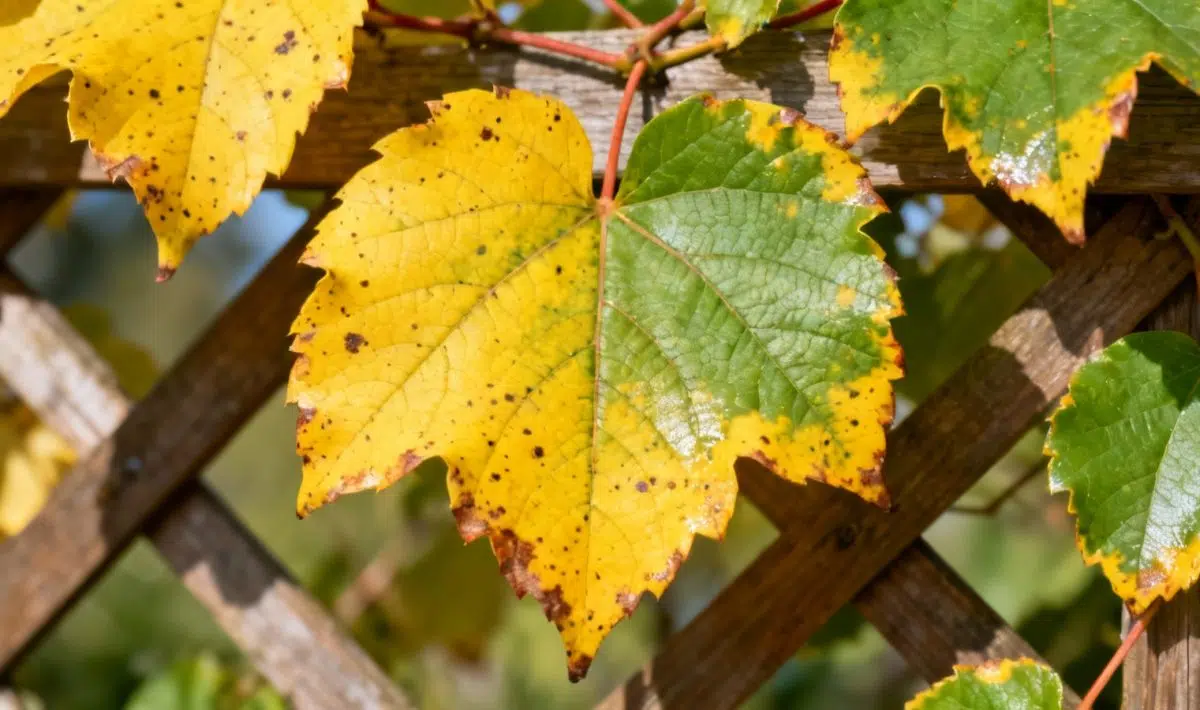
If you’ve noticed your virginia creeper’s vibrant green leaves starting to turn yellow, you’re not alone in this gardening concern. This common issue can be quite frustrating, especially when you’ve been caring for your climbing plant with dedication. The good news is that yellowing leaves are often a sign your plant is trying to communicate its needs, and with the right approach, you can restore its health and beauty.
Virginia creeper, known for its stunning autumn display and vigorous growth, can develop yellow leaves for several reasons. Understanding these causes will help you provide the best care for your garden’s climbing star. Let’s explore what might be happening and how you can address it effectively.
Main causes of yellowing virginia creeper leaves
Several factors can contribute to your virginia creeper’s leaves turning yellow, and identifying the root cause is essential for proper treatment. The most common culprits include nutrient deficiencies, watering issues, and environmental stress. Each of these problems has distinct characteristics that can help you determine which one affects your plant.
Nutrient deficiencies affecting leaf color
When your virginia creeper lacks essential nutrients, the leaves often show the first signs of distress through yellowing. Nitrogen deficiency is particularly common and typically causes older leaves to turn yellow first, starting from the bottom of the plant. This happens because the plant redirects available nitrogen to newer growth, leaving older leaves without adequate nutrition.
Iron deficiency presents differently, with younger leaves turning yellow while the veins remain green, creating a distinctive pattern. This condition, known as chlorosis, often occurs when soil pH is too high, preventing the plant from absorbing iron effectively. Your virginia creeper may struggle with this issue if planted in alkaline soil or if the root system has been damaged.
✅ Quick Checklist
- Is the soil too wet or too dry?
- Is the plant getting 6+ hours of sunlight daily?
- Have you fertilized in the last 2 months?
- Are there visible pests under the leaves?
- Does the pot have adequate drainage?
Diagnose your plant in one click!
AI instant diagnosis • Personalized solutions • 50,000+ species
Water stress and its impact
Both overwatering and underwatering can cause virginia creeper leaves to turn yellow, though they manifest in slightly different ways. Overwatering is more common and leads to root rot, which prevents the plant from absorbing nutrients properly. When roots are waterlogged, they can’t function effectively, and the plant responds by shedding leaves.
Underwatering, on the other hand, causes the plant to conserve resources by dropping older leaves. You’ll notice the soil feels dry several inches down, and the yellowing typically starts with lower leaves. The plant prioritizes newer growth when water is scarce, sacrificing older foliage to survive. Similar issues can affect other plants, as explained in the causes of yellow pomegranate leaves, where water stress plays a significant role.
Environmental stress factors
Virginia creepers are generally hardy plants, but sudden changes in their environment can trigger leaf yellowing. Temperature fluctuations, particularly cold snaps in spring or early fall, can shock the plant and cause leaves to change color prematurely. Similarly, transplant shock often results in yellowing as the plant adjusts to its new location.
Light conditions also play a crucial role in leaf health. While virginia creepers tolerate various light conditions, insufficient sunlight can weaken the plant and lead to pale, yellowing foliage. Conversely, sudden exposure to intense direct sunlight after being in shade can scorch leaves, causing them to yellow and brown.
How to care for your virginia creeper properly
Proper care is essential for preventing yellowing leaves and maintaining a healthy virginia creeper. This involves creating optimal growing conditions that support vigorous growth and natural resilience. The key areas to focus on include soil nutrition, watering practices, and environmental management.
Feeding your plant appropriately
A balanced fertilizer applied in spring can provide your virginia creeper with the nutrients it needs for healthy growth. Choose a general-purpose fertilizer with equal parts nitrogen, phosphorus, and potassium, and apply it according to package directions. Avoid over-fertilizing, as this can cause more harm than good, leading to excessive foliage growth at the expense of root development.
For iron deficiency issues, consider using an iron chelate supplement or an acidifying fertilizer to lower soil pH. You can also add organic matter like compost to improve soil structure and nutrient availability. This approach works well for many climbing plants, as discussed in understanding yellowing cow parsnip leaves, where soil nutrition is equally important.
Mastering watering techniques
Establishing a consistent watering routine is crucial for virginia creeper health. The soil should be kept consistently moist but not waterlogged. A good rule of thumb is to water deeply once or twice a week, depending on weather conditions and soil type. Check soil moisture by inserting your finger about two inches into the ground near the plant’s base.
During hot summer months, you may need to water more frequently, while cooler weather requires less frequent watering. Always water at the base of the plant rather than overhead to prevent fungal issues and ensure water reaches the root zone effectively.
✅ Quick Checklist
- Is the soil too wet or too dry?
- Is the plant getting 6+ hours of sunlight daily?
- Have you fertilized in the last 2 months?
- Are there visible pests under the leaves?
- Does the pot have adequate drainage?
Diagnose your plant in one click!
AI instant diagnosis • Personalized solutions • 50,000+ species
Understanding your virginia creeper’s natural cycle
Sometimes yellowing leaves are simply part of your virginia creeper’s natural life cycle, particularly as autumn approaches. This deciduous vine naturally changes color in fall, with leaves turning brilliant shades of red, orange, and yellow before dropping. Understanding this seasonal pattern helps you distinguish between natural color changes and health issues.
During spring, new growth emerges with fresh green leaves that may appear lighter than mature foliage. This is completely normal and the leaves will darken as they mature throughout the growing season. The plant puts significant energy into producing new growth during this time, which may cause some older leaves to yellow and drop.
Seasonal care adjustments
Your virginia creeper’s needs change throughout the year, and adjusting your care routine accordingly can prevent many yellowing issues. In spring, focus on providing adequate nutrition as new growth begins. Summer care emphasizes consistent watering and monitoring for pest issues that may stress the plant.
As fall approaches, reduce fertilizing and watering frequency as the plant prepares for dormancy. This natural slowdown is healthy and helps the plant conserve energy for winter survival. October typically brings the most dramatic color changes, which is perfectly normal for this spectacular climbing plant.
Long-term health strategies
Maintaining your virginia creeper’s health requires attention to its support structure and growing space. These vigorous climbers need sturdy support and adequate room to spread. Overcrowding can lead to poor air circulation, which increases the risk of fungal problems that cause yellowing leaves.
Regular inspection of your plant helps catch problems early, before they become serious. Look for signs of pest activity, disease symptoms, or environmental stress. Early intervention is always more effective than trying to correct advanced problems. With proper care and attention, your virginia creeper will provide years of beautiful foliage and natural privacy screening for your garden space.

Allan is a lifelong gardening enthusiast who still gets excited when the first seedlings pop up in spring. With a deep love for nature and a hands-in-the-soil approach, he shares practical tips, plant discoveries, and clever tricks picked up over years of digging, planting, and observing. Whether you’re a new gardener or have a shed full of tools, Allan writes like a neighbor who’s always happy to swap cuttings and stories over the fence.
You can find more about Allan’s work on Malt or connect with him on LinkedIn.


