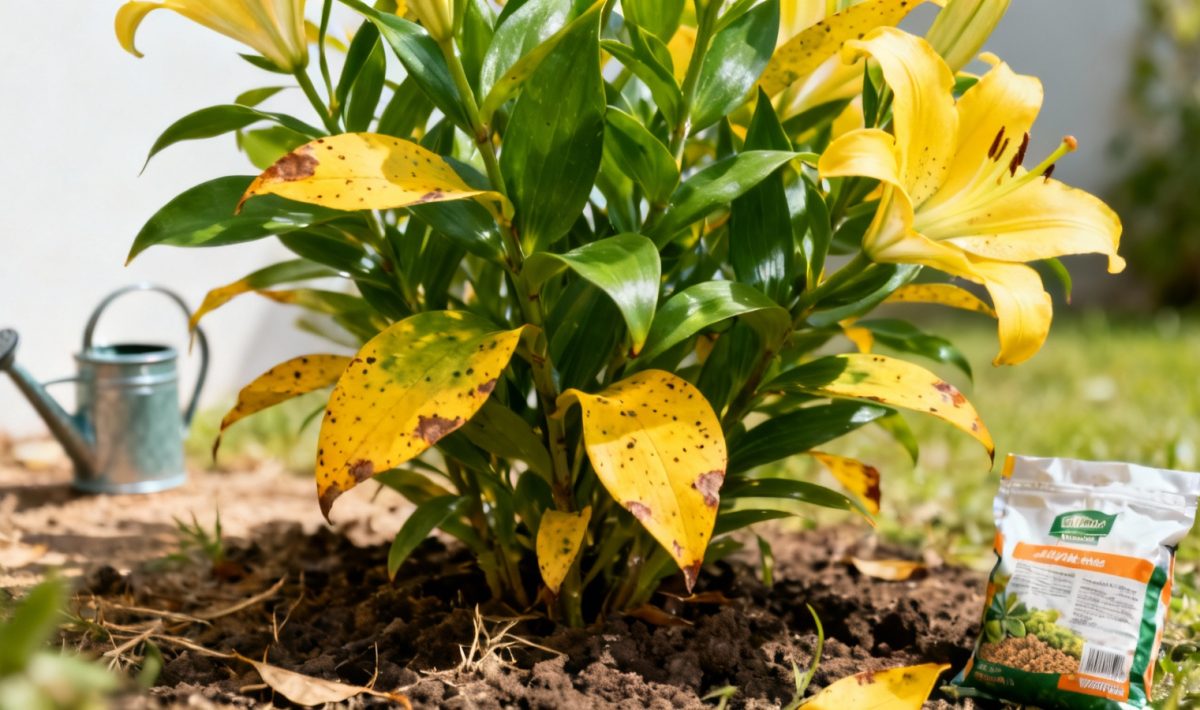
Why are my bush lily leaves turning yellow – causes and solutions
Nothing’s more frustrating than watching your beautiful bush lily’s vibrant green leaves slowly turn yellow. You’ve been caring for your plant with love, yet those golden patches keep spreading, leaving you wondering what went wrong. The good news is that yellowing leaves are often your plant’s way of communicating specific needs, and with the right approach, you can help restore its health.
Several factors can cause your bush lily leaves to turn yellow, ranging from simple watering issues to more complex problems like nutrient deficiencies or diseases. Understanding these causes will help you identify the exact problem and take appropriate action to save your beloved plant.
Improper watering is the most frequent culprit behind yellowing bush lily leaves. Both overwatering and underwatering can stress your plant, but they show different symptoms that will help you diagnose the issue.
Overwatering creates soggy soil conditions that prevent roots from getting oxygen. When this happens, your bush lily’s lower leaves typically turn yellow first, often becoming soft and mushy. The soil stays wet for days, and you might notice a musty smell around the pot. Root rot can develop quickly in these conditions, which can be fatal if not addressed promptly.
On the flip side, underwatering causes leaves to yellow from the tips inward, and they’ll feel dry and crispy rather than soft. The soil pulls away from the container edges, and your plant looks droopy even in the morning hours. Your bush lily will sacrifice older leaves to conserve water for new growth.
✅ Quick Checklist
Is the soil too wet or too dry?
Is the plant getting 6+ hours of sunlight daily?
Have you fertilized in the last 2 months?
Are there visible pests under the leaves?
Does the pot have adequate drainage?
🔥 FREE
📱
Diagnose your plant in one click!
AI instant diagnosis • Personalized solutions • 50,000+ species
Nutrient deficiencies and their yellow leaf symptoms
Your bush lily needs a balanced diet of essential nutrients to maintain healthy green foliage. When certain nutrients become scarce, the plant will redistribute them from older leaves to new growth, causing the older leaves to turn yellow.
Nitrogen deficiency is particularly common and causes uniform yellowing that starts with the oldest leaves at the bottom of the plant. These leaves will eventually drop off completely. Your bush lily might also show stunted growth and pale green new leaves when nitrogen is lacking.
Iron deficiency creates a different pattern called chlorosis, where leaf veins remain green while the tissue between them turns yellow. This typically affects younger leaves first and is more common in alkaline soils or when plants are overwatered. Magnesium deficiency shows similar symptoms but usually starts with older leaves, and the yellowing begins at leaf edges before moving inward.
Light conditions that stress your plant
Bush lilies are quite particular about their lighting needs, and improper light exposure can quickly lead to yellowing leaves. These plants thrive with bright, indirect light for most of the day, but too much direct sunlight or insufficient light will cause problems.
Excessive direct sunlight, especially during hot afternoon hours, can scorch your bush lily’s leaves. The yellowing will appear as bleached or burnt patches, often accompanied by brown spots or crispy edges. Leaves exposed to intense light may also develop a pale, washed-out appearance before turning completely yellow.
Conversely, insufficient light causes a gradual yellowing that starts with lower leaves. Your plant will stretch toward available light sources, becoming leggy and weak. New growth will be pale and spindly, while older leaves yellow and drop as the plant tries to conserve energy.
Disease problems affecting leaf color
Several plant diseases can cause bush lily leaves to turn yellow, and early identification is crucial for successful treatment. Fungal infections are particularly common in humid conditions or when water sits on leaves for extended periods.
Leaf spot diseases create yellow halos around brown or black spots on leaves. These infections spread quickly in wet conditions and can affect multiple leaves simultaneously. Similarly, issues with other plants like burning bush leaf yellowing causes often show comparable patterns of disease progression.
Root rot, caused by various fungal pathogens, affects the entire plant’s health by destroying the root system. Yellow leaves are often the first visible symptom, followed by wilting and eventual plant collapse. The roots will appear black or brown and feel mushy when healthy roots should be firm and white.
Environmental stress factors
Temperature fluctuations, humidity changes, and drafts can all stress your bush lily enough to cause yellowing leaves. These plants prefer stable conditions and don’t adapt well to sudden environmental changes.
Cold drafts from air conditioning units or heating vents can shock your plant, causing rapid yellowing of exposed leaves. Similarly, placing your bush lily near windows during winter months can expose it to cold glass temperatures that stress the foliage.
Low humidity is another common problem, especially in heated homes during winter. When air moisture drops below 40%, your bush lily may respond by yellowing its leaves to reduce water loss through transpiration. Just as yellowing pomegranate leaves solutions often involve adjusting environmental conditions, your bush lily will benefit from increased humidity around its leaves.
Practical solutions for yellow leaves
Once you’ve identified the cause of your bush lily’s yellowing leaves, taking prompt action will help restore your plant’s health. Start by addressing the most obvious problems first, such as adjusting your watering routine or relocating your plant to better lighting conditions.
For watering issues, establish a consistent schedule based on soil moisture rather than calendar dates. Stick your finger two inches into the soil – if it’s dry, it’s time to water thoroughly until excess drains from the bottom holes. Always ensure your pot has adequate drainage to prevent waterlogging.
Nutrient deficiencies respond well to balanced, water-soluble fertilizer applied every two weeks during the growing season. Choose a fertilizer with equal parts nitrogen, phosphorus, and potassium, and dilute it to half the recommended strength to avoid burning the roots.
✅ Quick Checklist
Is the soil too wet or too dry?
Is the plant getting 6+ hours of sunlight daily?
Have you fertilized in the last 2 months?
Are there visible pests under the leaves?
Does the pot have adequate drainage?
🔥 FREE
📱
Diagnose your plant in one click!
AI instant diagnosis • Personalized solutions • 50,000+ species
Preventing yellow leaves is always easier than treating them after they appear. Regular monitoring of your bush lily’s condition will help you catch problems early before they become serious issues.
Inspect your plant weekly for changes in leaf color, checking both the top and bottom surfaces. Look for early signs of pest problems, such as tiny webs, sticky residue, or small insects. Remove any yellow or damaged leaves promptly to prevent the spread of disease and to redirect the plant’s energy toward healthy growth.
Maintain consistent care routines throughout the year, adjusting only for seasonal changes in light and temperature. Your bush lily will reward your attention with vibrant green foliage and healthy growth when its needs are properly met.
Allan is a lifelong gardening enthusiast who still gets excited when the first seedlings pop up in spring. With a deep love for nature and a hands-in-the-soil approach, he shares practical tips, plant discoveries, and clever tricks picked up over years of digging, planting, and observing. Whether you’re a new gardener or have a shed full of tools, Allan writes like a neighbor who’s always happy to swap cuttings and stories over the fence.
You can find more about Allan’s work on Malt or connect with him on LinkedIn.