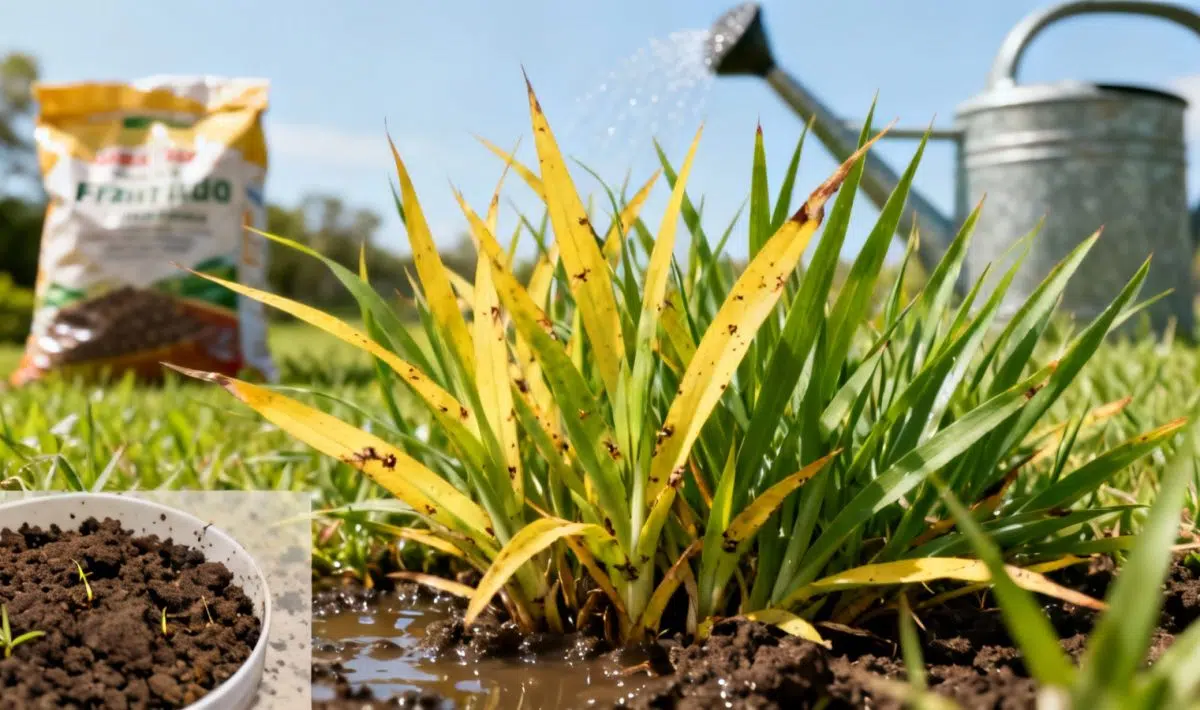
Why are my bermuda grass leaves turning yellow – causes and solutions
Nothing feels more frustrating than watching your beautiful bermuda grass lawn develop yellow patches when it should be lush and green. This warm season grass is typically resilient and thriving, but when those leaves start turning yellow, it’s your lawn’s way of telling you something isn’t quite right. Understanding the root causes can help you restore your grass to its former glory and prevent future issues.
Yellowing bermuda grass leaves can result from several different factors, ranging from simple watering problems to more complex nutrient deficiencies or disease issues. The good news is that most of these problems are entirely fixable once you identify what’s causing them. Let’s dive into the most common culprits and their solutions.
The first thing to check when your bermuda grass leaves are turning yellow is your watering routine and soil drainage. This type of grass has specific moisture requirements that, when not met, can quickly lead to yellowing and stress.
Overwatering is surprisingly one of the most frequent causes of yellow leaves in bermuda grass. When roots sit in waterlogged soil, they can’t access the oxygen they need, leading to root rot and subsequent yellowing of the grass blades. You’ll often notice this problem in low-lying areas of your lawn or spots where water tends to collect after rain.
✅ Quick Checklist
Is the soil too wet or too dry?
Is the plant getting 6+ hours of sunlight daily?
Have you fertilized in the last 2 months?
Are there visible pests under the leaves?
Does the pot have adequate drainage?
🔥 FREE
📱
Diagnose your plant in one click!
AI instant diagnosis • Personalized solutions • 50,000+ species
On the flip side, drought stress can also cause yellowing, though bermuda grass is quite drought-tolerant once established. During extended dry periods, the grass conserves energy by allowing some leaves to turn yellow and die back. Poor drainage compounds both problems – clay soils that don’t drain well can create waterlogged conditions, while sandy soils might drain too quickly.
Nitrogen deficiency and nutrient problems
Nitrogen deficiency is perhaps the most common nutritional cause of yellowing bermuda grass. This essential nutrient is responsible for the rich green color in grass, and when it’s lacking, you’ll notice the older leaves turning yellow first while newer growth may still appear green.
Bermuda grass is a heavy feeder, especially during its active growing season from late spring through early fall. Without adequate nitrogen, the grass can’t produce enough chlorophyll to maintain its vibrant color. You’ll typically see this problem manifest as a general yellowing across the lawn, starting with the oldest leaves.
Other nutrient deficiencies can also contribute to yellowing, though they’re less common. Iron deficiency causes a specific type of yellowing called chlorosis, where leaves turn yellow but veins remain green. Magnesium deficiency typically shows up as yellowing between leaf veins, while potassium deficiency might cause yellowing along leaf margins.
Disease and pest issues
Several fungal diseases can cause yellowing in bermuda grass, particularly during humid conditions or when the grass is stressed. Brown patch, dollar spot, and pythium blight are among the most common culprits that can cause yellowing followed by browning of grass blades.
Fungal diseases often thrive in conditions of high humidity, poor air circulation, and excessive nitrogen application. You might notice circular patches of yellowing grass that gradually expand, sometimes with a darker border around the affected area. These diseases can spread quickly if left untreated.
Insect pests can also cause yellowing, though this is less common with bermuda grass. Grubs feeding on roots can stress the grass and cause yellowing, while chinch bugs or armyworms might create yellowing patterns as they feed on grass blades. The key is to look closely for signs of actual pest presence rather than assuming insects are the problem.
Prevention is always better than treatment when it comes to maintaining healthy bermuda grass. Proper mowing height is crucial – cutting bermuda grass too short can stress it and make it more susceptible to yellowing and other problems. Aim to maintain a height of 1 to 2 inches, never removing more than one-third of the blade length in a single mowing.
Your watering schedule should provide deep, infrequent irrigation rather than frequent shallow watering. Water early in the morning to allow grass blades to dry before evening, reducing the risk of fungal diseases. During the active growing season, bermuda grass typically needs about 1 to 1.5 inches of water per week, including rainfall.
✅ Quick Checklist
Is the soil too wet or too dry?
Is the plant getting 6+ hours of sunlight daily?
Have you fertilized in the last 2 months?
Are there visible pests under the leaves?
Does the pot have adequate drainage?
🔥 FREE
📱
Diagnose your plant in one click!
AI instant diagnosis • Personalized solutions • 50,000+ species
Fertilization timing is equally important for maintaining healthy green grass. Apply a balanced fertilizer with adequate nitrogen levels three to four times during the growing season. The first application should occur when soil temperatures reach 65°F consistently, typically in late spring for most regions where bermuda grass thrives.
Treatment and recovery strategies
Once you’ve identified the cause of yellowing, treatment becomes much more straightforward. For nitrogen deficiency, apply a quick-release nitrogen fertilizer to provide immediate greening, followed by a slow-release formula for sustained nutrition. A soil test can help you determine exactly what nutrients your lawn needs.
If drainage is the problem, you might need to aerate your lawn to improve water movement through the soil. Core aeration works particularly well for bermuda grass and can help alleviate both waterlogged and compacted soil conditions. Consider adding organic matter like compost to improve soil structure over time.
For disease issues, remove affected grass clippings and avoid watering in the evening. Fungicide applications might be necessary for severe cases, but improving air circulation and reducing excess moisture often resolves minor fungal problems naturally. Remember that healthy, well-fed grass is naturally more resistant to diseases.
Recovery time depends on the severity of the problem and the growing conditions. During the active growing season, bermuda grass can recover from yellowing relatively quickly – often within 2 to 4 weeks with proper treatment. However, patience is key, especially if the yellowing occurred during dormant periods when growth is naturally slower.
The most important thing to remember is that yellowing bermuda grass leaves are usually a temporary problem with straightforward solutions. By addressing the underlying cause – whether it’s moisture, nutrients, diseases, or maintenance issues – you can restore your lawn to the lush, green carpet you’re aiming for. Regular monitoring and consistent care practices will help prevent future yellowing episodes and keep your bermuda grass looking its best throughout the growing season.
Allan is a lifelong gardening enthusiast who still gets excited when the first seedlings pop up in spring. With a deep love for nature and a hands-in-the-soil approach, he shares practical tips, plant discoveries, and clever tricks picked up over years of digging, planting, and observing. Whether you’re a new gardener or have a shed full of tools, Allan writes like a neighbor who’s always happy to swap cuttings and stories over the fence.
You can find more about Allan’s work on Malt or connect with him on LinkedIn.