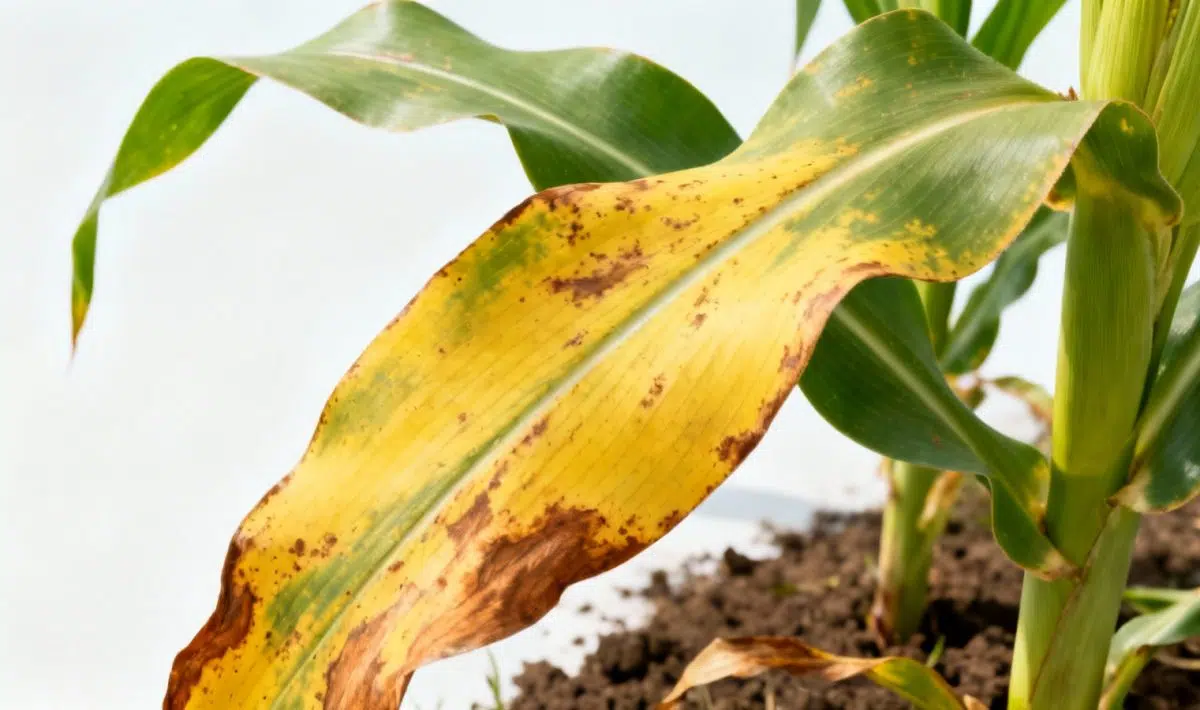
Understanding why are my maize leaves turning yellow
When you notice your maize leaves developing yellow patches or losing their vibrant green color, it’s natural to feel concerned about your crop’s health. This yellowing, known scientifically as chlorosis, can signal various underlying issues that require immediate attention. Understanding the root causes helps you take swift action to protect your plant investment and ensure a successful harvest.
Yellowing leaves in maize crops can stem from multiple factors, ranging from fungal diseases to nutritional deficiencies. Each cause presents distinct symptoms that experienced farmers learn to recognize quickly. The key lies in careful observation and systematic diagnosis to determine the exact problem affecting your plants.
Common diseases causing leaf yellowing
Several plant diseases can trigger yellowing in maize leaves, with some being more prevalent than others. Northern corn leaf blight, caused by the fungus Exserohilum turcicum, creates distinctive cigar-shaped lesions that start gray-green before turning yellow and brown. This disease thrives in humid conditions and can spread rapidly across your fields.
Gray leaf spot represents another serious threat to maize crops. This fungal disease produces rectangular lesions between leaf veins, initially appearing as small yellow spots. As the disease progresses, these spots expand and develop the characteristic gray center with yellow margins. Various environmental factors influence the severity of these diseases, making early detection crucial for effective management.
✅ Quick Checklist
Is the soil too wet or too dry?
Is the plant getting 6+ hours of sunlight daily?
Have you fertilized in the last 2 months?
Are there visible pests under the leaves?
Does the pot have adequate drainage?
🔥 FREE
📱
Diagnose your plant in one click!
AI instant diagnosis • Personalized solutions • 50,000+ species
Southern corn rust also creates telltale symptoms that farmers should recognize. This disease produces small, circular pustules on both leaf surfaces, starting as yellow spots before developing into orange-brown raised bumps. The causal organism spreads through wind-carried spores, making prevention challenging but not impossible.
Identifying disease symptoms accurately
Proper disease identification requires examining multiple plant parts and documenting symptom progression. Start by checking the leaf surface for unusual spots, lesions, or discoloration patterns. Many diseases create specific shapes or colors that help distinguish one pathogen from another.
Look for additional clues like spore masses, which appear as fuzzy growths on infected leaves. These structures often have distinctive colors – gray, brown, orange, or black – that provide valuable diagnostic information. Document your observations with photos and notes, as this information proves invaluable when consulting with agricultural extension specialists.
Environmental factors affecting leaf color
Beyond diseases, several environmental conditions can cause maize leaves to turn yellow. Nutrient deficiencies represent one of the most common non-pathological causes of chlorosis. Nitrogen deficiency typically starts with older leaves turning yellow while newer growth remains green.
Potassium deficiency creates different symptoms, with leaf margins turning yellow first before progressing inward. Iron deficiency causes younger leaves to yellow while veins remain green, creating a distinctive interveinal chlorosis pattern. Each nutrient deficiency has unique characteristics that help identify the specific problem.
Water stress, whether from drought or excessive moisture, can also trigger yellowing. Plants experiencing water stress often develop yellow leaves as they redirect resources to survival. Poor drainage creates similar symptoms as roots struggle with oxygen deprivation. Just as we’ve seen with reasons for yellowing honeysuckle leaves, multiple plants can show similar stress responses to environmental pressures.
Climate conditions and their impact
Temperature extremes significantly influence maize leaf health and appearance. Cool temperatures slow nutrient uptake, potentially causing temporary yellowing that resolves as conditions improve. Conversely, excessive heat stress can damage chlorophyll molecules, leading to permanent leaf yellowing.
Humidity levels also play a crucial role in plant health. High humidity promotes disease development by creating ideal conditions for fungal growth. Low humidity can stress plants and reduce their natural disease resistance, making them more susceptible to various pathogens.
Effective treatment strategies
Once you’ve identified the cause of yellowing leaves, implementing appropriate treatment becomes the next priority. For fungal diseases, start with cultural practices that reduce disease pressure. Remove infected plant debris from the field, as these materials harbor pathogens that can reinfect healthy plants.
Fungicide applications may be necessary for severe infections, but timing is critical for effectiveness. Apply treatments preventively or at the first sign of symptoms, as fungicides work better against actively growing pathogens than established infections. Choose products specifically labeled for your target disease and follow application instructions carefully.
For nutritional deficiencies, soil testing provides the foundation for effective correction strategies. Apply fertilizers based on test results rather than guessing nutrient needs. Quick-release fertilizers provide rapid correction for severe deficiencies, while slow-release formulations support long-term plant health.
✅ Quick Checklist
Is the soil too wet or too dry?
Is the plant getting 6+ hours of sunlight daily?
Have you fertilized in the last 2 months?
Are there visible pests under the leaves?
Does the pot have adequate drainage?
🔥 FREE
📱
Diagnose your plant in one click!
AI instant diagnosis • Personalized solutions • 50,000+ species
Preventing problems before they develop saves time, money, and crop yield. Start with resistant varieties when available, as these plants have built-in protection against specific diseases. Plant breeders have developed numerous varieties with resistance to common maize pathogens.
Crop rotation disrupts disease cycles by removing host plants from the environment. Rotate maize with non-host crops like soybeans or wheat to reduce pathogen populations in the soil. This practice proves especially effective against soil-borne diseases that persist between growing seasons.
Similar to how gardeners address solutions for yellowing pomegranate leaves, comprehensive care includes proper nutrition, water management, and disease monitoring. Maintain optimal plant spacing to improve air circulation and reduce humidity around plants. Dense plantings create microclimates that favor disease development.
Monitoring and early detection
Regular field monitoring allows you to catch problems before they become severe. Schedule weekly walks through your fields during the growing season, paying special attention to areas with previous disease problems. Look for changes in leaf color, unusual spots, or other symptoms that might indicate developing issues.
Keep detailed records of your observations, including photos and weather conditions when symptoms appear. This information helps identify patterns and improve your management strategies for future seasons. Many successful farmers use smartphone apps to document and track field conditions throughout the growing season.
Remember that early intervention typically provides better results than waiting until problems become obvious. When you notice the first signs of yellowing or other concerning symptoms, take action quickly. Whether the problem requires fungicide treatment, nutritional correction, or cultural practices, prompt response improves your chances of maintaining healthy crops and maximizing yields.
Allan is a lifelong gardening enthusiast who still gets excited when the first seedlings pop up in spring. With a deep love for nature and a hands-in-the-soil approach, he shares practical tips, plant discoveries, and clever tricks picked up over years of digging, planting, and observing. Whether you’re a new gardener or have a shed full of tools, Allan writes like a neighbor who’s always happy to swap cuttings and stories over the fence.
You can find more about Allan’s work on Malt or connect with him on LinkedIn.