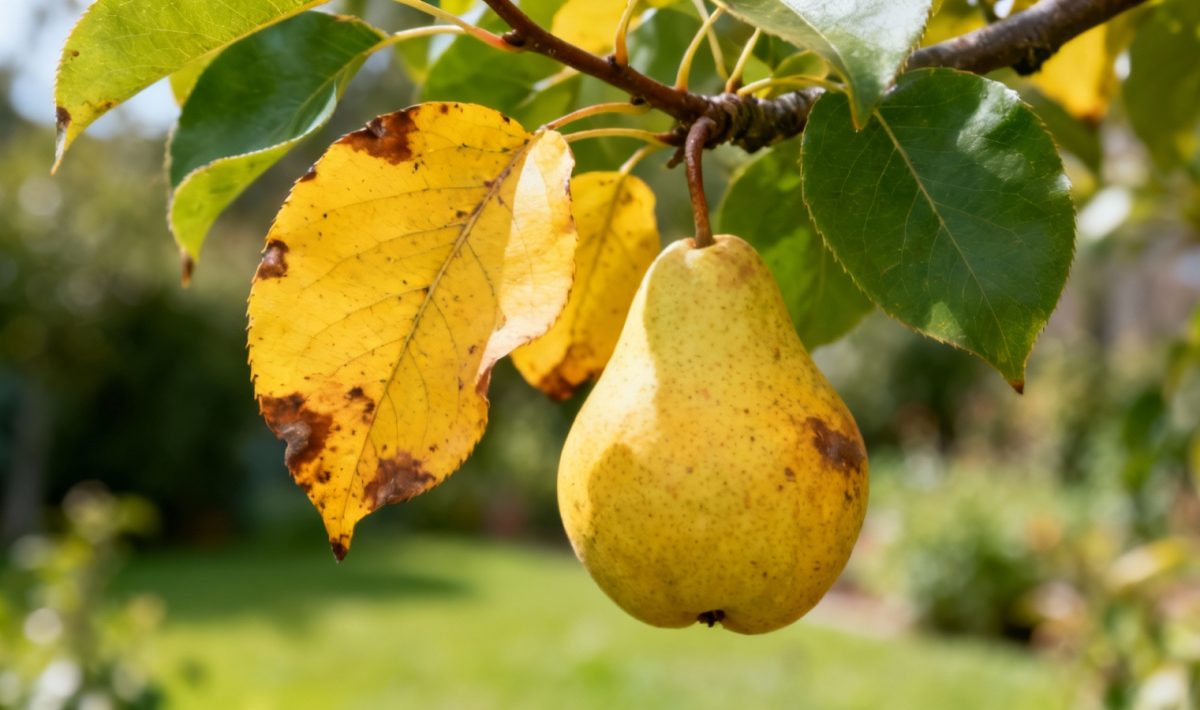
Why are my common pear leaves turning yellow – identifying causes and effective solutions
When you notice your pear tree’s leaves turning yellow, it can be concerning. This common issue affects many gardeners who are passionate about growing healthy fruit trees in their gardens. Understanding the underlying causes is essential for maintaining vibrant, productive pear trees that will provide delicious fruits for years to come.
Yellow leaves on pear trees are often a sign that something needs attention. Whether you’re dealing with nutritional imbalances, environmental stress, or disease issues, identifying the root cause is the first step toward restoring your tree’s health. Let’s explore the most common reasons why pear leaves turn yellow and what you can do about it.
Several factors can cause pear tree leaves to turn yellow, and understanding these will help you diagnose your specific situation. The most frequent culprits include nutritional deficiencies, watering issues, diseases, and environmental stress factors that affect the overall health of your fruit trees.
Nutritional deficiencies affecting leaf color
Nitrogen deficiency is one of the primary reasons pear leaves turn yellow. When trees lack adequate nitrogen, the older leaves begin yellowing first, starting from the bottom of the tree and working upward. This nutrient is essential for chlorophyll production, which gives leaves their green color and enables photosynthesis.
Iron deficiency, also known as iron chlorosis, causes yellowing between leaf veins while the veins themselves remain green. This creates a distinctive pattern that makes iron deficiency relatively easy to identify. Poor soil drainage or alkaline soil conditions often contribute to iron availability issues.
Magnesium deficiency typically shows up as yellowing around leaf edges, with green areas remaining in the center. This pattern helps distinguish magnesium deficiency from other nutritional issues that might affect your pear trees.
✅ Quick Checklist
Is the soil too wet or too dry?
Is the plant getting 6+ hours of sunlight daily?
Have you fertilized in the last 2 months?
Are there visible pests under the leaves?
Does the pot have adequate drainage?
🔥 FREE
📱
Diagnose your plant in one click!
AI instant diagnosis • Personalized solutions • 50,000+ species
Overwatering is surprisingly common and can lead to yellowing leaves on pear trees. When soil remains waterlogged, roots cannot access oxygen properly, which affects nutrient uptake and causes leaves to turn yellow. This condition often starts with lower leaves and progresses upward if not addressed.
Conversely, underwatering stress also causes yellowing, but it typically affects the entire tree more uniformly. During drought conditions, pear trees may shed older leaves as a survival mechanism, conserving water for new growth and fruit development.
Inconsistent watering patterns can stress trees significantly. When trees experience alternating periods of drought and flooding, they struggle to maintain healthy root systems, which directly impacts leaf color and overall vitality.
Disease issues affecting pear trees
Fire blight is a serious bacterial disease that can cause sudden yellowing and browning of pear tree leaves. This disease spreads rapidly during warm, humid conditions and requires immediate attention to prevent tree death. Affected branches often appear burnt, which gives the disease its name.
Pear scab, caused by fungal infections, creates dark spots on leaves that eventually turn yellow around the affected areas. This disease thrives in wet conditions and can significantly impact both leaf health and fruit quality if left untreated.
Root rot diseases, often caused by various soil-borne fungi, attack the root system and prevent proper nutrient uptake. When roots are damaged, the first visible symptom is often yellowing leaves, starting with older foliage and progressing throughout the tree.
Effective solutions for yellowing pear leaves
Once you’ve identified the likely cause of yellowing leaves on your pear tree, implementing the right solution becomes much easier. Most issues can be resolved with proper care and attention, though some may require more time to fully correct.
Addressing nutritional deficiencies
For nitrogen deficiency, apply a balanced fertilizer containing nitrogen in early spring before new growth begins. Organic options like compost or well-aged manure provide slow-release nutrients that feed the tree over several months without causing nutrient burn.
Iron deficiency requires different approaches depending on your soil conditions. In alkaline soils, applying iron chelate products can help make iron more available to tree roots. Additionally, improving soil drainage and adding organic matter can help address underlying soil chemistry issues.
Magnesium deficiency responds well to Epsom salt applications. Mix one tablespoon of Epsom salt per gallon of water and apply around the tree’s root zone monthly during the growing season. This provides readily available magnesium that trees can absorb quickly.
Correcting watering practices
Establish a consistent watering schedule based on your local climate and soil conditions. Deep, infrequent watering encourages strong root development, while frequent shallow watering creates weak, surface root systems that are more susceptible to stress.
Install proper drainage if your soil tends to retain too much water. Adding organic matter like compost can improve both drainage in heavy soils and water retention in sandy soils, creating optimal growing conditions for your pear trees.
Mulching around the base of your pear tree helps maintain consistent soil moisture levels while suppressing weeds that compete for nutrients and water. Apply a 3-4 inch layer of organic mulch, keeping it several inches away from the trunk to prevent pest and disease issues.
Disease prevention and treatment
For bacterial diseases like fire blight, remove affected branches immediately, cutting at least 12 inches below visible symptoms. Sterilize pruning tools between cuts to prevent spreading the bacteria to healthy parts of the tree.
Fungal diseases often require both treatment and prevention strategies. Copper-based fungicides can help control existing infections, while improving air circulation through proper pruning reduces conditions that favor fungal growth.
Soil-borne diseases are best prevented by ensuring good drainage and avoiding overwatering. If root rot is suspected, carefully excavate around the base of the tree to inspect roots, removing any that are dark, mushy, or have an unpleasant odor.
✅ Quick Checklist
Is the soil too wet or too dry?
Is the plant getting 6+ hours of sunlight daily?
Have you fertilized in the last 2 months?
Are there visible pests under the leaves?
Does the pot have adequate drainage?
🔥 FREE
📱
Diagnose your plant in one click!
AI instant diagnosis • Personalized solutions • 50,000+ species
Maintaining healthy pear trees requires consistent care and attention throughout the growing season. Many problems can be prevented with good cultural practices that support strong, resilient trees capable of resisting diseases and environmental stresses.
Regular soil testing helps you understand your garden’s specific needs and allows you to address nutritional issues before they become visible problems. Most extension services offer soil testing, which provides detailed information about pH levels, nutrient availability, and organic matter content.
Proper site selection plays a crucial role in tree health. Pear trees thrive in locations with good air circulation, adequate sunlight, and well-draining soil. Avoid low-lying areas where cold air and moisture tend to collect, as these conditions favor disease development.
Similar yellowing issues can affect other trees in your garden, such as those discussed in our article about causes of yellowing hawthorn leaves. Understanding common patterns across different species helps you become a better gardener overall.
Seasonal care considerations
Spring care focuses on nutrition and disease prevention. Apply balanced fertilizer before buds break, and consider preventive fungicide applications if your area experiences frequent spring rains that promote fungal diseases.
Summer maintenance includes consistent watering during dry periods and monitoring for pest issues that can stress trees and make them more susceptible to diseases. Remove water sprouts and suckers that compete for nutrients with fruit-bearing branches.
Fall preparation involves cleaning up fallen leaves and fruit, which can harbor disease organisms over winter. Apply a layer of fresh mulch and consider dormant oil applications to control overwintering pests.
For gardeners dealing with lawn issues alongside tree problems, understanding solutions for yellowing white clover can help maintain a healthy overall landscape ecosystem.
Creating optimal growing conditions
Soil improvement is an ongoing process that benefits all plants in your garden. Adding organic compost annually improves soil structure, provides slow-release nutrients, and supports beneficial microorganisms that help trees absorb nutrients more effectively.
Companion planting can support pear tree health by attracting beneficial insects and improving soil conditions. Plants like chives, garlic, and marigolds can help deter pests, while nitrogen-fixing plants like clover can improve soil fertility naturally.
Regular pruning maintains good air circulation through the tree canopy, reducing disease pressure and allowing better light penetration. Prune during dormant seasons to minimize stress and avoid spreading diseases that are active during warm weather.
By understanding why pear leaves turn yellow and implementing appropriate solutions, you can maintain healthy, productive trees that will provide beautiful flowers in spring and delicious fruits throughout the harvest season. Remember that most yellowing issues are correctable with proper diagnosis and consistent care.
Allan is a lifelong gardening enthusiast who still gets excited when the first seedlings pop up in spring. With a deep love for nature and a hands-in-the-soil approach, he shares practical tips, plant discoveries, and clever tricks picked up over years of digging, planting, and observing. Whether you’re a new gardener or have a shed full of tools, Allan writes like a neighbor who’s always happy to swap cuttings and stories over the fence.
You can find more about Allan’s work on Malt or connect with him on LinkedIn.