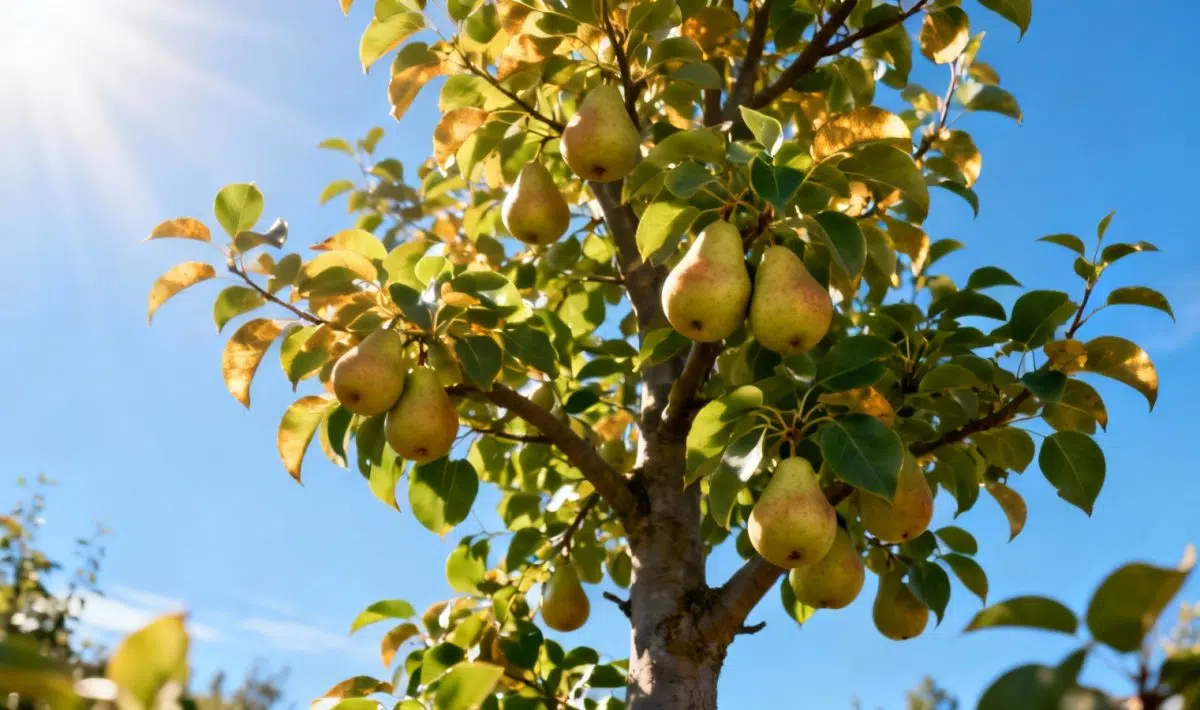
How much sunlight does common pear need for optimal growth and fruit production
Growing healthy pear trees starts with understanding their fundamental needs, particularly when it comes to sunlight exposure. Common pear trees, scientifically known as Pyrus communis, are among the most rewarding fruit trees you can plant in your garden, but they have specific light requirements that directly impact their growth and fruit production.
The common pear requires a minimum of 6 to 8 hours of direct sunlight daily for optimal development. This substantial light exposure ensures proper photosynthesis, healthy growth patterns, and abundant fruit production. Without adequate sunlight, your pear tree will struggle to reach its full potential, resulting in poor fruit quality and reduced yields.
For the best results, aim for 8 to 10 hours of direct sunlight, particularly during the morning hours when the light is most beneficial. This extended exposure allows the tree to maximize its energy production and develop the sugars that give pears their characteristic sweetness. Similar to how sunlight requirements for common fig trees need substantial light for fruit development, pear trees thrive in full sun conditions.
Understanding the Bartlett variety
The Bartlett pear, one of the most popular varieties, exemplifies the importance of proper sunlight exposure. This premium variety requires full sun to develop its distinctive flavor profile and maintain its reputation as a top-quality fruit. When planting Bartlett pears, choose locations that receive unobstructed sunlight throughout most of the day.
Professional growers often recommend positioning Bartlett pear trees with southern exposure in the northern hemisphere to capture maximum sunlight. This positioning ensures the tree receives consistent light from sunrise to sunset, promoting vigorous growth and exceptional fruit quality.
Consequences of insufficient sunlight
When pear trees don’t receive adequate sunlight, several problematic symptoms become apparent. Growth stagnation is often the first sign, with the tree producing fewer new shoots and showing yellowing leaves. The branches may also exhibit etiolation, becoming unnaturally long and weak as they stretch toward available light sources.
Fruit production suffers dramatically in low-light conditions. The few fruits that do develop tend to be smaller, less flavorful, and may not ripen properly. This is particularly problematic for commercial varieties where fruit quality directly impacts market value. Just as sunlight needs for common bugle affect its overall health, insufficient light severely compromises pear tree vitality.
Soil and planting considerations
While sunlight is crucial, the type of soil you choose also plays a significant role in your pear tree’s success. Well-draining soil with good organic content provides the foundation for healthy root development. The soil should maintain adequate moisture without becoming waterlogged, as excessive moisture can lead to root rot and other fungal issues.
When selecting your planting location, consider both current and future shade patterns. Young trees may initially tolerate some shade, but as they mature, their sunlight requirements become more demanding. Plan for the tree’s full-grown size and ensure nearby structures or other plants won’t eventually block essential sunlight.
Maximizing sunlight exposure for your pear trees
Proper tree placement is essential for capturing optimal sunlight. Choose an open area away from buildings, large trees, or other structures that might cast shadows during peak sunlight hours. The morning sun is particularly valuable, so eastern or southern exposures work best in most climates.
Regular pruning helps maintain good light penetration throughout the tree’s canopy. Remove dead, diseased, or crossing branches annually during the dormant season. This practice not only improves sunlight access but also promotes better air circulation, reducing the risk of fungal diseases that thrive in humid, shaded conditions.
For gardeners with limited space or challenging growing conditions, consider the relationship between different fruit plants and their light needs. Much like blackberry sunlight needs for growth, pear trees benefit from companion planting strategies that don’t compete for essential sunlight.
Seasonal considerations and watering
Throughout the growing season, monitor your tree’s response to changing light patterns. Spring and summer provide the longest days and most intense sunlight, which is when fruit development occurs. During these critical months, ensure consistent watering to support the tree’s increased metabolic activity.
Autumn brings shorter days, but adequate sunlight remains important for leaf function and nutrient storage. Winter dormancy reduces light requirements, but positioning your tree to capture available winter sun helps maintain overall tree health. This seasonal awareness helps you understand why proper initial placement is so crucial for long-term success.
Indoor growing and container cultivation
For those growing pear trees in containers or greenhouse environments, artificial lighting becomes necessary to supplement natural sunlight. LED full-spectrum lights should operate for 10 to 12 hours daily, positioned to provide even coverage across the tree’s canopy.
Container-grown pear trees offer the advantage of mobility, allowing you to move them to capture optimal sunlight throughout the day. However, they also require more careful attention to watering and soil quality, as containers dry out more quickly than ground-planted trees. The relationship between light and water needs is similar to that found in optimal sunlight for growing watermelons, where both factors must be carefully balanced.
Variety selection and climate adaptation
Different pear varieties have slightly varying sunlight tolerances, though all require substantial light for optimal performance. Cold-hardy varieties may be more forgiving of less-than-perfect conditions, but they still benefit from maximum available sunlight. When choosing varieties for your garden, consider both your climate zone and available sunlight hours.
The quality of graines or seeds you start with also affects how well your tree will utilize available sunlight. Premium varieties from reputable sources tend to be more vigorous and better adapted to making the most of their growing conditions. Many gardeners find that investing in high-quality plant material pays dividends in both growth rate and fruit production.
Practical tips for success
Monitor your pear tree regularly for signs of stress or inadequate light exposure. Healthy trees produce vigorous new growth each year and maintain deep green foliage throughout the growing season. If you notice yellowing leaves, sparse growth, or poor fruit development, insufficient sunlight may be the culprit.
Consider the long-term implications of your planting decisions. A location that receives full sun today might become partially shaded as nearby trees grow or new construction occurs. Planning ahead helps ensure your pear tree will continue receiving adequate sunlight for decades to come.
For gardeners dealing with challenging sites, creative solutions like reflective mulches or strategically placed mirrors can help increase available light. While these methods can’t replace direct sunlight entirely, they may provide enough additional light to make the difference between a struggling tree and a thriving one.
Allan is a lifelong gardening enthusiast who still gets excited when the first seedlings pop up in spring. With a deep love for nature and a hands-in-the-soil approach, he shares practical tips, plant discoveries, and clever tricks picked up over years of digging, planting, and observing. Whether you’re a new gardener or have a shed full of tools, Allan writes like a neighbor who’s always happy to swap cuttings and stories over the fence.
You can find more about Allan’s work on Malt or connect with him on LinkedIn.