English walnut sunlight needs: how much light for healthy growth
Growing your own English walnut tree is one of gardening’s most rewarding experiences. But here’s the thing – getting the sunlight requirements right makes all the difference between a thriving tree and one that struggles to produce those delicious nuts we all love.
The English walnut, scientifically known as Juglans regia, is quite particular about its light needs. Understanding these requirements will set you up for success from the very beginning of your walnut-growing journey.
Essential sunlight requirements for English walnut trees
Your English walnut tree absolutely craves sunlight – we’re talking about a minimum of 6 to 8 hours of direct sunlight every single day. This isn’t just a recommendation; it’s a necessity for healthy growth and nut production.
These magnificent trees are what we call “sun-loving” plants, meaning they simply won’t tolerate shaded conditions. Unlike some garden plants that can adapt to partial shade, walnut trees need that full, glorious sunshine to flourish properly.
The quality of sunlight matters just as much as the quantity. Direct sunlight provides the energy your tree needs for photosynthesis, which directly impacts everything from leaf development to nut formation. When choosing your planting location, prioritize spots that receive unobstructed morning and afternoon sun.
Understanding different walnut varieties and their light preferences
While we’re focusing on the English walnut type, it’s worth noting that this Juglans regia species comes in several cultivars. Each variety maintains the same fundamental need for abundant sunlight, though some may show slightly different tolerance levels during their first growing season.
Young walnut plants can tolerate very light shade during their initial establishment phase, but this should only be temporary. As your tree matures, it will require increasingly more direct sunlight to support its expanding canopy and developing root system.
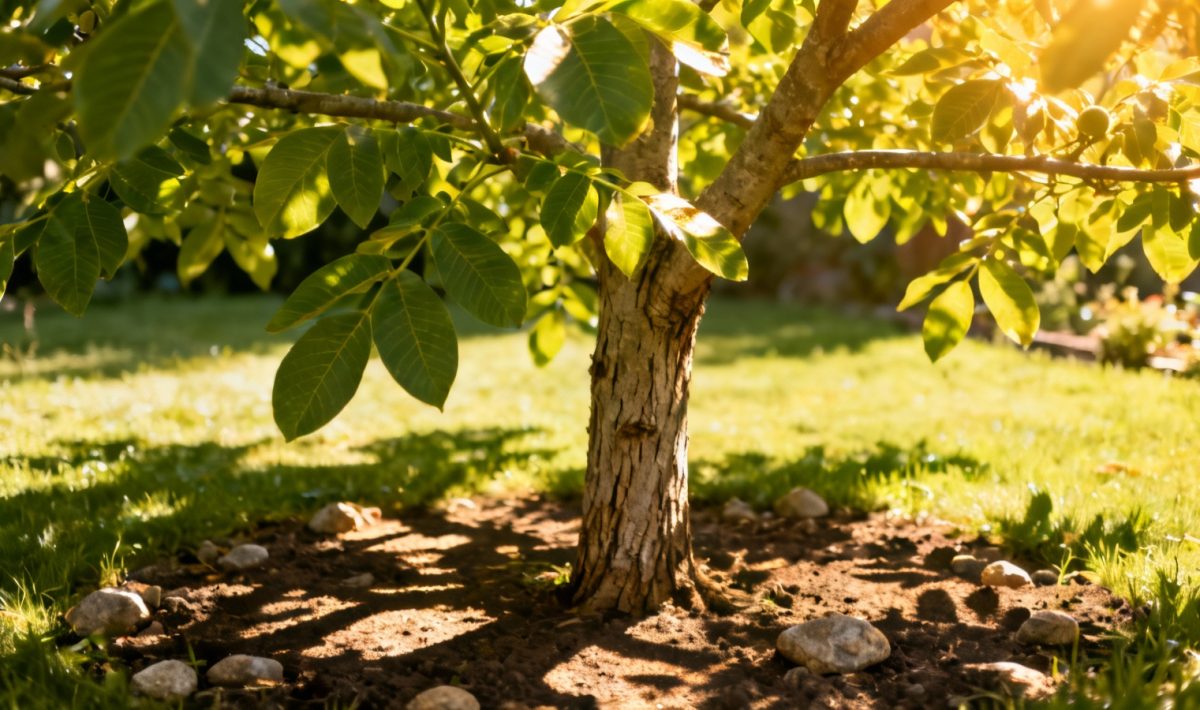
The description of an ideal walnut tree includes strong, well-spaced branches and vibrant green foliage – characteristics that only develop under proper sun exposure. Insufficient light leads to weak, spindly growth that compromises the tree’s long-term health and productivity.
Seasonal variations in sunlight needs
During printemps and early summer, your English walnut tree enters its most active growth phase. This is when sunlight becomes absolutely critical for healthy development. The tree uses this energy to produce new leaves, extend branches, and begin forming the flower clusters that will eventually become nuts.
Winter sunlight, while less intense, still plays an important role in maintaining the tree’s overall health. Even dormant trees benefit from whatever natural light is available during shorter days.
Optimal planting strategies for maximum sun exposure
Choosing the right location for your walnut tree is perhaps the most crucial decision you’ll make. Look for spots that receive morning sun early in the day and continue getting direct light well into the afternoon.
Avoid planting near large buildings, mature trees, or structures that might cast shadows during peak sunlight hours. Remember, your small walnut plant will grow into a substantial arbre over time, so plan for its future size when considering nearby obstacles.
Consider the soil quality in your chosen location as well. Well-draining soil that retains some moisture works best, especially when combined with optimal sunlight conditions. The combination of good soil and proper light exposure creates the foundation for a thriving walnut tree.
Similar to how gardeners consider sunlight requirements for lemon trees, walnut cultivation demands careful attention to light exposure throughout the growing season.
Protecting young trees while ensuring adequate light
Newly planted walnut trees need protection from harsh afternoon sun during their first few weeks, but this doesn’t mean reducing their overall light exposure. Use temporary shade cloth during the hottest part of the day, then remove it to allow maximum light penetration.
Proper watering becomes even more important when trees receive full sun exposure. The combination of adequate moisture and abundant sunlight creates ideal growing conditions, while insufficient water in full sun can stress young plants.
Signs your walnut tree needs more sunlight
Recognizing the symptoms of insufficient light helps you take corrective action before permanent damage occurs. Pale green or yellowing leaves often indicate your tree isn’t receiving enough direct sunlight to maintain healthy photosynthesis.
Slow growth, weak branch development, and poor nut production are other clear indicators that your English walnut needs more sun exposure. These symptoms may develop gradually, so regular observation of your tree’s health is essential.
Stretched, spindly growth patterns suggest your tree is literally reaching for more light. This type of growth creates structural weakness and reduces the tree’s ability to support heavy nut crops in future seasons.
Just as understanding ideal sun exposure for nasturtiums helps create beautiful flower displays, recognizing your walnut’s light needs ensures optimal nut production.
Improving light conditions for established trees
If you discover your walnut tree isn’t getting enough sunlight, you have several options for improvement. Pruning nearby vegetation, removing competing plants, or even relocating young trees to better positions can make a significant difference.
For mature trees that can’t be moved, focus on removing any obstacles that block sunlight. This might include trimming overhanging branches from other trees or removing structures that cast unwanted shadows.
Complementary growing conditions beyond sunlight
While sunlight forms the foundation of healthy walnut cultivation, other factors work together to create optimal growing conditions. Temperature requirements, adequate space for root development, and protection from strong winds all contribute to your tree’s success.
The satisfaction of growing your own English walnut comes from understanding how all these elements work together. Proper sunlight exposure enables your tree to make the most of good soil, adequate water, and favorable weather conditions.
Consider the natural habitat of wild walnut trees when planning your cultivation approach. These arbres typically grow in open meadows or forest edges where they receive abundant natural light throughout most of the day.
Understanding light requirements extends beyond just walnuts – gardeners often research sunlight needed for white clover when planning ground cover around their trees.
Seasonal care adjustments
Your walnut tree’s sunlight needs remain fairly constant, but seasonal care adjustments help maximize the benefits of available light. During périodes of intense summer heat, ensure adequate soil moisture to help the tree cope with high light intensity.
Fall preparation includes removing fallen leaves and debris that might harbor pests, while winter care focuses on protecting the tree from wind damage that could affect its ability to capture spring sunlight effectively.
Proper fertilization supports your tree’s ability to process all that sunlight energy efficiently. Well-nourished trees make better use of available light, converting it into healthy growth and abundant nut production.
Growing healthy English walnuts with proper sun exposure
Success with English walnut cultivation really comes down to understanding and providing what the tree needs most – abundant, direct sunlight. Whether you’re starting with graines or purchasing young plants, this fundamental requirement never changes.
The investment in proper site selection pays dividends for years to come. A well-positioned walnut tree that receives optimal sunlight will reward you with healthy growth, beautiful foliage, and eventually, bountiful nut harvests that make all your efforts worthwhile.
Much like how gardeners consider cape jasmine sunlight preferences for ornamental plantings, walnut trees demand careful attention to their specific light requirements.
Remember that growing English walnuts is a long-term commitment, but one that brings immense satisfaction. By ensuring your tree receives those crucial 6 to 8 hours of daily sunlight, you’re setting the foundation for decades of healthy growth and productive harvests.
Whether you’re a first-time walnut grower or expanding your existing orchard, proper sunlight management remains the key to success. Understanding requirements similar to sunlight needs of common purslane helps develop a comprehensive understanding of plant light requirements across different species.
With the right amount of sunshine, proper care, and a bit of patience, your English walnut tree will become a magnificent addition to your garden that provides beauty, shade, and delicious nuts for generations to come.
Allan is a lifelong gardening enthusiast who still gets excited when the first seedlings pop up in spring. With a deep love for nature and a hands-in-the-soil approach, he shares practical tips, plant discoveries, and clever tricks picked up over years of digging, planting, and observing. Whether you’re a new gardener or have a shed full of tools, Allan writes like a neighbor who’s always happy to swap cuttings and stories over the fence.
You can find more about Allan’s work on Malt or connect with him on LinkedIn.