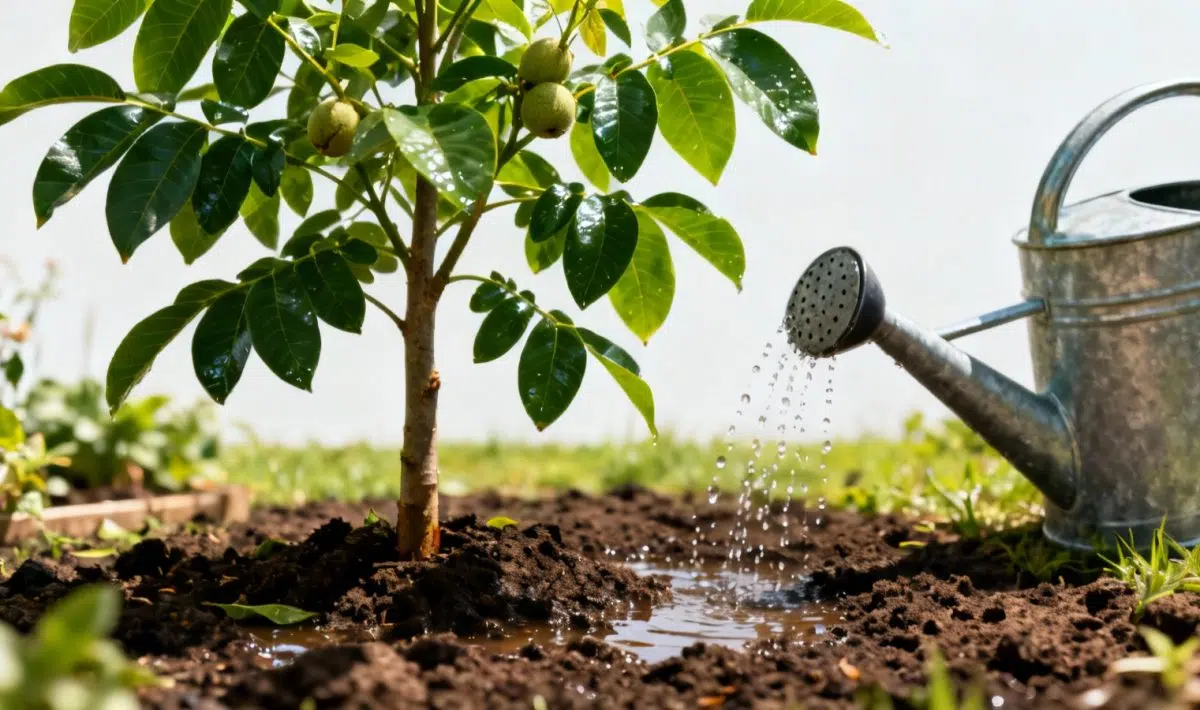
Understanding your black walnut water requirements
Today I’m sharing everything you need to know about watering your black walnut tree. This magnificent species requires specific care, and getting the watering schedule right will make all the difference for your tree’s health. Whether you’re growing a young sapling or maintaining a mature tree, proper hydration is essential for optimal development.
Black walnut trees have unique water needs that change as they mature. During their early years, these trees demand consistent moisture to establish strong root systems. However, overwatering can be just as harmful as drought, making it crucial to find the perfect balance for your specific situation.
Factors that influence watering frequency
Several key factors determine how often you should water your black walnut. Climate plays a major role – trees in hot, dry regions will need more frequent watering than those in cooler, humid areas. Soil type also matters significantly, as sandy soils drain quickly while clay soils retain moisture longer.
The age and size of your tree directly impact its water requirements. Young black walnut trees need regular attention, while established specimens become increasingly drought-tolerant. Additionally, seasonal changes affect watering schedules, with spring and summer typically requiring more frequent irrigation than fall and winter.
Watering schedule for black walnut trees by age
Young trees (first 2-3 years)
For newly planted black walnut trees, consistent watering is absolutely critical. Water deeply every 3-5 days during the growing season, providing enough moisture to penetrate 12-18 inches into the soil. This frequent schedule helps establish the root system that will support your tree’s future growth.
Apply water slowly and steadily, allowing it to soak deep rather than running off the surface. You’ll want to provide approximately 10-15 gallons per week for young trees, adjusting based on rainfall and temperature conditions. Just like understanding optimal watering for your scarlet-star, timing is everything with tree care.
Established trees (4+ years)
Mature black walnut trees become remarkably self-sufficient once their root systems are well-established. These trees typically need watering only during extended dry periods, perhaps once every 1-2 weeks during drought conditions. Their deep taproots can access groundwater that surface-rooted plants cannot reach.
When you do water established trees, apply large quantities less frequently. This encourages deep root growth and helps the tree become more drought-resistant over time. A mature black walnut might need 20-30 gallons during a thorough watering session.
Effective watering techniques for black walnuts
Deep watering methods
The most effective approach for watering black walnut trees involves deep, infrequent irrigation. This method encourages roots to grow downward, creating a stronger, more resilient tree. Apply water slowly over a large area around the tree, extending to the drip line and beyond.
Soaker hoses and drip irrigation systems work exceptionally well for black walnuts. These methods deliver water directly to the root zone without wasting liquid through evaporation or runoff. For those managing multiple plants, similar principles apply – understanding healthy watering practices for cabbage can inform your overall garden strategy.
Timing your watering sessions
Water your black walnut trees early in the morning when possible. This timing allows the tree to absorb moisture throughout the day while minimizing fungal problems that can develop with evening watering. Morning watering also reduces water loss from evaporation during hot afternoon hours.
Avoid watering during the hottest part of the day, as this wastes water and can stress the tree. Similarly, late evening watering can create conditions favorable for disease development, particularly in humid climates.
Signs your black walnut needs water
Learning to read your tree’s signals will help you determine the perfect watering schedule. Slightly wilted or drooping leaves during hot afternoons are normal, but persistent wilting throughout the day indicates water stress. Check soil moisture by digging down 6-8 inches near the tree – dry soil at this depth means it’s time to water.
Other signs include premature leaf drop, reduced nut production, and slower growth rates. However, avoid waiting until these stress symptoms appear. Instead, maintain a consistent schedule based on soil moisture levels and weather conditions.
The soil around your tree should feel consistently moist but never waterlogged. Much like watering tips for red valerian blooms, finding the right balance prevents both drought stress and root rot.
Common watering mistakes to avoid
Overwatering dangers
Excessive watering causes more problems than drought for black walnut trees. Waterlogged soil prevents proper root respiration and creates conditions for root rot and other fungal diseases. Overwatered trees often display yellowing leaves, stunted growth, and increased susceptibility to pests.
Signs of overwatering include mushy or darkened roots, persistent standing water around the tree base, and a sour smell emanating from the soil. If you notice these symptoms, reduce watering frequency immediately and improve drainage around the tree.
Shallow watering problems
Light, frequent watering encourages shallow root development, making your tree more vulnerable to drought and wind damage. Instead of watering for a few minutes daily, provide thorough, deep watering sessions that penetrate well into the soil profile.
Shallow roots also make trees more susceptible to temperature fluctuations and nutrient deficiencies. Whether you’re caring for trees or understanding watering guidance for African violets, deep watering principles apply across plant types.
Seasonal watering adjustments
Adjust your watering schedule throughout the year to match your black walnut’s changing needs. During spring, as new growth begins, maintain consistent moisture to support leaf and shoot development. Summer typically requires the most frequent watering, especially during heat waves or extended dry periods.
Fall watering helps trees prepare for winter, but reduce frequency as temperatures cool and growth slows. Winter watering is rarely necessary except during unusually warm, dry spells. Always consider recent rainfall when determining whether additional watering is needed.
Remember that proper watering is just one component of successful black walnut care. Combined with appropriate fertilization, pruning, and pest management, a well-planned watering strategy will help your tree thrive for decades to come. With patience and attention to your tree’s specific needs, you’ll enjoy the perfect balance of healthy growth and beautiful nut production.
Allan is a lifelong gardening enthusiast who still gets excited when the first seedlings pop up in spring. With a deep love for nature and a hands-in-the-soil approach, he shares practical tips, plant discoveries, and clever tricks picked up over years of digging, planting, and observing. Whether you’re a new gardener or have a shed full of tools, Allan writes like a neighbor who’s always happy to swap cuttings and stories over the fence.
You can find more about Allan’s work on Malt or connect with him on LinkedIn.