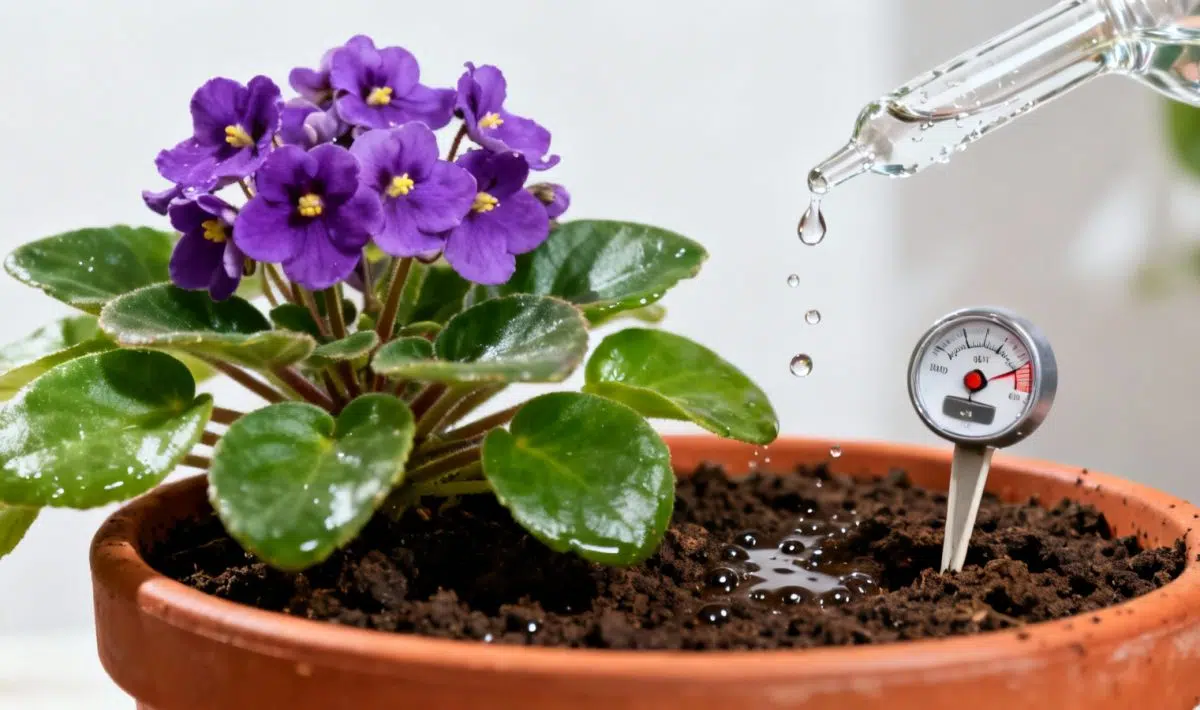
How often should you water your African violet for healthy blooms
Caring for African violets can feel tricky at first, but getting the watering right makes all the difference. These popular houseplants are surprisingly forgiving once you understand their basic needs. The key is finding that sweet spot between keeping the soil moist enough for growth while avoiding the dreaded root rot that kills so many indoor plants.
African violets prefer consistently moist soil, but not waterlogged conditions. Unlike some plants that like to dry out completely, these beauties do best when the top inch of soil feels slightly dry to the touch. This usually means watering every 3-4 days, though the exact timing depends on your home’s humidity, temperature, and the type of potting mix you’re using.
The surface of the soil should never be bone dry for extended periods. When you stick your finger into the potting mix, it should feel slightly damp about an inch down. This is your cue that it’s time to water. Many plant enthusiasts make the mistake of waiting too long between waterings, which can stress the plant and reduce blooming.
Temperature and lighting conditions play a huge role in how often your violet needs water. Plants in bright, indirect light tend to use more water than those in lower light conditions. Similarly, warmer rooms mean faster evaporation and more frequent watering needs.
Best watering methods for healthy African violets
The bottom-watering method works best for African violets. Place your plant in a shallow dish filled with lukewarm water for about 15-30 minutes. This allows the roots to absorb water gradually without getting the leaves wet, which can cause unsightly spots or encourage fungal problems.
If you must water from the top, use a watering can with a narrow spout to direct water straight to the soil surface. Keep water away from the fuzzy leaves and crown of the plant. Room temperature or slightly warm water works best – cold water can shock the roots and slow growth.
For gardeners growing multiple houseplants, understanding different watering needs is essential. Just as you’d consider watering tips for African marigolds for outdoor gardens, indoor plant care requires attention to each species’ unique requirements.
Signs your African violet needs water
Learning to read your plant’s signals makes watering much easier. Healthy African violets should have firm, upright leaves that feel slightly thick to the touch. When they need water, the leaves may start to feel softer or look slightly less perky than usual.
The soil surface test remains the most reliable method. Gently press your finger into the top inch of soil. If it feels dry or only barely damp, it’s watering time. Never wait until the soil pulls away from the pot edges – that means your plant has been too dry for too long.
Watch for subtle changes in leaf color too. Slightly thirsty violets might show a very faint dulling of their normally vibrant green leaves. Catching this early sign helps maintain optimal plant health and encourages regular blooming cycles.
Seasonal watering adjustments
Your watering schedule should shift with the seasons. During spring and summer growth periods, African violets typically need water more frequently – sometimes every 2-3 days in warm, dry homes. The increased daylight and warmth boost their metabolism, requiring more consistent moisture.
Winter brings slower growth and reduced water needs. You might find yourself watering only once a week during the coldest months. This is completely normal and healthy for the plant. Overwatering during winter dormancy can lead to root problems that are hard to fix.
Indoor heating systems can complicate things by creating very dry air. If your home feels dry in winter, consider using a humidity tray near your violets. This helps maintain the 40-60% humidity these plants prefer while reducing how often you need to water.
Choosing the right soil and containers
The type of potting mix dramatically affects watering frequency. African violets do best in well-draining, slightly acidic soil that holds moisture without becoming soggy. Commercial African violet potting mixes work well, or you can create your own blend with regular potting soil, perlite, and peat moss.
Pot size and drainage holes make a huge difference too. Small pots dry out faster but also make it harder to overwater. Always choose containers with drainage holes to prevent standing water. Plastic pots retain moisture longer than terracotta, which might mean adjusting your watering schedule accordingly.
Good drainage becomes especially important when growing other moisture-loving plants nearby. Different species have varying needs – for instance, learning about optimal watering for scarlet stars can help you create a diverse indoor garden while respecting each plant’s requirements.
Lighting considerations for proper watering
The amount of light your African violet receives directly impacts its water needs. Plants in bright, indirect light photosynthesize more actively and use water faster than those in lower light conditions. East or north-facing windows typically provide ideal lighting for these houseplants.
If you’re using grow lights, monitor soil moisture more frequently. Artificial lighting can increase water usage, especially if the lights generate heat. Position lights 12-15 inches above the plant and check soil moisture every 2-3 days during peak growing seasons.
Too much direct sunlight can actually reduce watering efficiency by stressing the plant. Scorched or yellowing leaves indicate too much light, while leggy growth with few flowers suggests insufficient lighting. Finding the right balance helps optimize both growth and watering schedules.
Common watering mistakes to avoid
Overwatering kills more African violets than underwatering. Constantly soggy soil leads to root rot, yellowing leaves, and eventual plant death. If you’re unsure whether to water, wait another day and check again. These plants can handle being slightly dry better than being too wet.
Getting water on the leaves creates another common problem. Those fuzzy leaves can develop brown spots or fungal issues when water sits on them, especially in cooler temperatures. Always water at soil level or use the bottom-watering method to keep foliage dry.
Using very cold or very hot water can shock the root system. Room temperature or slightly warm water encourages healthy root growth and nutrient uptake. This principle applies to many houseplants – similar considerations matter when determining cabbage watering guidelines for growth in outdoor vegetable gardens.
Creating a sustainable care routine
Consistency is key to successful African violet care. Check your plants every 3-4 days, preferably at the same time of day. This helps you develop a feel for their rhythm and catch any problems early. Many successful growers find that morning checks work best, giving plants all day to absorb water they need.
Keep a simple log if you’re caring for multiple plants. Note watering dates and any changes in plant appearance or growth. This helps you spot patterns and adjust your schedule as seasons change. Over time, you’ll develop an intuitive sense for when each plant needs attention.
Remember that every home environment is different. What works for one person might need adjustment for your specific conditions. Factors like humidity, temperature, air circulation, and lighting all influence watering needs. Even experienced gardeners dealing with watering frequency for corn plants must adapt their techniques to local conditions.
With patience and observation, you’ll soon master the art of African violet care. These rewarding plants respond to good care with months of beautiful blooms, making the effort to perfect your watering technique absolutely worthwhile.
Allan is a lifelong gardening enthusiast who still gets excited when the first seedlings pop up in spring. With a deep love for nature and a hands-in-the-soil approach, he shares practical tips, plant discoveries, and clever tricks picked up over years of digging, planting, and observing. Whether you’re a new gardener or have a shed full of tools, Allan writes like a neighbor who’s always happy to swap cuttings and stories over the fence.
You can find more about Allan’s work on Malt or connect with him on LinkedIn.