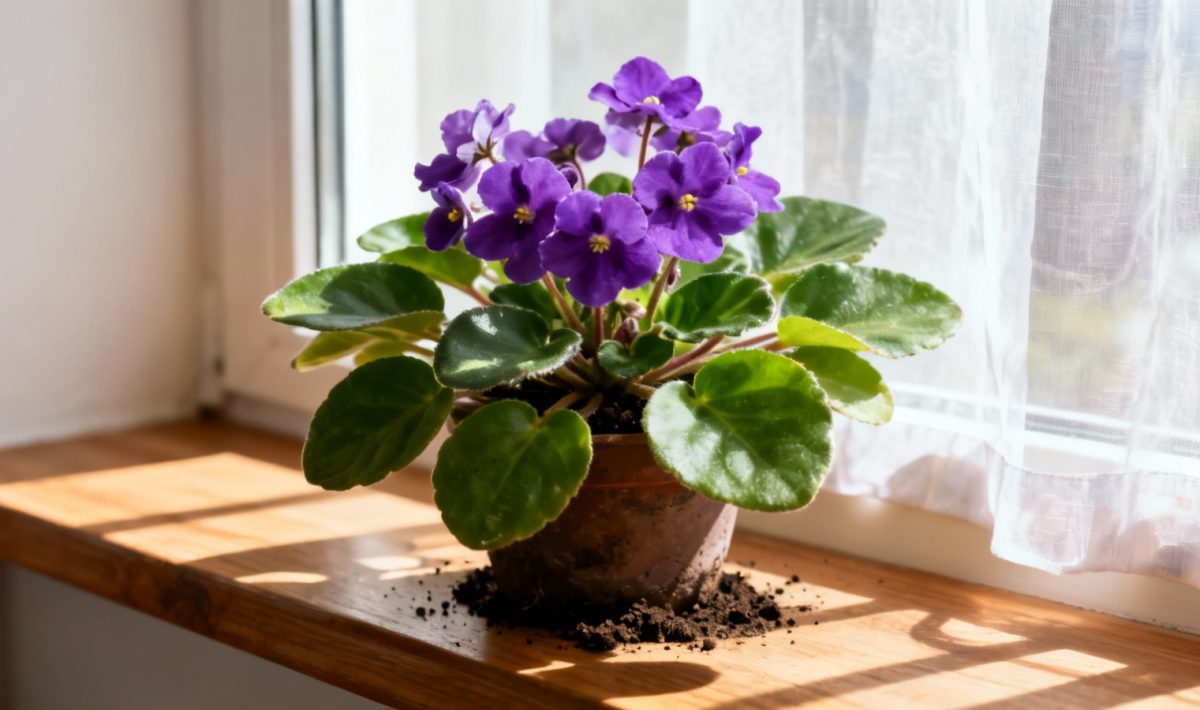
How much sunlight does African violet need for healthy growth and blooms
African violets are among the most beloved houseplants, known for their vibrant flowers and compact size. However, many plant enthusiasts struggle with providing the right amount of light for these charming plants. Understanding how much sunlight does African violet need is crucial for maintaining healthy growth and encouraging regular blooming throughout the year.
These delicate plants have specific lighting requirements that differ significantly from other common houseplants. Unlike sun-loving varieties, African violets thrive in bright, indirect light rather than direct sunlight exposure. Getting this balance right can mean the difference between a flourishing plant with abundant flowers and one that struggles to survive.
African violets require bright, indirect light with an intensity of approximately 500 to 1000 foot-candles for optimal growth. This translates to about 100-150 μmol m⁻² s⁻¹ in scientific terms, which provides the perfect balance for photosynthesis without causing leaf burn or stress to the plant.
The duration of light exposure is equally important as intensity. These plants need between 12 to 16 hours of light daily, followed by 8 hours of complete darkness. This light cycle triggers the production of florigen, a hormone essential for flower development and maintaining the plant’s natural rhythm.
When positioning your African violet, avoid placing it in direct sunlight, especially during peak hours. Direct sun exposure can quickly damage the delicate leaves, causing brown spots, wilting, and even permanent scarring. Instead, choose locations that receive filtered or diffused natural light throughout the day.
Best light sources for African violets
Natural light from windows provides excellent illumination when properly positioned. East-facing windows offer gentle morning sun that won’t overwhelm the plant, while north-facing windows provide consistent, indirect light throughout the day. South and west-facing windows can work but require careful placement to avoid direct exposure.
For consistent results, many growers turn to artificial lighting solutions. LED grow lights or fluorescent tubes positioned 12-18 inches above the plants can provide the steady illumination these plants crave. When using artificial lighting, aim for 15-16 hours of exposure daily to compensate for the controlled environment.
Just as different plants have varying needs – for example, understanding sunlight requirements for African marigolds helps gardeners succeed with outdoor blooms – knowing your African violet’s specific preferences ensures indoor gardening success.
Seasonal adjustments for optimal care
Light requirements change with the seasons, and your African violet care should adapt accordingly. During winter months when natural light is limited, you may need to supplement with artificial lighting or move plants closer to windows. However, avoid placing them too close to cold glass surfaces, which can stress the plant.
Summer brings stronger sunlight that may require repositioning your plants further from windows or providing additional shade. Monitor your plants closely during seasonal transitions, as sudden changes in lighting can cause stress and affect blooming patterns.
Spring and fall offer ideal natural lighting conditions for most indoor locations. These seasons typically provide the bright, indirect light that African violets prefer without the extremes of winter darkness or summer intensity.
Signs your African violet needs lighting adjustments
Recognizing when your plant isn’t receiving proper lighting is essential for quick corrections. Plants receiving insufficient light often develop elongated, pale leaves that stretch toward available light sources. The stems may become weak and spindly, unable to support the plant’s weight properly.
Reduced flowering is another clear indicator of lighting issues. African violets that don’t receive adequate light will focus their energy on survival rather than reproduction, resulting in fewer or no flowers. The existing blooms may also appear smaller and less vibrant than normal.
Conversely, too much direct light causes brown, crispy edges on leaves and may create yellow or white patches where the sun has burned the foliage. These damaged areas cannot recover, making prevention through proper positioning crucial for plant health.
Creating the perfect lighting environment
To establish ideal conditions for your African violet, start by evaluating your available spaces. Use a light meter or smartphone app to measure the intensity at different locations throughout the day. This data helps you identify the spots that consistently provide the 500-1000 foot-candle range these plants prefer.
Consider the changing light patterns in your home throughout the day and seasons. A location that seems perfect in winter may become too bright in summer, requiring seasonal adjustments or supplemental shading during peak months.
For growers interested in expanding their plant collection, understanding various lighting needs becomes important. Learning about catnip’s optimal sunlight exposure or sunlight needed for lemon trees can help create diverse indoor gardens with plants that complement each other’s requirements.
Troubleshooting common lighting problems
When African violets show signs of stress, lighting is often the first factor to examine. If your plant has stopped blooming despite appearing healthy otherwise, try gradually increasing the daily light exposure or moving it to a brighter location with indirect light.
Plants that develop leggy growth patterns need more light intensity. However, make changes gradually to avoid shocking the plant. Move the violet closer to its light source by a few inches every few days until you achieve the desired compact growth habit.
Sometimes the issue isn’t the amount of light but its quality or consistency. Inconsistent lighting schedules can disrupt the plant’s natural cycles, leading to poor performance even when the total daily light seems adequate.
Maximizing growth potential
Beyond basic lighting requirements, consider how light interacts with other care factors. Proper soil moisture, adequate humidity, and appropriate temperatures all work together with lighting to create optimal growing conditions for your African violet.
The relationship between light and watering is particularly important. Plants receiving adequate light will use water more efficiently and require more frequent watering than those in low-light situations. Adjust your care routine accordingly to match your plant’s light-driven metabolism.
Understanding these interconnected needs helps create a comprehensive care approach. Just as gardeners learn about light requirements for common purslane for outdoor cultivation success, indoor plant enthusiasts benefit from understanding how different factors work together.
Long-term lighting strategies
Developing a sustainable lighting plan ensures your African violet remains healthy year after year. This includes having backup lighting options for unexpected situations, such as extended cloudy periods or temporary relocations during home maintenance projects.
Consider investing in a timer-controlled lighting system if you frequently travel or have an irregular schedule. Consistent light cycles are more important than perfect intensity, and automated systems help maintain the routine your plant needs for optimal health.
Document what works best for your specific growing conditions. Keep notes about seasonal adjustments, successful light placements, and any changes that improve flowering or growth. This personal reference becomes invaluable as you gain experience and potentially add more plants to your collection.
For those expanding their gardening knowledge, exploring requirements for different plant types, such as optimal sunlight for Pin oak trees, provides valuable insights into how varied plant families have evolved different strategies for utilizing light energy.
Conclusion and final recommendations
Successfully growing African violets requires understanding their specific lighting needs and maintaining consistent conditions. These plants thrive with 500-1000 foot-candles of bright, indirect light for 12-16 hours daily, followed by 8 hours of darkness to promote healthy flowering cycles.
Remember that lighting is just one component of comprehensive African violet care, but it’s often the most critical factor for long-term success. By providing appropriate light levels and monitoring your plant’s response, you can enjoy beautiful blooms and healthy growth throughout the year.
With proper attention to lighting requirements, your African violet can become a long-lasting companion that brings color and joy to your indoor space for many years to come.
Allan is a lifelong gardening enthusiast who still gets excited when the first seedlings pop up in spring. With a deep love for nature and a hands-in-the-soil approach, he shares practical tips, plant discoveries, and clever tricks picked up over years of digging, planting, and observing. Whether you’re a new gardener or have a shed full of tools, Allan writes like a neighbor who’s always happy to swap cuttings and stories over the fence.
You can find more about Allan’s work on Malt or connect with him on LinkedIn.