
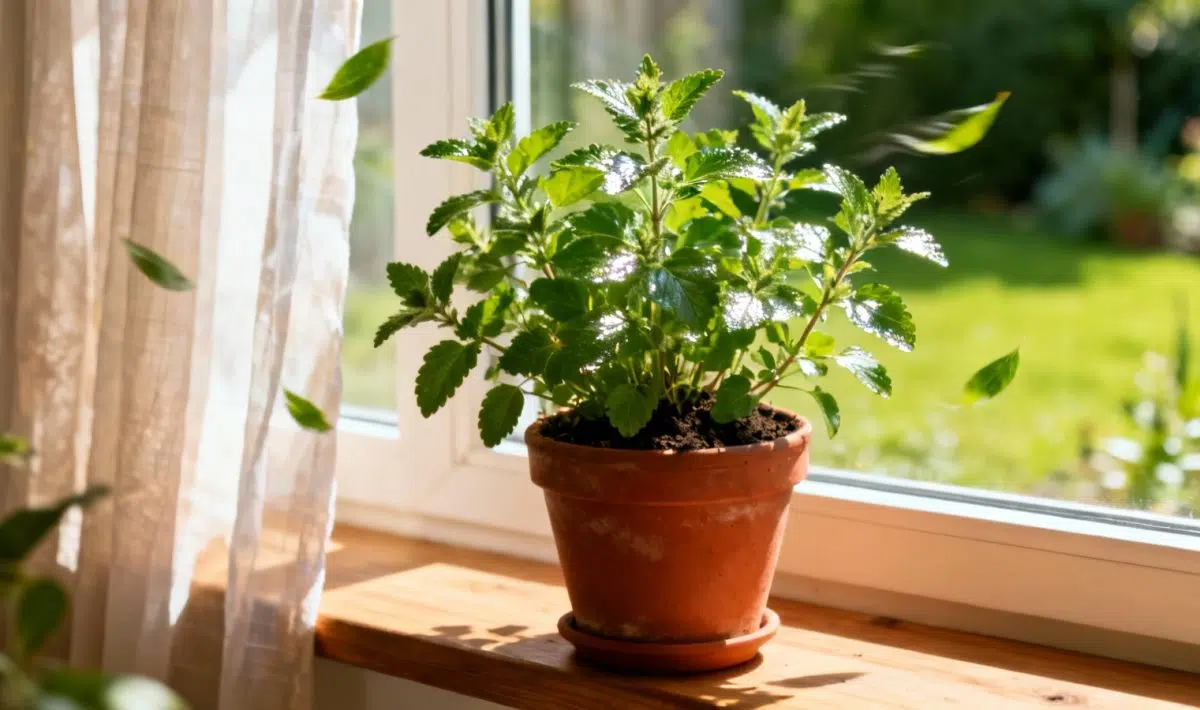
Understanding catnip’s sunlight requirements
Catnip, scientifically known as Nepeta cataria, is a delightful herbe that cats absolutely adore. This aromatic plant requires specific light conditions to flourish and produce the essential oils that make it so attractive to our feline friends. Understanding how much sunlight does catnip need is crucial for successful cultivation, whether you’re growing seeds indoors or planting directly in your garden.
The catnip plant thrives best with full sun exposure, requiring a minimum of 6 hours of direct sunlight daily. This generous amount of light ensures vigorous growth, healthy root development, and optimal production of nepetalactone – the compound that drives cats wild with excitement.
However, sunlight requirements can vary depending on your climate and growing conditions. In extremely hot regions, providing mild afternoon shade can protect your catnip from heat stress while still maintaining adequate light exposure for healthy development.
Optimal sunlight exposure for healthy catnip growth
For the best results with your catnip cultivation, aim for 6 to 8 hours of direct sunlight each day. This exposure time allows the plant to photosynthesize efficiently, producing the energy needed for robust growth and flower production. Plants receiving adequate light will develop stronger stems, more abundant foliage, and higher concentrations of essential oils.
Morning sunlight is particularly beneficial for catnip, as it helps dry any dew from the leaves, reducing the risk of fungal issues. The plant also appreciates consistent light throughout the day, so positioning it in a location with steady sun exposure will yield better results than spots with intermittent shade.
Similar to understanding ideal sunlight for growing onions, catnip benefits from well-planned garden positioning. If you’re growing catnip alongside other sun-loving plants, ensure adequate spacing to prevent competition for light resources.
Indoor growing and light considerations
When growing catnip from seeds indoors, selecting the right location becomes even more critical. A south-facing window that receives at least 6 hours of natural light is ideal for starting your catnip seeds. The window should provide bright, direct sunlight throughout most of the day.
If natural light is insufficient in your home, you can supplement with grow lights. LED grow lights positioned 12-18 inches above your catnip plants can provide the necessary light spectrum for healthy growth. Run these lights for 12-14 hours daily to compensate for the intensity difference compared to natural sunlight.
Just as sunlight requirements for garden petunias vary by location, indoor catnip cultivation requires careful monitoring of light conditions. Rotate your pots weekly to ensure all sides of the plant receive equal light exposure and prevent leaning toward the light source.
Signs of inadequate or excessive light
Recognizing the symptoms of improper light exposure will help you adjust your catnip’s growing conditions quickly. Plants receiving insufficient sunlight often display leggy growth, with long, weak stems stretching toward available light sources. The leaves may appear pale or yellowish, and the plant will produce fewer flowers and less potent oils.
Conversely, excessive sun exposure in very hot climates can cause leaf scorching, particularly during peak afternoon hours. Brown, crispy leaf edges or wilting despite adequate water indicate that your catnip might benefit from some protection during the hottest part of the day.
Well-balanced light exposure produces compact, bushy plants with vibrant green foliage and abundant flowering. The leaves should feel substantial and release their characteristic minty fragrance when gently rubbed between your fingers.
Seasonal adjustments and growing tips
Throughout the growing season, you may need to adjust your catnip’s position or protection based on changing sun patterns. Spring and early summer typically provide ideal conditions, but midsummer heat might require some afternoon shade in hot climates.
Unlike some shade-tolerant plants such as light needs for English ivy, catnip consistently performs best with generous sun exposure. During autumn, as daylight hours decrease, indoor plants may need supplemental lighting to maintain healthy growth.
Consider companion planting with other herbs that share similar light requirements. This approach maximizes your garden space while ensuring all plants receive appropriate care. Just remember that each variety has unique needs – for instance, sunlight for painted-leaf begonias differs significantly from catnip requirements.
Maximizing your catnip’s light exposure
Strategic placement can dramatically improve your catnip’s access to sunlight. Choose locations away from large trees, buildings, or structures that cast shadows during peak daylight hours. South-facing slopes or areas with natural light reflection from nearby surfaces can enhance overall light availability.
For container growing, mobility becomes a significant advantage. You can move pots to follow the sun throughout the day or relocate them seasonally as sun patterns change. This flexibility allows you to provide optimal conditions year-round.
When planning your herb garden, consider the mature size of surrounding plants. What starts as a sunny spot might become shaded as other plants grow, so plan accordingly to maintain adequate light for your catnip throughout the growing season.
If your catnip isn’t thriving despite seemingly adequate light, consider other factors that might affect light quality. Dirty windows, screen mesh, or nearby reflective surfaces can reduce the actual light intensity reaching your plants. Clean windows regularly and remove any obstructions that might filter or block sunlight.
Poor air circulation combined with intense sunlight can create heat stress even when light levels are appropriate. Ensure good ventilation around your catnip plants, especially in indoor growing situations or enclosed garden areas.
Some gardeners successfully grow catnip alongside sun-loving companions like optimal sunlight for common borage, creating beneficial plant communities that thrive together. This approach can help maximize garden productivity while maintaining proper light conditions for all plants.
Benefits of proper light management
When you provide optimal sunlight conditions for your catnip, you’ll notice remarkable improvements in plant quality. Properly lit plants produce higher concentrations of nepetalactone, making them more attractive and beneficial for your cat. The enhanced oil production also increases the plant’s natural pest-repelling properties.
Well-lit catnip plants are generally more resistant to diseases and pests. Strong, healthy growth supported by adequate photosynthesis creates plants better equipped to withstand environmental stresses and recover quickly from any damage.
Additionally, optimal light conditions promote better seed production if you plan to harvest seeds for future planting. This creates a sustainable cycle of catnip cultivation that can provide fresh herbs for your feline friends year after year, with each new generation potentially showing improved vigor and potency.

Allan is a lifelong gardening enthusiast who still gets excited when the first seedlings pop up in spring. With a deep love for nature and a hands-in-the-soil approach, he shares practical tips, plant discoveries, and clever tricks picked up over years of digging, planting, and observing. Whether you’re a new gardener or have a shed full of tools, Allan writes like a neighbor who’s always happy to swap cuttings and stories over the fence.
You can find more about Allan’s work on Malt or connect with him on LinkedIn.


