
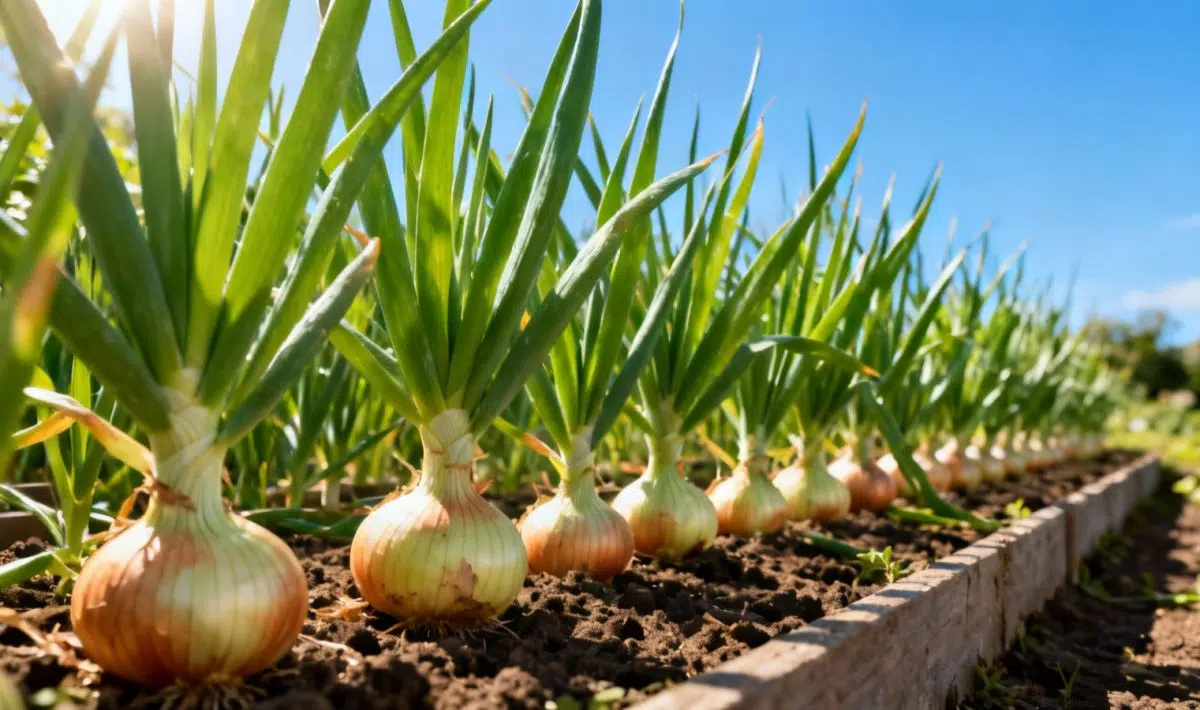
Growing onions successfully requires understanding their fundamental sunlight needs, which directly impact bulb development and overall plant quality. Whether you’re planting seeds or bulbs, providing adequate light exposure is crucial for achieving a bountiful harvest. The relationship between sunlight and onion growth affects everything from germination rates to the final size and flavor of your onions.
Essential sunlight requirements for onion cultivation
Onions require a minimum of 6 to 8 hours of direct sunlight daily for optimal growth and bulb development. This full sun exposure ensures proper photosynthesis, which fuels the energy needed for forming large, healthy bulbs. When planting onion seeds or bulbs, choosing a location with maximum sun exposure should be your first priority.
The quality of sunlight directly influences how fast your onions will develop from small seeds into mature bulbs ready for harvesting. Direct sunlight provides the high-intensity light energy that onions need to convert nutrients efficiently. Without adequate exposure, you may notice slower growth rates and smaller bulb formation.
Impact of light on different onion varieties
Red onions, yellow onions, and white onions all share similar sunlight requirements, though some varieties have been developed for specific growing conditions. When selecting seeds or bulbs for planting, consider that short-day varieties need 10-12 hours of daylight to form bulbs, while long-day varieties require 14-16 hours. This distinction is crucial for timing your planting schedule correctly.
Fresh onion varieties from quality seed suppliers often come with specific guidelines about their light preferences. Some modern cultivars have been bred for faster growth under intense sunlight conditions. Much like how sunlight needs for garden petunias vary by variety, onions also have subtle differences in their light requirements depending on their genetic background.
Optimizing your planting strategy for maximum sun exposure
When planning your onion planting, orientation plays a critical role in ensuring your plants receive adequate sunlight throughout the day. Plant your onion rows running north to south, which allows both sides of the plants to receive equal sun exposure as the sun moves across the sky. This technique promotes even growth and prevents one side from becoming shaded.
Avoid planting onions near tall structures, trees, or other plants that can cast shadows during peak sunlight hours. The goal is to provide consistent, uninterrupted light from morning until evening. For container growing, position your pots where they can receive the most direct sunlight, moving them as needed throughout the growing season.
Seasonal considerations and timing
The timing of your planting affects how much natural sunlight your onions will receive during their critical growth phases. Spring planting allows onions to take advantage of increasing day length as they develop. This natural progression from shorter to longer days signals the plant to begin bulb formation at the appropriate time.
During the first few weeks after planting, young onion plants are establishing their root systems and green foliage. This early growth phase benefits from consistent sunlight exposure, which strengthens the plant’s foundation. Just as light requirements for English ivy change with the seasons, onions also respond differently to varying light conditions throughout their growth cycle.
Signs of adequate versus insufficient light
Healthy onions growing in proper sunlight conditions display thick, upright green foliage and develop bulbs that are firm and well-sized. The leaves should have a vibrant green color and show steady, consistent growth. When onions receive adequate light, they typically reach maturity within their expected timeframe and produce high-quality bulbs.
Insufficient sunlight often results in thin, pale foliage that may lean or fall over easily. Plants grown in too much shade tend to put energy into leaf production rather than bulb development, resulting in small, underdeveloped onions. These plants may also be more susceptible to diseases due to poor air circulation around weak foliage.
Maximizing light exposure through proper garden management
Regular maintenance of your growing area ensures that your onions continue receiving optimal sunlight throughout the season. Remove weeds that can compete for light and space, and thin overcrowded plantings to prevent shading between plants. Good spacing allows each onion plant to receive its fair share of sunlight from all directions.
Consider the mature size of nearby plants when planning your garden layout. What starts as adequate spacing in early spring may become crowded as companion plants grow larger. Similar to how sunlight preferences for painted-leaf begonia must be considered in mixed plantings, onions need consistent access to light even as surrounding vegetation develops.
Solutions for challenging growing conditions
If your garden has limited sun exposure, you can still grow quality onions with some adjustments. Choose the sunniest available location, even if it only receives 4-6 hours of direct light. While not ideal, onions can tolerate partial sun conditions, though you may notice slower growth and smaller bulbs.
For gardeners dealing with excessive shade, container growing offers flexibility to move plants to sunnier locations throughout the day. Use wheeled planters or lightweight containers that can be repositioned easily. This mobility allows you to follow the sun’s path and maximize light exposure for your onions.
Reflective materials placed around your growing area can help increase the amount of light reaching your plants. White mulch, aluminum foil, or specialized reflective garden materials can redirect sunlight onto your onions from multiple angles. This technique is particularly useful in urban settings where buildings create challenging light conditions, much like indoor gardeners use for plants such as light conditions for common borage.
Quality considerations for seed and bulb selection
When shopping for onion seeds or bulbs, choose suppliers that provide detailed growing guidelines and quality guarantees. High-quality seeds from reputable sources are more likely to produce vigorous plants that can make the most of available sunlight. Look for varieties specifically bred for your climate and growing conditions.
Free shipping offers from online suppliers can make it economical to order premium seeds or bulbs that may not be available locally. Many quality suppliers offer GMO-free options and provide detailed planting instructions that include specific light requirements for their varieties. These guidelines help ensure you’re giving your onions the best possible start.
Fast-growing varieties can be particularly useful for gardeners with shorter growing seasons or limited optimal light conditions. These cultivars have been selected for their ability to develop quickly under good growing conditions, making efficient use of available sunlight. Just as sunlight exposure for mango trees varies by cultivar, different onion varieties have been optimized for specific light and climate conditions.
Monitoring and adjusting your approach
Regular observation of your onion plants helps you assess whether they’re receiving adequate sunlight for healthy development. Take note of growth rates, leaf color, and overall plant vigor throughout the season. This ongoing assessment allows you to make adjustments if needed, such as relocating containers or removing obstacles that create shade.
Keep records of your planting dates, varieties, and light conditions to improve your results in future seasons. This information helps you identify which varieties perform best in your specific light conditions and growing environment. Successful onion cultivation often involves fine-tuning your approach based on previous experiences and changing garden conditions.
Understanding how much sunlight onions need is fundamental to achieving a successful harvest. By providing 6-8 hours of direct sunlight daily, selecting appropriate varieties, and optimizing your growing space for maximum light exposure, you can enjoy fresh, high-quality onions from your garden. Remember that consistent light exposure throughout the growing season is key to developing the large, flavorful bulbs that make homegrown onions so rewarding.

Allan is a lifelong gardening enthusiast who still gets excited when the first seedlings pop up in spring. With a deep love for nature and a hands-in-the-soil approach, he shares practical tips, plant discoveries, and clever tricks picked up over years of digging, planting, and observing. Whether you’re a new gardener or have a shed full of tools, Allan writes like a neighbor who’s always happy to swap cuttings and stories over the fence.
You can find more about Allan’s work on Malt or connect with him on LinkedIn.


