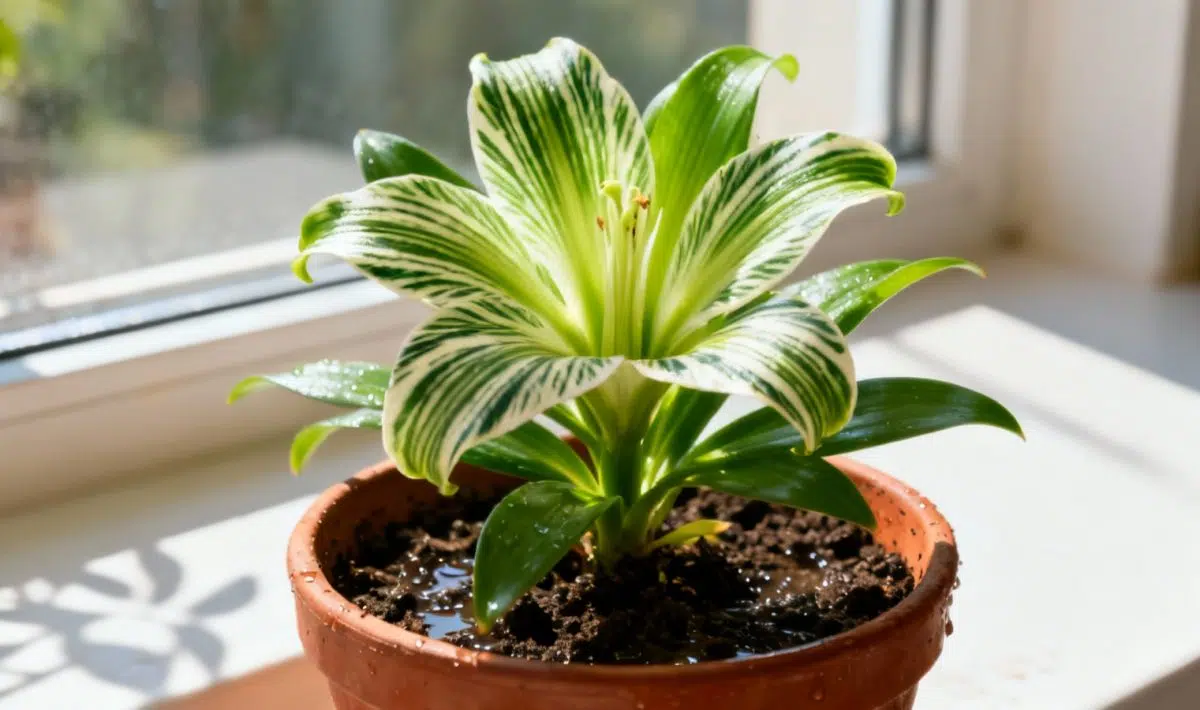
Understanding your striped barbados lily’s water needs
The striped barbados lily is a stunning plant that rewards proper care with magnificent blooms. However, getting the watering schedule right is crucial for this beauty to thrive in your garden or home. This elegant bulbous plant has specific hydration requirements that change throughout its growing cycle.
During active growth periods, your striped barbados lily should receive water approximately every 7 to 14 days. The key is maintaining consistent moisture without creating waterlogged conditions. For each watering session, plan to provide about half a cup of water, adjusting based on your pot size and environmental conditions.
Temperature and humidity play significant roles in determining the exact frequency. In warmer conditions, you might need to water more frequently, while cooler temperatures extend the time between watering sessions. Just as with watering tomatoes during a heatwave, environmental factors greatly influence your plant’s water requirements.
Seasonal watering adjustments for optimal growth
Spring marks the beginning of your lily’s active growing phase. As new shoots emerge from the bulb, gradually increase your watering frequency. Start with light watering sessions and build up to the regular schedule as foliage develops fully.
Summer requires the most consistent watering approach. This is when your plant produces its spectacular blooms and needs steady moisture to support flower development. Monitor the soil regularly and maintain that sweet spot between moist and soggy.
Fall signals the beginning of the dormancy preparation period. Start reducing watering frequency as the leaves begin to yellow and die back naturally. This gradual reduction helps the bulb prepare for its resting phase.
Winter dormancy requires minimal water. During this period, water only once every 4 to 6 weeks, just enough to prevent the bulb from completely drying out. Similar principles apply when caring for other houseplants, such as learning to water your English ivy properly during different seasons.
Proper watering techniques and methods
The watering method you choose can make a significant difference in your plant’s health. Always water at the soil level rather than from above to prevent water from sitting in the crown, which can lead to rot.
Use lukewarm water for the best results. Cold water can shock the roots, while hot water may damage them. Allow tap water to sit for 24 hours before use, which helps chlorine dissipate and brings the water to room temperature.
Consider bottom watering as an excellent technique for this plant. Place the pot in a shallow dish of water and allow the soil to absorb moisture from below. This method ensures thorough hydration while preventing water from pooling around the bulb.
The drainage system in your container is absolutely critical. Ensure your pot has adequate drainage holes and use a well-draining potting mix. Standing water is the quickest way to kill your striped barbados lily, so proper drainage cannot be overlooked.
Recognizing water-related problems and solutions
Overwatering symptoms include yellowing leaves, soft or mushy bulbs, and a foul smell from the soil. If you notice these signs, immediately reduce watering frequency and improve drainage. Remove any affected parts and consider repotting in fresh, well-draining soil.
Underwatering manifests as wilting leaves, dry soil that pulls away from pot edges, and stunted growth. Increase watering frequency gradually rather than giving one large drink, which can shock the plant.
Leaf browning can indicate either extreme, so check soil moisture levels before adjusting your routine. The same attention to detail applies when maintaining other flowering plants, such as ensuring optimal watering for Indian shot varieties.
Monitor your plant regularly for early warning signs. Healthy striped barbados lilies have firm, upright foliage and show steady growth during active periods.
Environmental factors affecting watering frequency
Indoor humidity levels significantly impact your plant’s water needs. Low humidity environments, common in heated homes, increase water loss through transpiration. Consider using a humidity tray or room humidifier to maintain optimal conditions.
Pot size and material influence watering frequency as well. Terracotta pots dry out faster than plastic ones, while larger containers retain moisture longer than small pots. Adjust your schedule based on these variables.
Air circulation around your plant affects moisture evaporation rates. Good ventilation prevents fungal issues but may require more frequent watering. Balance airflow with humidity needs for best results.
Light intensity also plays a role in water consumption. Plants in bright locations use water more quickly than those in lower light conditions. This principle applies across many houseplants, including understanding requirements for keeping Angel’s-wings healthy in various lighting conditions.
Tools and techniques for monitoring soil moisture
A moisture meter provides accurate readings of soil water content. Insert the probe into the soil at different depths to get a complete picture of moisture distribution throughout the root zone.
The finger test remains a reliable method for checking soil moisture. Insert your finger about two inches into the soil. If it feels dry at this depth, it’s time to water your striped barbados lily.
Weight checking works particularly well for potted plants. Lift your container after watering to feel its weight, then check again when it needs water. This method helps you develop an intuitive sense of your plant’s water needs.
Visual cues from the soil surface can also guide your decisions. Dry, light-colored soil pulling away from pot edges indicates the need for water, while dark, moist soil suggests adequate hydration levels.
Maximizing bloom production through proper hydration
Consistent moisture during bud development ensures spectacular flowering displays. Your striped barbados lily produces its best blooms when water stress is minimized during this critical period.
Avoid dramatic fluctuations in soil moisture, which can cause bud drop or poor flower quality. Maintain steady hydration levels from the first sign of flower stalks until blooms fade naturally.
Post-bloom care requires continued attention to watering. The plant needs energy to replenish the bulb for next year’s display, making consistent care essential even after flowers fade.
Consider the specific needs of flowering plants in your collection. For instance, watering your China aster for blooms follows similar principles of consistent moisture during flowering periods.
Long-term care and maintenance considerations
Establishing a watering routine takes time and observation. Keep a simple log of watering dates and plant responses to develop the perfect schedule for your specific conditions.
Bulb health depends on proper hydration throughout all growth phases. Well-watered bulbs develop strong root systems and store more energy for impressive future displays.
Consider your long-term gardening goals when caring for your striped barbados lily. Proper watering practices now ensure years of beautiful blooms and healthy plant development.
Regular maintenance includes cleaning leaves, removing spent flowers, and monitoring for pest issues. Healthy, well-watered plants resist diseases and pests more effectively than stressed specimens. This comprehensive approach to plant care extends to other species as well, such as ensuring healthy growth for parlor palm through proper hydration practices.
Allan is a lifelong gardening enthusiast who still gets excited when the first seedlings pop up in spring. With a deep love for nature and a hands-in-the-soil approach, he shares practical tips, plant discoveries, and clever tricks picked up over years of digging, planting, and observing. Whether you’re a new gardener or have a shed full of tools, Allan writes like a neighbor who’s always happy to swap cuttings and stories over the fence.
You can find more about Allan’s work on Malt or connect with him on LinkedIn.