Understanding the striped barbados lily’s light requirements
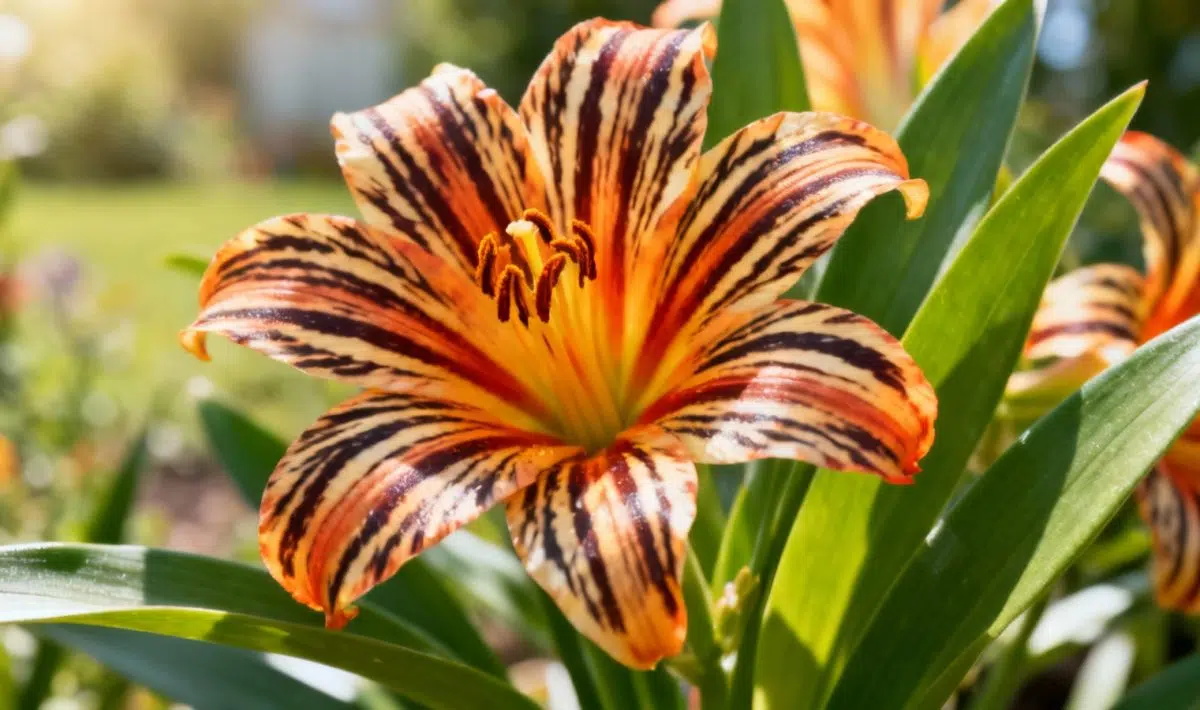
The striped barbados lily, scientifically known as Hippeastrum striatum, stands out as one of the most striking flowering bulbs you can add to your collection. These magnificent plants showcase stunning red and white striped blooms that captivate gardeners worldwide. However, achieving those vibrant flower displays requires understanding exactly how much sunlight does striped barbados lily need for optimal growth.
This remarkable lily thrives with 6 to 8 hours of direct sunlight daily. Unlike some delicate flowering plants, the striped barbados lily actually craves bright, intense light to produce its characteristic bold colors and robust stems. When you provide adequate sunlight, you’ll notice the difference in both flower quality and plant vigor.
Optimal lighting conditions for healthy growth
Full sun exposure creates the perfect environment for your striped barbados lily to flourish. These plants perform best when they receive maximum sunlight throughout the growing season. While they can tolerate up to 30% partial shade, the results simply don’t compare to full sun cultivation.
The intense light helps develop the plant’s signature white and red striped petals to their fullest potential. Just as understanding sunlight requirements for strawberry plants is crucial for fruit production, proper lighting ensures your lily produces those spectacular blooms you’re after.
When grown outdoors in USDA zones 8-11, choose locations that receive morning and afternoon sun with minimal obstruction. A south-facing garden bed typically provides ideal conditions, though east or west exposures can work well too.
Indoor placement strategies
Growing striped barbados lilies indoors requires careful attention to light placement. Position your plant near a south-facing window where it can capture maximum natural light throughout the day. However, maintain some distance from the glass to prevent leaf scorching during intense midday sun.
Rotate your container every few days to ensure even growth and prevent the plant from leaning toward the light source. This simple practice helps maintain the plant’s natural symmetry and promotes balanced development across all sides.
During winter months, you might need to supplement natural light with grow lights. LED plant lights placed 12-18 inches above the foliage can provide the additional illumination needed to maintain healthy growth when daylight hours decrease.
Recognizing proper and improper lighting conditions
Your striped barbados lily will clearly communicate its lighting satisfaction through visual cues. Proper lighting produces sturdy, upright stems with rich green foliage and vibrant flower colors. The distinctive red and white striping appears most pronounced when the plant receives adequate sunlight exposure.
Insufficient light causes several noticeable problems. Stems become elongated and weak, a condition called etiolation, while leaves may appear pale or yellowish. Most importantly, flowering becomes sparse or may not occur at all without proper light levels.
Conversely, excessive direct sun can also cause issues. Watch for brown, crispy leaf edges or overall wilting despite adequate watering. These symptoms indicate your lily needs protection during the most intense afternoon hours. Similar to how other plants like those requiring specific care such as sunlight needs for red maple trees vary, adjusting exposure helps prevent damage.
Seasonal light adjustments
Spring and summer provide the longest days and strongest sunlight, creating perfect conditions for active growth and flowering. During these seasons, your striped barbados lily can handle full sun exposure throughout most of the day.
As autumn approaches and light intensity decreases, gradually reduce the plant’s exposure if grown in containers. This natural reduction helps trigger the dormancy period that many amaryllis varieties require for optimal blooming the following season.
Winter care involves the most dramatic light changes. If you’re growing your lily indoors, place it in the brightest available location while reducing watering frequency. This combination of bright light and controlled moisture mimics the plant’s natural cycle and promotes healthy bulb development.
Creating the perfect garden environment
Beyond individual plant placement, consider how your striped barbados lily fits into your overall garden design. These stunning flowers create excellent focal points when planted in sunny borders alongside other sun-loving bulbs and perennials.
Companion planting with other light-loving species enhances both visual appeal and growing success. Consider pairing your lily with plants that share similar sunlight requirements, much like understanding best sunlight for common zinnias helps create harmonious garden combinations.
Wind protection becomes important in exposed, sunny locations. While your lily needs bright light, strong winds can damage the tall flower stems. Plant them near sturdy perennials or install discrete supports to protect those magnificent blooms.
Color combinations and collection building
The red and white striped variety offers incredible versatility in garden color schemes. These bold colors complement both warm and cool color palettes, making them excellent anchor plants for mixed bulb collections.
Consider adding yellow, pink, or orange flowering companions to create dynamic seasonal displays. The lily’s striking appearance pairs beautifully with golden daffodils, purple crocuses, or coral-colored tulips for spring bulb gardens that capture attention from across the yard.
For gardeners interested in expanding their collection, exploring the light needs of other flowering plants like ideal sunlight for cornflowers or light needs of florist kalanchoe can help create diverse, well-planned gardens that bloom throughout multiple seasons.
Troubleshooting common lighting problems
Even experienced gardeners sometimes encounter lighting challenges with their striped barbados lilies. Poor flowering often stems from inadequate sunlight, but other factors can contribute to disappointing results.
If your lily produces plenty of green growth but few flowers, evaluate both light quality and duration. Sometimes plants receive bright light for only part of the day, which may support foliage growth but isn’t sufficient for flower production.
Sudden changes in lighting conditions can also stress the plant. If moving your lily from indoor to outdoor conditions, gradually acclimate it over several days to prevent shock. Start with a few hours of morning sun, then slowly increase exposure time.
Maximizing bloom potential
The most spectacular displays occur when you combine optimal lighting with proper care techniques. Ensure your striped barbados lily receives consistent moisture during active growth periods while maintaining that crucial 6-8 hours of daily sunlight.
Fertilizing during the growing season supports the energy production that bright sunlight enables. Use a balanced, slow-release fertilizer to provide steady nutrition without overwhelming the plant. The combination of proper nutrition and adequate light creates the ideal foundation for those stunning striped blooms.
Understanding the unique needs of various flowering plants, including those with specialized requirements like sunlight preferences for oyster plants, helps you become a more successful gardener overall. Each plant’s specific lighting needs contribute to creating truly spectacular garden displays.
Long-term success with proper light management
Consistent attention to lighting requirements pays dividends year after year with striped barbados lilies. These long-lived bulbs reward proper care with increasingly impressive displays as they mature and multiply.
Document your plant’s response to different lighting conditions throughout the seasons. This information becomes invaluable for planning future garden layouts and troubleshooting any issues that arise. Photography helps track changes in plant health and flowering quality over time.
Remember that establishing the right lighting conditions takes patience and observation. Your striped barbados lily will adapt to its environment over time, but providing optimal sunlight from the beginning sets the foundation for years of breathtaking blooms that make every gardening effort worthwhile.
Allan is a lifelong gardening enthusiast who still gets excited when the first seedlings pop up in spring. With a deep love for nature and a hands-in-the-soil approach, he shares practical tips, plant discoveries, and clever tricks picked up over years of digging, planting, and observing. Whether you’re a new gardener or have a shed full of tools, Allan writes like a neighbor who’s always happy to swap cuttings and stories over the fence.
You can find more about Allan’s work on Malt or connect with him on LinkedIn.