How much sunlight does oyster plant need for optimal growth
Growing oyster plants successfully starts with understanding their unique light requirements. These remarkable culinary plants, prized for their versatility in both indoor and outdoor gardens, thrive when given the right amount of sunlight. Whether you’re cultivating them for their ornamental purple foliage or their culinary benefits, proper lighting makes all the difference in achieving optimal growth and vibrant coloration.
The oyster plant (Tradescantia spathacea) performs best with 3 to 6 hours of daily sunlight in partial shade conditions. This adaptable plant tolerates various lighting situations, making it perfect for both beginner and experienced gardeners. Unlike many vegetables that demand full sun, oyster plants actually prefer filtered light that protects their distinctive purple leaves from scorching.
For indoor cultivation, bright indirect light creates the ideal environment. Position your oyster plant near a south-facing window where it receives consistent illumination without direct exposure to harsh rays. East and west-facing windows also work well, providing the gentle morning or afternoon light these plants crave.
Indoor growing conditions for premium results
When growing oyster plants indoors, they adapt remarkably well to medium light conditions. However, insufficient lighting causes noticeable changes in the plant’s appearance. You’ll observe the characteristic purple foliage reverting to green, or the plant becoming etiolated with stretched, weak growth. These visual cues indicate your plant needs better light placement.
Consider supplementing natural light with grow lights during darker months. LED grow lights positioned 12-18 inches above the plant provide excellent results for maintaining healthy growth. Run artificial lighting for 12-14 hours daily to compensate for shorter winter days and ensure consistent development.
Signs of proper light exposure
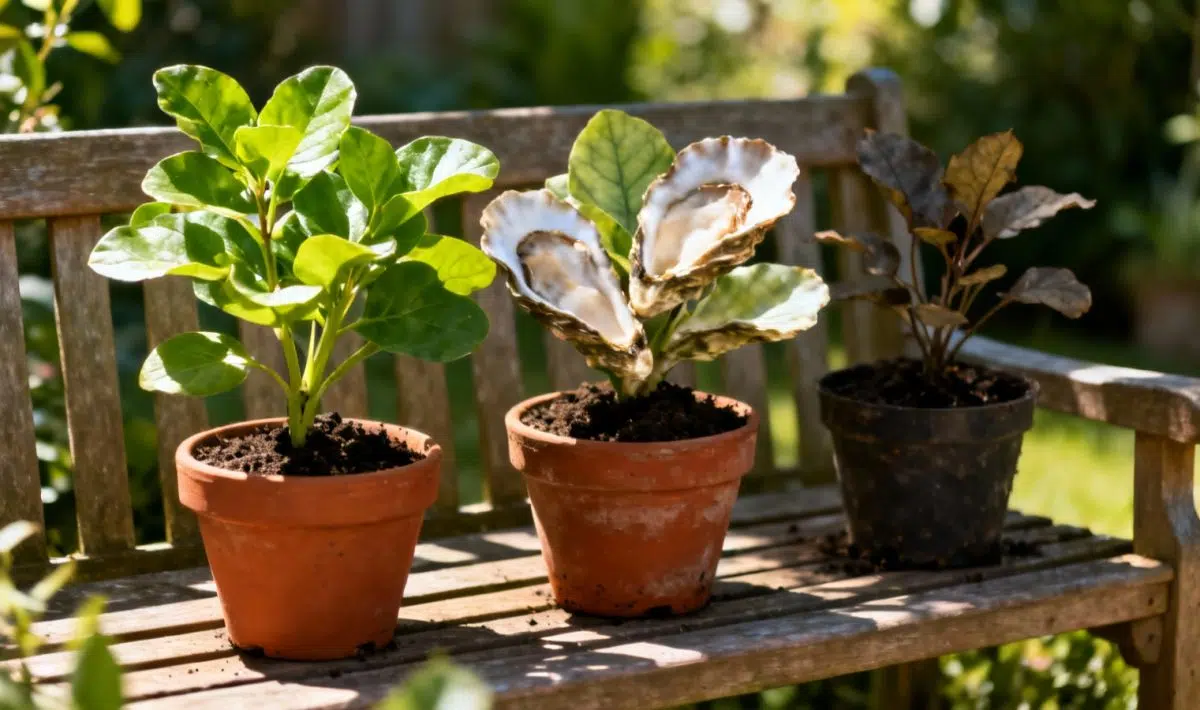
Healthy oyster plants display vibrant purple undersides on their leaves with rich green tops. The stems remain sturdy and compact rather than stretching toward light sources. New growth appears regularly, and the plant maintains its characteristic bushy appearance rather than becoming sparse or leggy.
Outdoor cultivation requirements
In outdoor gardens within USDA zones 9-11, oyster plants flourish in partial to full shade locations. Direct sunlight can damage the delicate foliage, causing leaf burn and fading of the beautiful purple coloration. Choose spots under tree canopies or alongside structures that provide natural shade during the hottest parts of the day.
Morning sunlight combined with afternoon shade creates optimal outdoor conditions. This exposure pattern allows the plant to photosynthesize effectively while protecting it from intense midday heat. Similar principles apply to other shade-loving plants, just as sunlight requirements for prayer plants demonstrate the importance of filtered light for tropical species.
Seasonal light adjustments
During summer months, oyster plants benefit from extra protection against intense sunlight. Use shade cloth or natural barriers to filter harsh rays. In contrast, winter positioning can accommodate slightly more direct light since the sun’s intensity decreases significantly during cooler months.
Maximizing growth with proper care
Beyond lighting, successful oyster plant cultivation requires attention to soil moisture and humidity levels. These plants prefer consistently moist but well-draining substrat, similar to conditions preferred by mushroom cultivation. The combination of proper lighting and adequate water creates the perfect environment for robust growth.
Temperature stability enhances light utilization efficiency. Maintain indoor temperatures between 65-75°F (18-24°C) for optimal photosynthesis. Fluctuating temperatures can stress the plant even when lighting conditions are perfect, reducing overall health and growth rates.
Understanding light needs extends beyond oyster plants to many garden varieties. For instance, sunlight needs for growing strawberries differ significantly, requiring full sun conditions unlike the shade preferences of oyster plants.
Common lighting problems and solutions
Yellowing leaves often indicate too much direct sunlight, while pale, stretched growth suggests insufficient light. Brown leaf tips typically result from intense afternoon sun exposure combined with low humidity. Address these issues by relocating the plant or adjusting your lighting setup accordingly.
If leaves lose their purple coloration, gradually increase light exposure over several days. Sudden changes in lighting can shock the plant, so make adjustments slowly to allow proper acclimatization. This gentle approach prevents stress while encouraging the return of vibrant coloration.
Artificial lighting alternatives
Full-spectrum LED lights provide excellent results for indoor oyster plant cultivation. Position lights 12-18 inches above the plant and run them for 12-14 hours daily. This setup mimics natural sunlight patterns while giving you complete control over light intensity and duration.
Companion planting and light considerations
When planning your culinary garden, consider plants with similar light requirements for efficient space utilization. Herbs like parsley and chives thrive in partial shade conditions alongside oyster plants. This approach maximizes your growing area while ensuring all plants receive appropriate lighting.
Avoid pairing oyster plants with sun-loving vegetables like optimal sunlight for maize plants, which require completely different growing conditions. Instead, focus on shade-tolerant varieties that complement your oyster plant’s needs.
Some gardeners successfully grow oyster plants alongside other tropical houseplants that share similar requirements. Plants like light needs for Heart of Jesus plant demonstrate how understanding specific light requirements helps create thriving plant communities.
Harvesting and maintenance tips
Proper lighting directly impacts harvest quality and timing. Well-lit oyster plants produce tender, flavorful leaves perfect for culinary use. Harvest outer leaves regularly to encourage new growth, always leaving the central growing point intact for continued production.
Regular pruning maintains plant shape while ensuring light penetrates throughout the foliage. Remove any yellowed or damaged leaves promptly to redirect energy toward healthy growth. This practice also improves air circulation, reducing disease risks in humid conditions.
Understanding light requirements for various garden plants, including sunlight requirements for selfheal plants, helps create diverse, successful growing spaces that cater to different plant needs while maximizing your garden’s potential.
Conclusion and growing success
Successfully growing oyster plants depends largely on providing the right amount of filtered sunlight – typically 3 to 6 hours daily in partial shade conditions. Whether growing indoors with bright indirect light or outdoors in protected areas, these adaptable plants reward proper care with beautiful foliage and excellent culinary potential.
Remember that consistent, gentle lighting produces better results than intense, sporadic exposure. Monitor your plants regularly for signs of light stress, and don’t hesitate to adjust positioning or supplement with artificial lighting when needed. With attention to these details, your oyster plants will thrive and provide years of gardening satisfaction.
Allan is a lifelong gardening enthusiast who still gets excited when the first seedlings pop up in spring. With a deep love for nature and a hands-in-the-soil approach, he shares practical tips, plant discoveries, and clever tricks picked up over years of digging, planting, and observing. Whether you’re a new gardener or have a shed full of tools, Allan writes like a neighbor who’s always happy to swap cuttings and stories over the fence.
You can find more about Allan’s work on Malt or connect with him on LinkedIn.