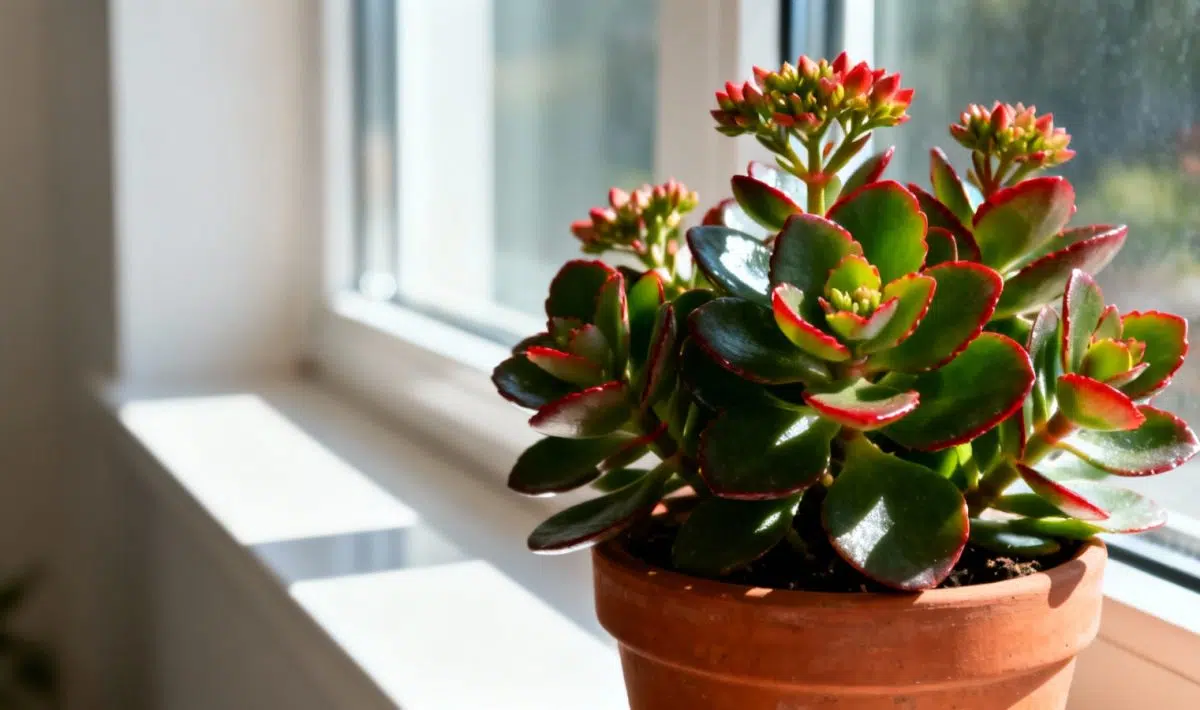
How much sunlight does florist kalanchoe need for optimal care
If you’ve ever wondered about the perfect lighting conditions for your florist kalanchoe, you’re not alone. This vibrant succulent has specific needs when it comes to sunlight, and getting it right makes all the difference between a thriving plant with abundant blooms and one that struggles to survive. Understanding how much sunlight does florist kalanchoe need is essential for any plant enthusiast looking to keep these colorful beauties happy.
Florist kalanchoe plants are naturally adapted to warm environments where they receive bright, filtered light rather than intense direct sunlight. These remarkable plants have evolved thick, fleshy leaves that store water, making them perfect for indoor cultivation. However, their succulent nature doesn’t mean they can tolerate harsh, direct sun exposure without consequences.
The key to successful kalanchoe care lies in mimicking their preferred natural conditions. In their native habitats, these plants typically grow under the partial shade of larger vegetation, receiving plenty of bright light without the scorching intensity of midday sun. This understanding forms the foundation for proper indoor placement and care.
Optimal light conditions for healthy kalanchoe plants
Your kalanchoe thrives best with bright, indirect sunlight for approximately 12-14 hours daily. This means placing your plant near a window where it receives abundant light without direct sun rays hitting the leaves. East or west-facing windows are particularly ideal, as they provide gentle morning or evening light that won’t cause leaf burn.
When considering placement, think about the quality of light rather than just quantity. Bright, filtered light encourages healthy growth and vibrant blooms, while maintaining the plant’s natural color and structure. Too little light causes the stems to stretch and weaken, a condition known as etiolation, while excessive direct sunlight can scorch the delicate leaves.
For those managing multiple plants with different light requirements, it’s worth noting that various species have unique needs. For instance, understanding sunlight requirements for strawberries can help you create diverse growing environments in your space.
Placement strategies for indoor kalanchoe care
The positioning of your kalanchoe within your home significantly impacts its health and flowering potential. South-facing windows can work well if you provide some protection from intense afternoon sun, perhaps with a sheer curtain or by placing the plant slightly back from the glass. This setup ensures your plant receives the warm, bright conditions it craves without risking damage.
Navigation around your living space should consider how light changes throughout the day. Morning light tends to be gentler and more beneficial for kalanchoe plants than harsh afternoon sun. When you observe your plant’s response to its current location, look for signs of contentment: compact growth, vibrant leaf color, and regular flowering cycles.
Consider rotating your plant periodically to ensure even light exposure on all sides. This simple practice prevents your kalanchoe from growing lopsided as it reaches toward the light source. The goal is to maintain balanced, symmetrical growth that showcases the plant’s natural beauty.
Seasonal adjustments and light management
As seasons change, so do your kalanchoe’s lighting needs. During winter months when natural light becomes scarce, you might need to move your plant closer to windows or consider supplemental lighting. The reduced daylight hours can affect flowering cycles, making it essential to maximize available natural light exposure.
Summer brings different challenges, particularly if you live in an area with intense heat. During these warm days, protect your kalanchoe from peak afternoon sun while still ensuring it receives adequate bright light throughout the day. This balance prevents stress while maintaining healthy growth patterns.
Indoor gardeners often find success by adjusting plant placement seasonally, much like managing other light-sensitive plants. Understanding different species’ needs, such as oyster plant sunlight needs, can help you develop effective strategies for your entire plant collection.
Signs your kalanchoe needs lighting adjustments
Your kalanchoe will communicate its lighting needs through various visual cues. Healthy plants display compact, sturdy growth with vibrant leaf colors and regular flowering cycles. When lighting conditions are optimal, the leaves maintain their natural thickness and the overall plant appears balanced and proportional.
Insufficient light typically manifests as elongated, pale stems that stretch toward light sources. The leaves may appear lighter in color, and flowering becomes infrequent or stops entirely. These symptoms indicate your plant needs brighter conditions or longer daily light exposure.
Conversely, too much direct sunlight causes leaf scorch, appearing as brown, crispy edges or pale, bleached spots on the foliage. If you notice these symptoms, immediately move your plant to a location with bright, indirect light and assess the damage. Most kalanchoe plants recover well from minor sun damage when promptly relocated.
Complementary care practices with proper lighting
While proper lighting forms the foundation of kalanchoe care, combining it with appropriate watering and soil conditions ensures optimal plant health. Well-draining soil prevents root rot, which can be exacerbated by inadequate light conditions that slow the plant’s ability to process water effectively.
The relationship between light and watering is particularly important for succulent care. Plants receiving adequate light can process water more efficiently, requiring more frequent watering during active growing periods. Conversely, plants in lower light conditions need less water to prevent problems associated with excess moisture.
When creating the ideal growing environment, consider how different plants complement each other’s needs. Some gardeners find success grouping plants with similar requirements, such as learning about selfheal plant sunlight conditions to create harmonious plant arrangements.
Propagation and young plant considerations
Young kalanchoe plants and newly propagated specimens have slightly different lighting needs compared to mature plants. These tender plants benefit from bright, indirect light but should be protected from any direct sun exposure until they establish strong root systems and develop thicker, more resilient leaves.
When starting kalanchoe from seeds or leaf cuttings, provide consistent, gentle light conditions that promote steady growth without stress. A location that receives bright morning light but afternoon shade often works perfectly for young plants during their establishment period.
As your propagated plants mature, gradually introduce them to the same lighting conditions you provide for adult specimens. This gentle transition helps ensure successful establishment and long-term plant health. Understanding various plant establishment needs, including maize sunlight requirements, can inform your approach to nurturing different species.
Troubleshooting common lighting issues
Even with careful attention to lighting requirements, you may encounter challenges with your kalanchoe’s health and appearance. Poor flowering often indicates insufficient light, while rapid, weak growth suggests the same problem. These issues typically resolve when you relocate the plant to brighter conditions.
Color changes in kalanchoe leaves can signal both too much and too little light. Some varieties naturally develop reddish or purple tints when exposed to bright light, which is normal and often desirable. However, persistent pale or yellowing leaves usually indicate lighting stress that requires adjustment.
If you’re managing a diverse plant collection with varying light needs, consider the specific requirements of each species. For example, understanding Heart of Jesus light needs can help you arrange plants strategically throughout your home to maximize growing success.
Creating the perfect kalanchoe environment
Success with florist kalanchoe comes from understanding that these plants appreciate consistency in their lighting conditions. Once you find the perfect spot that provides bright, indirect light for most of the day, your kalanchoe will reward you with robust growth and spectacular flowering displays.
Remember that proper lighting works hand-in-hand with other care elements to create an environment where your kalanchoe can truly thrive. With the right balance of bright, indirect sunlight, appropriate watering, and good drainage, your florist kalanchoe will become a stunning centerpiece in your indoor garden for years to come.
Allan is a lifelong gardening enthusiast who still gets excited when the first seedlings pop up in spring. With a deep love for nature and a hands-in-the-soil approach, he shares practical tips, plant discoveries, and clever tricks picked up over years of digging, planting, and observing. Whether you’re a new gardener or have a shed full of tools, Allan writes like a neighbor who’s always happy to swap cuttings and stories over the fence.
You can find more about Allan’s work on Malt or connect with him on LinkedIn.