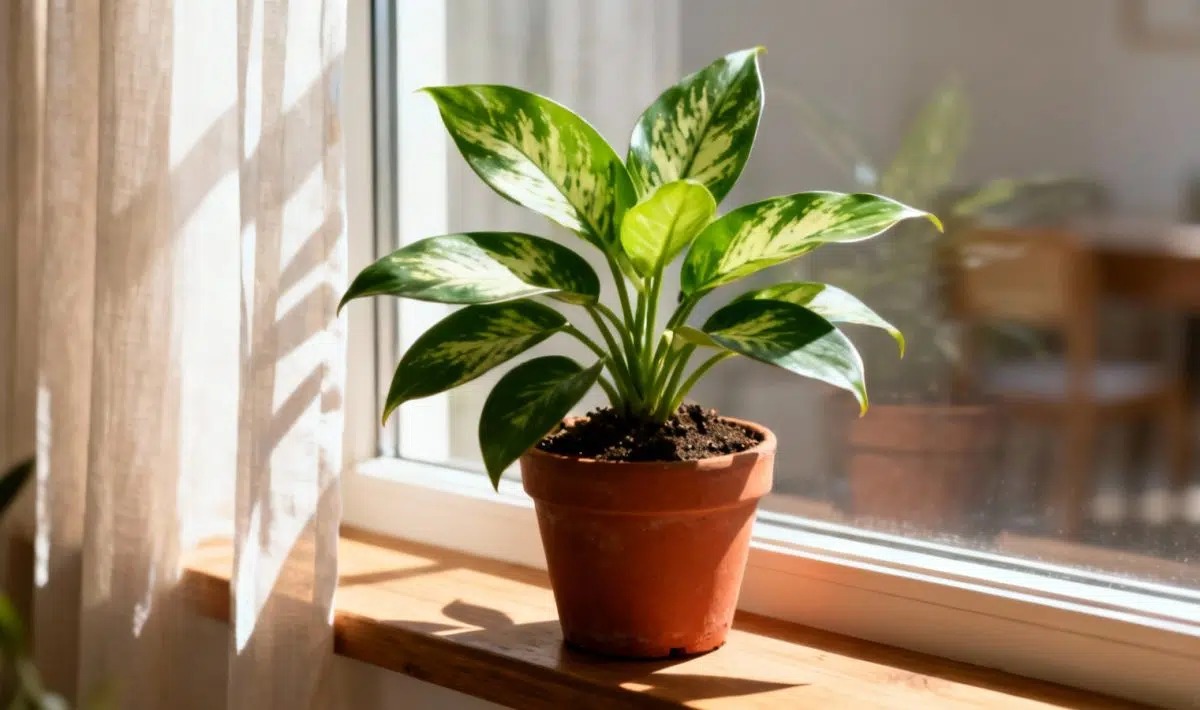
How much sunlight does chinese evergreen need for indoor growing
Chinese evergreen plants are among the most beloved houseplants for good reason. These stunning tropical beauties can transform any space with their colorful foliage, and the best part? They’re remarkably forgiving when it comes to light requirements. If you’re wondering how much sunlight does chinese evergreen need, you’ll be pleased to know that these adaptable plants thrive in low to moderate indirect light conditions.
Understanding your plant’s lighting needs is crucial for its long-term health and vibrant appearance. Chinese evergreens naturally grow under the forest canopy in Southeast Asia, which means they’ve evolved to flourish in filtered, gentle light rather than harsh direct sun. This makes them perfect companions for modern indoor living, where bright windows aren’t always available.
Understanding light requirements for chinese evergreen
The Chinese evergreen thrives best with 50 to 250 foot-candles of light, which translates to approximately 500 to 2,500 lux. To put this in perspective, that’s the equivalent of sitting about 3 to 6 feet away from a north-facing window on a typical day. Your plant will show you it’s happy through its steady growth and vibrant leaf patterns.
These plants can tolerate surprisingly low light conditions, surviving with as little as 10 to 50 foot-candles. However, don’t expect rapid growth in such dim conditions. Research shows that photosynthesis rates can drop by 30 to 50 percent when light levels fall below 100 lux, though the plant won’t suffer permanent damage.
The key is finding that sweet spot where your Chinese evergreen gets enough light to maintain its beautiful coloring without being overwhelmed. Direct sunlight can quickly scorch the delicate leaves, leaving unsightly brown patches that won’t heal.
Optimal placement strategies for your plant
Finding the perfect spot for your Chinese evergreen doesn’t have to be complicated. East-facing windows provide gentle morning light that most Chinese evergreens absolutely love. The sun is less intense in the morning, giving your plant a nice energy boost without the risk of leaf burn.
North-facing windows are another excellent choice, offering consistent, moderate light throughout the day. These locations rarely receive direct sun, which makes them ideal for plants that prefer indirect lighting. You can place your Chinese evergreen directly in front of a north window without worry.
For south or west-facing windows, position your plant about 3 to 5 feet away from the glass. This distance provides adequate light while protecting those gorgeous leaves from harsh afternoon rays. You might also consider using sheer curtains to filter the light naturally. Just as different plants have varying needs, understanding specific requirements helps optimize growth – for instance, learning about sunlight requirements for Chinese privet can provide valuable insights into plant care techniques.
Signs your plant is getting the right amount of light
A happy Chinese evergreen will show steady, consistent growth with vibrant leaf colors. The variegated patterns should remain crisp and well-defined, not faded or washed out. New leaves will emerge regularly, typically every few weeks during the growing season.
The plant should maintain its compact, bushy shape without becoming leggy or stretching toward the light source. Healthy leaves will have a slight glossy sheen and feel firm to the touch, not thin or papery.
Troubleshooting common lighting problems
When your Chinese evergreen isn’t getting enough light, it will let you know through several telltale signs. The most obvious indicator is leggy growth, where the stems stretch toward the nearest light source, creating an unbalanced appearance. Leaf colors may also fade, with variegated patterns becoming less pronounced.
Growth will slow significantly or stop altogether in severely low-light conditions. New leaves might emerge smaller than usual or appear pale green instead of their characteristic rich colors. These symptoms don’t mean your plant is dying, but they indicate it needs better lighting conditions.
On the flip side, too much direct light causes equally obvious problems. Leaves develop brown, crispy edges or large brown patches where the sun has literally burned the tissue. The plant may also wilt during the hottest parts of the day, even when the soil is adequately moist.
Solutions for inadequate lighting
If natural light is limited in your space, don’t despair. LED grow lights can provide excellent supplemental lighting for your Chinese evergreen. Position a full-spectrum LED light about 12 to 18 inches above your plant and run it for 10 to 12 hours daily.
Another simple solution is rotating your plant weekly. This ensures all sides receive equal light exposure, promoting balanced growth and preventing the plant from leaning toward the light source. Even small adjustments in placement can make a significant difference. For example, understanding how optimal sunlight for growing pineapple affects plant development can inspire creative lighting solutions for your indoor garden.
Consider using mirrors or light-colored surfaces to reflect additional light toward your plant. A simple white poster board placed behind your Chinese evergreen can increase the ambient light it receives by up to 30 percent.
Seasonal light adjustments
Your Chinese evergreen’s lighting needs may change with the seasons. During winter months, when days are shorter and sunlight is weaker, you might need to move your plant closer to a window or supplement with artificial lighting. The reduced daylight hours can slow growth, which is completely normal.
Summer presents the opposite challenge, with stronger, more intense sunlight that might overwhelm your plant. You may need to move your Chinese evergreen further from windows or add sheer curtains for protection. Pay attention to how your plant responds and adjust accordingly.
Spring and fall typically offer the most balanced lighting conditions for indoor plants. These transitional seasons provide moderate light intensity that most Chinese evergreens find ideal for active growth. This is often when you’ll see the most new leaf production and vibrant coloring.
Creating the perfect indoor environment
Remember that lighting works in harmony with other care factors like watering and humidity. A well-lit Chinese evergreen will use more water than one in low light, so adjust your watering schedule accordingly. The soil should dry out slightly between waterings, but never become bone dry.
Humidity also plays a crucial role in how well your plant processes available light. Chinese evergreens prefer humidity levels between 40 and 60 percent, which helps them photosynthesize more efficiently. You can increase humidity with a pebble tray, humidifier, or by grouping plants together.
Good air circulation helps prevent fungal problems that can develop in humid conditions. Position your plant where it will receive gentle air movement, but avoid placing it directly in the path of heating or cooling vents. Understanding various plant needs, such as learning about watermelon sunlight needs for growth, can broaden your gardening knowledge and improve overall plant care.
Advanced lighting techniques
For serious plant enthusiasts, understanding light quality can take your Chinese evergreen care to the next level. These plants respond well to full-spectrum lighting that mimics natural sunlight. LED grow lights with adjustable spectrums allow you to fine-tune the light your plant receives throughout different seasons.
Light duration is just as important as intensity. Chinese evergreens benefit from consistent light cycles, ideally receiving 10 to 12 hours of light daily. Using a timer ensures your plant gets reliable lighting even when you’re busy or traveling.
Consider the distance between your plant and artificial light sources carefully. Too close, and you risk light burn; too far, and the light becomes ineffective. Most LED grow lights should be positioned 12 to 24 inches from your Chinese evergreen, depending on the light’s intensity. Similar principles apply when considering adequate sunlight for spearmint plants, where proper distance and duration are crucial.
Monitoring and measuring light levels
A light meter can help you measure exactly how much light your plant receives in different locations. These inexpensive tools take the guesswork out of plant placement and help you make informed decisions about supplemental lighting.
Smartphone apps can also measure light levels reasonably accurately for general plant care purposes. While not as precise as dedicated light meters, they’re convenient for quick assessments when rearranging your plant collection.
Long-term care and maintenance
Consistency is key when caring for Chinese evergreens. Once you’ve found the perfect lighting conditions, try to maintain them as much as possible. Sudden changes in light levels can stress the plant and affect its growth patterns.
Regular monitoring helps you catch lighting problems early. Check your plant weekly for signs of stress or changes in growth patterns. Healthy Chinese evergreens are remarkably stable, but they’ll communicate their needs if you know what to look for.
Dust can accumulate on leaves over time, reducing their ability to photosynthesize effectively. Gently wipe leaves with a damp cloth monthly to keep them clean and maximize light absorption. This simple maintenance task can significantly improve your plant’s overall health and appearance. Learning from diverse plant care experiences, such as understanding sunlight conditions for staghorn sumac, enriches your knowledge of how different species respond to various lighting conditions.
With proper lighting and consistent care, your Chinese evergreen will reward you with years of beautiful foliage and steady growth. These adaptable plants are forgiving enough for beginners yet sophisticated enough to satisfy experienced plant parents. The key is understanding that less is often more when it comes to sunlight requirements, making them perfect for modern indoor environments where bright light isn’t always available.
Allan is a lifelong gardening enthusiast who still gets excited when the first seedlings pop up in spring. With a deep love for nature and a hands-in-the-soil approach, he shares practical tips, plant discoveries, and clever tricks picked up over years of digging, planting, and observing. Whether you’re a new gardener or have a shed full of tools, Allan writes like a neighbor who’s always happy to swap cuttings and stories over the fence.
You can find more about Allan’s work on Malt or connect with him on LinkedIn.