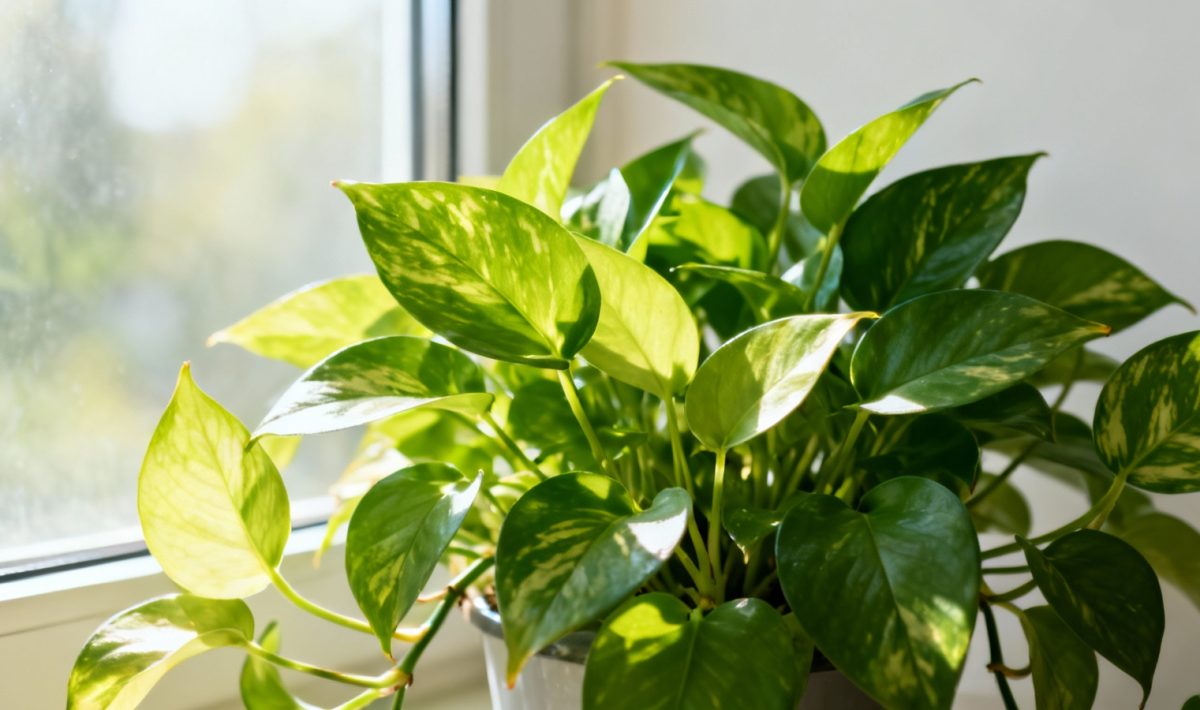
How much sunlight does satin pothos need for healthy growth
Your satin pothos, scientifically known as Scindapsus pictus, is one of those delightful houseplants that can transform your space with its silvery-spotted leaves. But here’s the thing – getting the light just right makes all the difference between a thriving plant and one that’s merely surviving. How much sunlight does satin pothos need? The answer lies in understanding this plant’s natural preferences and adapting them to your home environment.
Understanding your satin pothos and its light requirements
The satin pothos isn’t technically a pothos at all, but rather a member of the Scindapsus family. This gorgeous trailing plant originates from Southeast Asia, where it naturally grows as an epiphyte, climbing trees in filtered forest light. This background gives us crucial insight into what your plant craves – bright, indirect lighting that mimics its natural habitat.
In the wild, your satin pothos would never experience harsh, direct sunlight for extended periods. Instead, it thrives under the gentle, filtered light that passes through the forest canopy. Understanding this helps explain why these plants can be a bit finicky about their lighting conditions indoors.
The key to success lies in providing consistent, bright indirect light throughout the day. Your plant needs enough energy to maintain those stunning silver markings and healthy growth, but not so much that it gets stressed or burned.
The perfect light conditions for optimal growth
Bright, indirect light is your satin pothos’s best friend. This means placing your plant where it receives plenty of ambient light without direct sun rays hitting its leaves. A spot near an east-facing window often works wonderfully, as it provides gentle morning light followed by bright, indirect illumination for the rest of the day.
Your plant can tolerate some direct sunlight, but limit this to no more than 2-4 hours per day, preferably during the gentler morning or late afternoon hours. Too much direct sun will quickly fade those beautiful silver markings and can even burn the delicate leaves.
Medium light conditions are acceptable, though your plant won’t grow as vigorously. If you only have lower light areas available, your satin pothos will survive, but expect slower growth and potentially less vibrant foliage. The plant needs at least 4 hours of indirect light daily to maintain its health, especially during winter months.
Window placement strategies that work
South-facing windows can work beautifully for your satin pothos, but placement is everything. Position your plant about 3-6 feet away from the window, or use a sheer curtain to filter the intense afternoon light. This setup provides the bright conditions your plant loves while protecting it from harsh rays.
West-facing windows require similar caution, as they receive strong afternoon sun. A hanging basket positioned slightly back from the window or a plant stand that keeps the foliage out of direct light works well. Just like with other houseplants that need careful light management, such as when considering sunlight requirements for growing pineapple, positioning matters tremendously.
East and north-facing windows are often ideal locations. East windows provide that perfect morning sun followed by bright, indirect light, while north windows offer consistent, gentle illumination throughout the day. These exposures rarely require any additional filtering or special positioning.
Artificial lighting solutions
When natural light isn’t sufficient, grow lights can be your saving grace. LED grow lights work exceptionally well for satin pothos, and the distance matters significantly. For narrow beam lights (36° spread), position them 76-244 cm away from your plant. Wide beam lights (60° spread) should be placed 46-183 cm away.
Full-spectrum LED lights that include both blue and red wavelengths provide the best results. Your plant needs blue light for foliage growth and red light for overall health. Run your artificial lights for 12-14 hours daily if they’re supplementing natural light, or 14-16 hours if they’re the primary light source.
Timer-controlled lighting helps maintain consistency, which your satin pothos absolutely loves. Plants thrive on routine, and consistent lighting schedules help promote steady growth and maintain those gorgeous silver patterns on the leaves.
Recognizing and fixing light problems
Your satin pothos will tell you when something’s wrong with its lighting. Leaves turning pale, yellow, or losing their silver markings usually indicate too much direct light. If you notice crispy, brown edges or bleached-looking foliage, move your plant to a location with more filtered light immediately.
On the flip side, insufficient light causes its own set of problems. Long, spindly growth with large gaps between leaves (called etiolation) is a classic sign your plant needs brighter conditions. The silver markings may also become less pronounced or disappear entirely in low light situations.
Small, pale new leaves or extremely slow growth also indicate your plant isn’t getting enough energy from its current lighting. Unlike plants that can tolerate extreme conditions like when determining optimal sunlight for growing watermelon, your satin pothos prefers consistency over intensity.
Complementary care factors
While light is crucial, other factors work together to keep your satin pothos happy. Humidity levels between 40-60% complement proper lighting beautifully. Higher humidity helps your plant process light more efficiently and maintains those glossy, healthy-looking leaves.
Watering should be adjusted based on your lighting conditions. Plants in brighter light will use water more quickly than those in lower light situations. Allow the top inch of soil to dry between waterings, but don’t let your plant get bone dry.
Good drainage is essential regardless of your lighting setup. Use a well-draining potting mix and ensure your container has drainage holes. Soggy soil combined with low light creates perfect conditions for root rot, which can quickly kill your beautiful plant.
Seasonal lighting adjustments
Your satin pothos’s light needs change with the seasons, just like many other houseplants. During winter months, when natural light is weaker and days are shorter, you might need to move your plant closer to windows or supplement with artificial lighting.
Summer often requires the opposite approach – moving plants slightly further from windows or adding sheer curtains to prevent leaf burn. Monitor your plant’s response to seasonal changes and adjust accordingly. This adaptability is quite different from outdoor plants, such as herbs like sunlight needs for healthy spearmint, which follow more predictable seasonal patterns.
Spring is an excellent time to gradually increase light exposure as your plant emerges from its winter dormancy. This encourages new growth and helps restore vibrant coloration that may have faded during the darker months.
Creating the perfect growing environment
Beyond just providing the right amount of light, think about creating an overall environment where your satin pothos can thrive. Grouping plants together can help increase local humidity while sharing similar light conditions. This approach works particularly well with other trailing or climbing varieties.
Consider the specific location within your chosen room. Areas near heating vents or air conditioning units can create microclimates that affect how your plant processes light. Stable temperatures between 65-80°F work best, allowing your plant to efficiently use the light you provide.
Regular rotation helps ensure even growth and prevents your plant from leaning heavily toward its light source. Turn your satin pothos a quarter turn every week or two, just as you might with flowering plants like ideal sunlight for shasta daisies to maintain balanced growth.
Troubleshooting common lighting mistakes
One of the most common mistakes is assuming that more light always equals better growth. Your satin pothos can actually become stressed in excessively bright conditions, leading to washed-out foliage and stunted growth. Finding that sweet spot of bright, indirect light takes some observation and adjustment.
Another frequent error is inconsistent lighting. Moving your plant frequently or having dramatic changes in light levels can stress your satin pothos. Once you find a good location, try to keep it there unless you notice specific problems.
Don’t forget that dust on leaves can significantly impact your plant’s ability to process light effectively. Clean the foliage monthly with a damp cloth to remove dust and keep those silver markings looking their best. This maintenance aspect is often overlooked but makes a real difference in plant health, similar to caring for other houseplants like sunlight needs for spider plants where leaf cleanliness affects light absorption.
Long-term success with your satin pothos
Successfully growing a thriving satin pothos comes down to understanding and consistently providing its preferred light conditions. Bright, indirect light for most of the day, protection from harsh direct sun, and adjustments based on seasonal changes will keep your plant healthy and beautiful for years to come.
Remember that every home is different, and what works in one location might need tweaking in another. Pay attention to your plant’s signals, make gradual adjustments when needed, and don’t be afraid to experiment with different positions until you find the perfect spot.
With the right lighting and a little patience, your satin pothos will reward you with gorgeous, silvery foliage and vigorous growth that can transform any room into a green sanctuary. The key is consistency, observation, and understanding that this beautiful plant simply wants to feel at home in conditions that mirror its natural habitat.
Allan is a lifelong gardening enthusiast who still gets excited when the first seedlings pop up in spring. With a deep love for nature and a hands-in-the-soil approach, he shares practical tips, plant discoveries, and clever tricks picked up over years of digging, planting, and observing. Whether you’re a new gardener or have a shed full of tools, Allan writes like a neighbor who’s always happy to swap cuttings and stories over the fence.
You can find more about Allan’s work on Malt or connect with him on LinkedIn.