
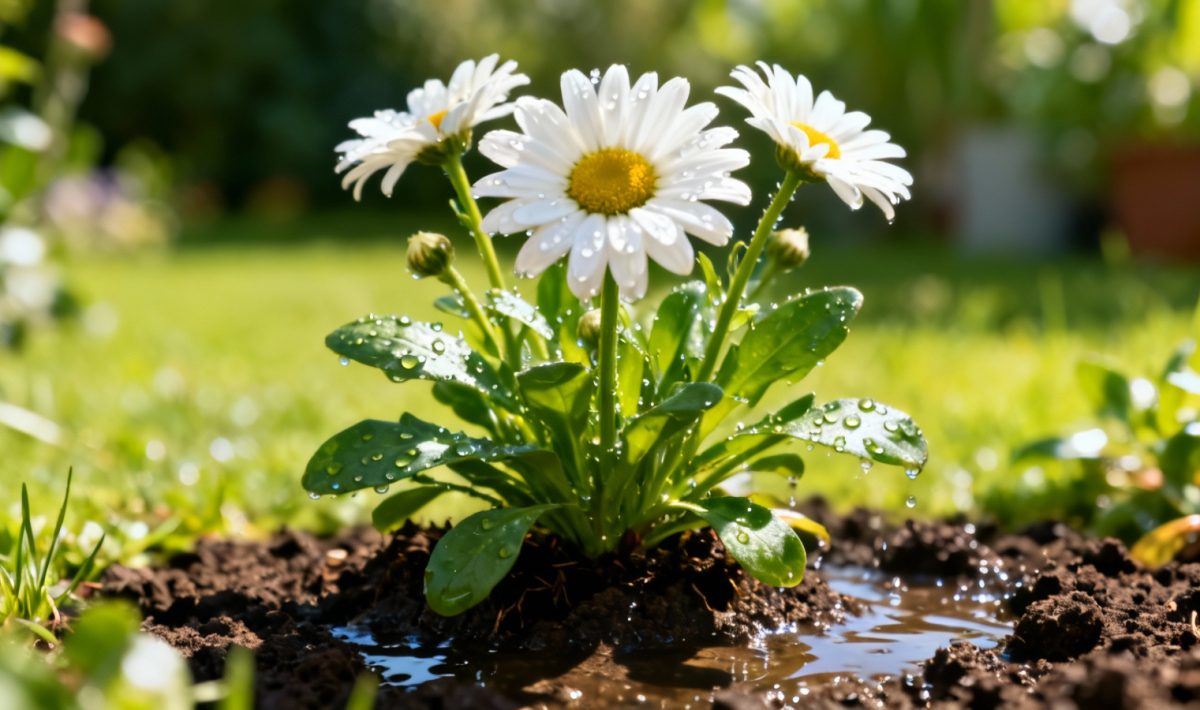
Shasta daisies are among the most beloved perennial flowers in gardens worldwide, and understanding how often should you water your Shasta daisy is crucial for their success. These hardy plants, with their classic white petals and sunny yellow centers, can transform any garden space into a vibrant wildflower paradise when given proper care.
Understanding Shasta daisy water requirements
The key to successful Shasta daisy care lies in providing consistent moisture without overdoing it. These resilient perennial plants prefer soil that stays evenly moist but never waterlogged. During the growing season from spring through fall, you should typically water your Shasta daisies 2-3 times per week, adjusting based on rainfall and temperature conditions.
Fast drainage is essential for these flowers, as standing water can quickly lead to root rot and other fungal issues. The perfect balance involves keeping the top 2-3 inches of soil slightly moist while ensuring excess water drains away efficiently.
Seasonal watering schedules for optimal growth
Spring represents the most critical period for establishing proper watering habits. As new growth emerges, your Shasta daisies will need regular moisture to support their rapid development. Water deeply 2-3 times weekly, providing about 1 inch of water each time.
Summer brings increased water needs due to higher temperatures and active flowering. During hot spells, you may need to increase watering frequency to every other day, especially for container-grown plants. Just like watering your Norfolk Island pine, consistency is key to preventing stress.
Fall watering should gradually decrease as temperatures cool and growth slows. Reduce frequency to 1-2 times per week, allowing plants to naturally prepare for dormancy. This approach helps strengthen root systems before winter.
Testing soil moisture like a pro
The finger test remains the most reliable method for determining when your Shasta daisies need water. Insert your finger 2-3 inches into the soil near the base of the plant. If it feels dry at this depth, it’s time to water.
For more precise measurements, consider investing in a moisture meter. These handy tools provide accurate readings and take the guesswork out of watering schedules. You can often find these products with fast shipping options from garden supply retailers.
Visual cues also help determine watering needs. Slightly wilted leaves in the morning indicate thirst, while yellowing lower leaves may suggest overwatering. Healthy Shasta daisies display vibrant green foliage and sturdy stems.
Best watering techniques for healthy blooms
Deep, infrequent watering proves more beneficial than frequent shallow sprinklings. This method encourages deep root development and improves drought tolerance. Apply water slowly at the base of plants, allowing it to soak in completely.
Morning watering is recommended as it gives plants time to absorb moisture before the day’s heat arrives. This timing also reduces the risk of fungal diseases that thrive in cool, moist conditions. Similar principles apply when watering your oleander plants correctly for optimal health.
Avoid overhead watering when possible, especially during flowering periods. Water droplets on petals can cause spotting and reduce the ornamental value of your blooms. Instead, use soaker hoses or drip irrigation systems for efficient, targeted watering.
Container vs. ground planting considerations
Potted Shasta daisies require more frequent attention than those planted in garden beds. Containers dry out faster due to increased air exposure and limited soil volume. Check container moisture daily during warm weather and be ready to water when the top inch feels dry.
Choose containers with adequate drainage holes and use high-quality potting mix that retains moisture while allowing excess water to escape. This setup mimics the ideal conditions these perennial flowers need to thrive.
Ground-planted specimens benefit from mulching around the base to conserve moisture and regulate soil temperature. Apply 2-3 inches of organic mulch, keeping it slightly away from the plant stems to prevent pest issues.
Common watering mistakes to avoid
Overwatering ranks as the most common error gardeners make with Shasta daisies. These hardy perennial plants are surprisingly drought-tolerant once established and prefer slightly dry conditions over soggy soil. Watch for signs like yellowing leaves, soft stems, or fungal growth that indicate excessive moisture.
Inconsistent watering patterns can stress plants and reduce flowering. Establishing a regular schedule helps your daisies develop strong root systems and reliable blooming patterns. Just as with how to water your porcelainflower, consistency delivers the best results.
Watering too late in the day can promote disease development. Evening watering leaves foliage wet overnight, creating perfect conditions for fungal problems that can damage your beautiful flowers.
Maximizing your investment in quality seeds
Starting with high-quality Shasta daisy seeds sets the foundation for gardening success. Look for reputable suppliers that offer fresh seeds with good germination rates and fast delivery options. Many online retailers now provide free shipping on seed orders, making it easy to stock up on your favorite varieties.
Consider purchasing seeds in different colors and sizes to create stunning wildflower displays. Some suppliers offer mixed packets that include various chrysanthemum relatives, providing extended bloom periods and diverse garden interest.
The low price point of quality seeds makes them an excellent investment for gardeners wanting maximum impact from their budget. With proper watering and care, a single packet can produce dozens of plants that will return year after year.
Enhancing your garden with complementary plantings
Shasta daisies pair beautifully with other perennial flowers that have similar water requirements. Consider planting them alongside other low-maintenance options that share their preference for well-draining soil and moderate moisture.
Creating themed garden sections with plants that have comparable needs simplifies maintenance and ensures all your flowers receive appropriate care. This approach is particularly helpful when managing watering schedules, similar to understanding proper watering for gladiolus blooms in mixed plantings.
The page of any quality gardening catalog will show you recommended companion plants that complement Shasta daisies perfectly. These combinations create stunning displays while maintaining practical growing requirements.
Ready to grow your perfect daisy garden
With proper watering knowledge, you’re now ready to create the Shasta daisy garden of your dreams. These resilient perennial flowers reward consistent care with abundant blooms that brighten any landscape from spring through fall.
Remember that successful gardening involves observing your plants and adjusting care as needed. What works perfectly for one garden may need slight modifications in another location, but the basic principles of proper watering remain constant.
Stock up on quality seeds and gardening products to ensure your Shasta daisies have everything they need to thrive. With the right start and consistent care, you’ll enjoy years of beautiful blooms that make every gardening effort worthwhile.

Allan is a lifelong gardening enthusiast who still gets excited when the first seedlings pop up in spring. With a deep love for nature and a hands-in-the-soil approach, he shares practical tips, plant discoveries, and clever tricks picked up over years of digging, planting, and observing. Whether you’re a new gardener or have a shed full of tools, Allan writes like a neighbor who’s always happy to swap cuttings and stories over the fence.
You can find more about Allan’s work on Malt or connect with him on LinkedIn.


