
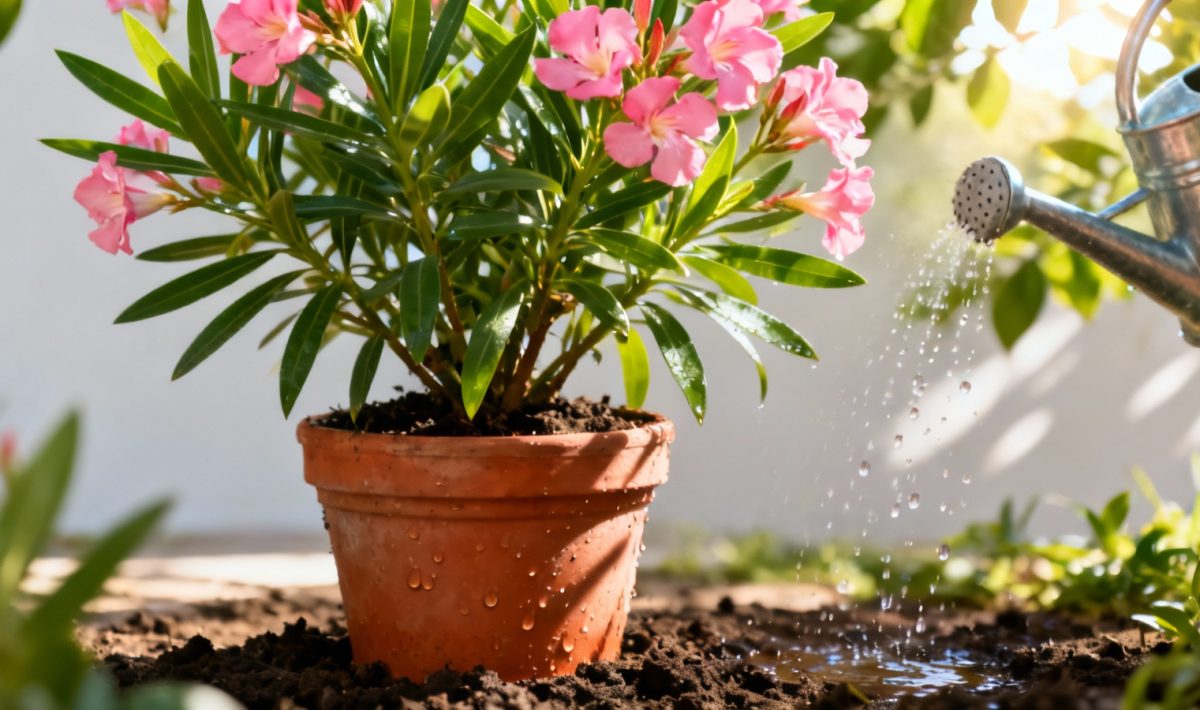
Understanding your oleander’s water needs
The oleander, also known as Nerium oleander, is a stunning Mediterranean plant that brings vibrant color to gardens worldwide. Despite its drought-tolerant reputation, understanding how often to water your oleander makes all the difference between a struggling plant and a flourishing beauty. This resilient shrub has specific watering requirements that vary dramatically with seasons, growing conditions, and plant maturity.
Native to the Mediterranean region, oleander plants have evolved to withstand dry periods while producing abundant blooms when properly hydrated. The key lies in finding the perfect balance – too little water and your plant will drop leaves and reduce flowering, while excessive watering can lead to root rot and other serious issues.
Seasonal watering schedules for oleander success
During spring and summer months, your oleander enters its most active growing phase. This is when the plant produces those gorgeous clusters of flowers that make it such a garden favorite. From March through October, you’ll need to water more frequently, typically providing deep irrigation 1-3 times per week depending on your climate and soil conditions.
The volume of water matters just as much as frequency. Each watering session should thoroughly saturate the root zone rather than providing light, surface moisture. For established plants in the ground, this means applying enough water to penetrate 12-18 inches deep into the soil.
Factors that influence oleander watering frequency
Temperature plays a crucial role in determining your watering schedule. During hot summer periods above 85°F, your oleander may require daily attention, especially if planted in containers. The Mediterranean origins of this plant mean it can handle heat, but it needs adequate moisture to maintain its lush appearance under stress.
Soil type significantly affects water retention and drainage. Sandy soils drain quickly and may require more frequent watering, while clay-heavy soils hold moisture longer but risk waterlogging. Always check soil moisture by inserting your finger 2-3 inches into the ground near the plant base.
Container-grown oleanders have entirely different needs compared to those planted directly in garden soil. Potted plants typically need water 2-3 times weekly during growing season, as containers dry out much faster than ground soil. Just like with a watering schedule for your Norfolk Island pine, consistency is key for container plants.
Recognizing proper watering techniques
The best time to water your oleander is early morning, allowing the plant to absorb moisture before the day’s heat intensifies. This timing reduces evaporation losses and gives your plant the hydration it needs for the day ahead. Avoid evening watering, which can promote fungal issues in humid climates.
Water temperature matters more than most gardeners realize. Room temperature water works best – avoid using very cold water from hoses that have been sitting in direct sunlight, as temperature shock can stress the plant. Similarly, optimal watering for porcelainflowers follows the same principle of maintaining consistent, comfortable conditions.
Apply water slowly at the base of the plant, allowing it to soak into the soil rather than running off. A soaker hose or drip irrigation system works exceptionally well for oleanders, providing steady, even moisture distribution without wetting the foliage unnecessarily.
Winter care and reduced watering needs
As temperatures drop and growth slows, your oleander’s water requirements decrease dramatically. From November through February, reduce watering to once every 10-14 days, or even less if you receive regular rainfall. The plant enters a semi-dormant state where excessive moisture can actually cause more harm than good.
During winter months, focus on protecting your oleander from freezing temperatures rather than maintaining summer watering schedules. In regions where temperatures drop below 20°F, container plants should be moved to protected locations, and their watering reduced to minimal levels.
Monitor soil moisture carefully during winter – the goal is to prevent complete drought while avoiding soggy conditions. Most established oleanders can survive on natural precipitation alone during cooler months, much like how healthy gladiolus bloom watering tips emphasize seasonal adjustments for optimal plant health.
Common watering mistakes to avoid
Over-watering ranks as the most frequent error with oleander care. Signs of excessive moisture include yellowing leaves, leaf drop, and a general decline in plant vigor. The toxic nature of oleander means you should always wear gloves when handling the plant, whether watering, pruning, or performing general maintenance.
Under-watering presents different symptoms: leaf edges may brown and curl, flower production decreases, and the overall plant appears stressed and wilted. However, don’t confuse temporary afternoon wilting in extreme heat with chronic under-watering – oleanders naturally conserve moisture during the hottest parts of the day.
Inconsistent watering creates more problems than slightly too much or too little water. Plants that receive erratic irrigation develop poor root systems and struggle to establish properly. Developing a routine, similar to Tutsan optimal growth watering guide recommendations, helps your oleander thrive long-term.
Advanced tips for oleander watering success
Mulching around your oleander helps maintain consistent soil moisture while reducing watering frequency. Apply a 2-3 inch layer of organic mulch, keeping it several inches away from the plant stem to prevent pest and disease issues.
For newly planted oleanders, increase watering frequency during the first year while roots establish. Young plants need more consistent moisture than mature specimens, though you should still allow soil to dry slightly between waterings.
Consider installing a moisture meter for precise monitoring, especially if you’re growing multiple plants with different needs. This tool takes the guesswork out of watering decisions and helps you develop better intuition about your plant’s requirements over time.
Remember that oleander plants grown in different conditions may have varying needs. Those planted in full sun locations typically require more frequent watering than plants in partial shade, while watering spearmint for thriving growth demonstrates how location affects all plant watering needs.
Creating your personalized watering schedule
Start by observing your specific growing conditions: soil type, sun exposure, local climate, and seasonal weather patterns. These factors will determine whether you need to water your oleander once weekly or three times per week during peak growing season.
Keep a simple garden journal noting watering dates, weather conditions, and plant response. Over time, you’ll develop an intuitive understanding of exactly when your oleander needs water, leading to healthier growth and more abundant blooms.
With proper watering practices, your oleander will reward you with years of beautiful flowers and robust growth. Remember that consistency trumps perfection – regular, appropriate watering will always produce better results than sporadic, intensive care efforts.

Allan is a lifelong gardening enthusiast who still gets excited when the first seedlings pop up in spring. With a deep love for nature and a hands-in-the-soil approach, he shares practical tips, plant discoveries, and clever tricks picked up over years of digging, planting, and observing. Whether you’re a new gardener or have a shed full of tools, Allan writes like a neighbor who’s always happy to swap cuttings and stories over the fence.
You can find more about Allan’s work on Malt or connect with him on LinkedIn.


