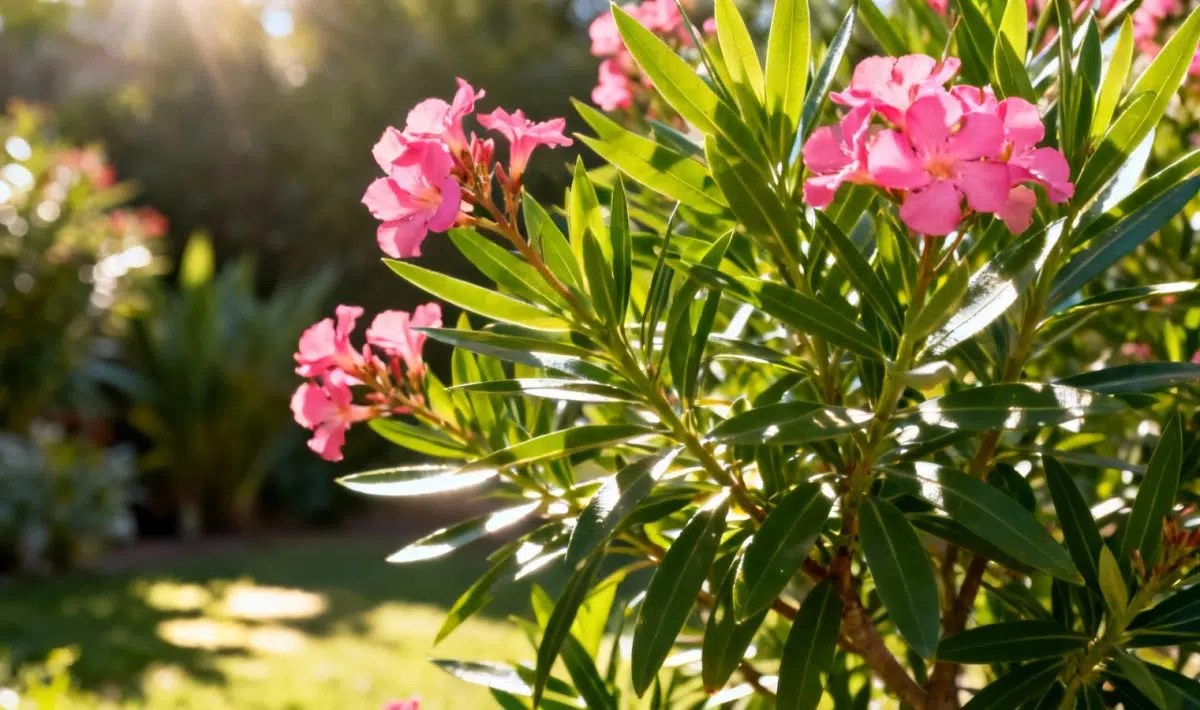
How much sunlight does oleander need for optimal growth and care
If you’re wondering how much sunlight does oleander need, you’ve come to the right place. Nerium oleander, commonly known as oleander, is a stunning Mediterranean shrub that brings vibrant blooms to any garden. Understanding your oleander’s light requirements is crucial for achieving those gorgeous flowers you’re looking for.
Oleander is a sun-loving plant that thrives in bright conditions, much like its native Mediterranean habitat. This hardy shrub has evolved to handle intense sunlight, which explains why it performs so well in sunny locations. Your oleander needs at least 6 hours of direct sunlight daily for optimal growth and flowering.
The plant’s thick, leathery leaves are perfectly adapted to withstand strong sun exposure. However, understanding seasonal variations helps you give your oleander the best care throughout the year. During summer months, oleander reaches its peak growing season and benefits from extended sun exposure.
For gardeners growing other sun-loving plants, you might find it interesting that similar considerations apply to oregano’s sunlight requirements, though each plant has its unique needs.
Optimal sun exposure for your oleander
Your oleander performs best with 8 or more hours of direct sunlight daily. This generous amount of sun ensures vigorous growth and abundant flowering. Choose a location in your garden that receives morning sun, as this helps the plant start its daily photosynthesis early.
In temperate climates, full sun exposure rarely causes problems for oleander. The plant’s natural adaptations make it well-suited for bright conditions. However, in extremely hot climates where temperatures regularly exceed 35°C, providing light afternoon shade can prevent stress without compromising flower production.
When selecting the perfect spot, look for areas with good air circulation and protection from strong winds. This combination of bright light and gentle airflow creates ideal growing conditions for your oleander.
Signs your oleander needs more light
Recognizing when your oleander isn’t getting enough sunlight helps you take corrective action quickly. The most obvious sign is reduced flowering – oleanders grown in insufficient light produce fewer blooms or may not flower at all.
You’ll also notice leggy growth patterns when light is inadequate. The plant stretches toward available light sources, creating an unbalanced appearance. Pale or yellowing leaves, particularly on lower branches, indicate your oleander is struggling with limited sun exposure.
If you notice these symptoms, consider relocating your potted oleander or pruning nearby vegetation that might be blocking sunlight. Just as sunlight requirements for selloum plants vary by growing conditions, oleander’s needs can change as surrounding plants mature.
Caring for oleander in full sun
Growing oleander in bright conditions requires attention to watering and soil drainage. While the plant tolerates drought well once established, consistent moisture during the growing season supports healthy development and abundant flowering.
Water deeply but infrequently, allowing soil to dry slightly between waterings. This approach encourages deep root development, which helps your oleander access moisture during dry periods. Mulching around the base conserves soil moisture and keeps roots cool during hot summer days.
Regular feeding with a balanced fertilizer supports vigorous growth in sunny locations. Apply fertilizer in early spring as new growth begins, then again in midsummer to sustain flowering throughout the season.
Protection strategies for extreme heat
Even sun-loving oleanders can benefit from protection during exceptionally hot weather. Temporary shade cloth providing 20-30% shade during the hottest part of the day prevents leaf scorch while maintaining adequate light levels for good flowering.
Consider the microclimate in your garden when positioning your oleander. Areas near south-facing walls or paved surfaces can become extremely hot, potentially stressing even these hardy plants. Strategic placement helps your oleander thrive without compromising its sun exposure.
Interestingly, other plants have different heat tolerance levels – for instance, light needs of Jimsonweed show how various species adapt differently to intense conditions.
Indoor and container growing considerations
If you’re growing oleander in containers, placement becomes even more critical for meeting light requirements. Position your potted oleander where it receives maximum sun exposure, rotating the container periodically to ensure even growth on all sides.
South-facing patios, decks, or garden areas typically provide the best light conditions for container-grown oleanders. However, remember that containers heat up more quickly than garden soil, so monitor soil moisture carefully during hot weather.
For indoor growing, oleanders need the brightest location possible – ideally a south-facing window with unobstructed light. Supplement with grow lights if natural light is insufficient, aiming for 12-14 hours of combined natural and artificial light daily.
Seasonal light adjustments
Your oleander’s light needs remain fairly consistent throughout the growing season, but winter care requires different considerations. In colder climates, container-grown oleanders often move indoors, where providing adequate light becomes challenging.
During winter months, even though growth slows, maintaining bright conditions helps prevent problems when spring arrives. If moving your oleander indoors for winter protection, place it in the brightest available location and consider supplemental lighting.
Much like growing rutabaga in sunlight requires understanding seasonal changes, oleander care adapts to varying light conditions throughout the year.
Common light-related problems and solutions
Poor flowering is the most common issue with insufficient light exposure. If your oleander produces plenty of foliage but few flowers, inadequate sunlight is likely the culprit. Moving the plant to a sunnier location or removing shade-casting obstacles usually resolves this problem.
Conversely, leaf scorch in extremely hot climates indicates too much intense sun without adequate moisture. Increasing watering frequency during heat waves or providing temporary afternoon shade helps prevent this issue.
Remember that oleander is toxic to humans and pets, so placement should consider safety alongside light requirements. Choose locations that provide excellent sun exposure while keeping the plant away from areas where children or animals spend time regularly.
Maximizing flower production
For the most spectacular blooms, combine optimal light exposure with proper nutrition and pruning practices. Deadhead spent flowers regularly to encourage continuous blooming throughout the season.
Prune your oleander after flowering ends to maintain shape and remove any weak or damaged growth. This timing allows the plant to develop new growth that will produce next season’s flowers while taking advantage of remaining good weather.
Just as optimal sunlight for pineapple growth requires specific conditions, oleander flowering depends on consistent bright light combined with appropriate care practices.
Creating the perfect growing environment
Success with oleander comes from understanding that this Mediterranean beauty thrives with abundant sunshine, good drainage, and regular but not excessive watering. Choose your planting location carefully, considering both current and future shade patterns as surrounding plants mature.
Companion planting with other sun-loving Mediterranean plants creates an attractive, low-maintenance garden design. Lavender, rosemary, and similar plants share oleander’s preference for bright conditions and well-drained soil.
For gardeners dealing with partially shaded areas, understanding how different plants respond to varying light levels helps in garden planning. Plants like sunlight needs for creeping buttercup show how species adapt to different light conditions.
Long-term care and maintenance
Established oleanders are remarkably low-maintenance when grown in appropriate light conditions. Regular monitoring for pests and diseases, combined with annual pruning and occasional fertilizing, keeps your plants healthy and productive for many years.
As your oleander matures, its sun requirements remain consistent, but the plant becomes more drought-tolerant and resilient to weather extremes. This makes oleander an excellent choice for sustainable, low-water gardening in sunny locations.
By providing your oleander with the abundant sunshine it craves, you’ll be rewarded with vigorous growth, stunning flowers, and a plant that brings Mediterranean charm to your garden for years to come.
Allan is a lifelong gardening enthusiast who still gets excited when the first seedlings pop up in spring. With a deep love for nature and a hands-in-the-soil approach, he shares practical tips, plant discoveries, and clever tricks picked up over years of digging, planting, and observing. Whether you’re a new gardener or have a shed full of tools, Allan writes like a neighbor who’s always happy to swap cuttings and stories over the fence.
You can find more about Allan’s work on Malt or connect with him on LinkedIn.