How much sunlight does creeping buttercup need for optimal growth
When you’re dealing with creeping buttercup in your garden, understanding its sunlight needs is crucial for managing this resilient plant effectively. Whether you’re trying to encourage it in certain areas or control its spread, knowing how much light it requires will help you make informed decisions about your garden management.
Creeping buttercup thrives in a surprisingly wide range of light conditions, which partly explains why it’s so successful in many gardens. This adaptable plant can handle everything from full sun to partial shade, though its growth patterns will vary depending on the amount of light it receives.
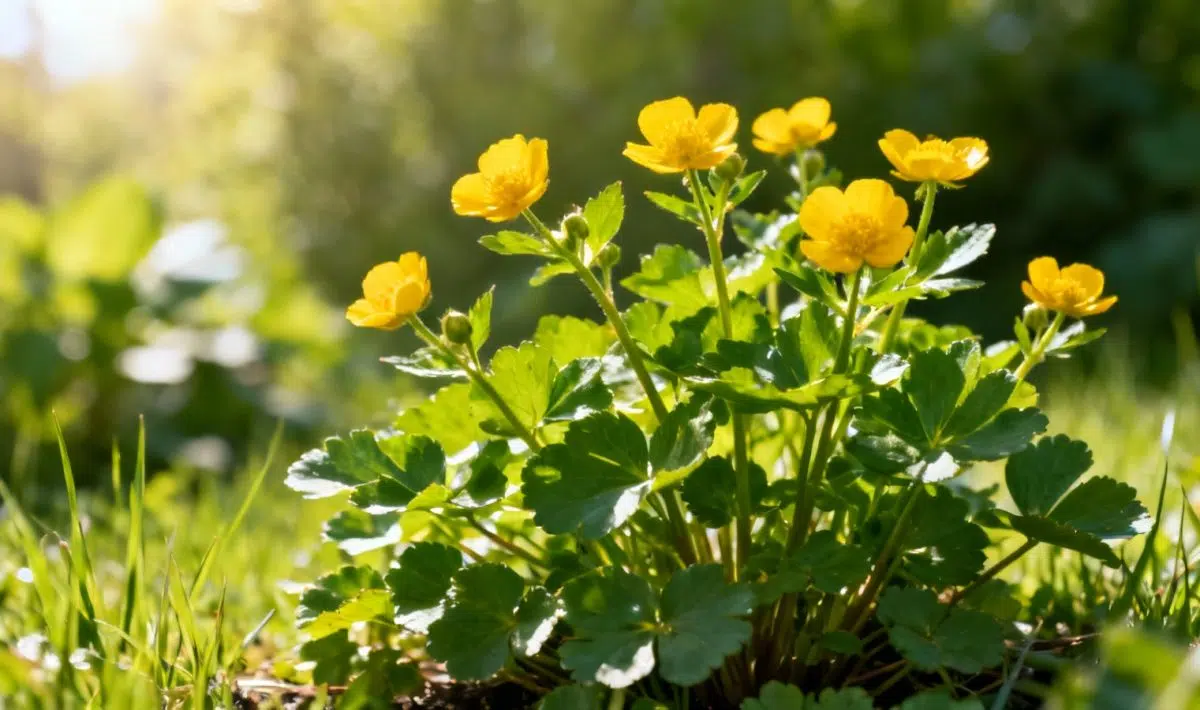
In full sun conditions, where the plant receives at least six hours of direct sunlight daily, creeping buttercup produces its most vigorous growth and abundant flowering. The bright yellow blooms that appear from late spring through summer are most prolific when the plant has access to plenty of sunshine. However, this also means more aggressive spreading if you’re trying to keep it contained.
For gardeners who want to understand plant care across different species, similar considerations apply to other plants like understanding the sunlight requirements for selloum plants, where proper light management is equally important for healthy development.
Optimal sunlight requirements for healthy growth
The ideal light exposure for creeping buttercup falls between full sun and partial shade. Research suggests that this plant performs best with approximately 6 hours of direct sunlight per day, though it can tolerate considerably less without significant stress.
In partial shade conditions, receiving about 3-5 hours of direct sun or filtered light throughout the day, creeping buttercup will still grow well but may produce fewer flowers. The foliage often remains lush and green, and the plant’s characteristic creeping habit continues, though perhaps at a slightly slower pace than in full sun.
What makes this plant particularly interesting is its ability to adapt to varying light conditions throughout the growing season. During spring, when tree canopies are just beginning to leaf out, creeping buttercup takes advantage of the increased light penetration to establish strong growth for the year ahead.
Seasonal light variations and their impact
Spring represents the most critical time for light exposure in creeping buttercup’s annual cycle. As daylight hours increase and deciduous trees haven’t yet fully leafed out, the plant receives maximum light penetration. This period is when you’ll see the most rapid growth and the beginning of flower bud formation.
Summer brings the challenge of managing intense sunlight, particularly in regions with hot summers. While creeping buttercup enjoys sun, it also appreciates some protection during the hottest part of the day. In areas where summer temperatures regularly exceed 85°F, some afternoon shade can actually benefit the plant and prevent stress.
Just as different plants have varying needs, you might find it interesting to learn about optimal sunlight for Jimsonweed growth, which demonstrates how light requirements can vary significantly between plant species.
Managing light exposure in different garden situations
In woodland gardens or areas with established trees, creeping buttercup often finds its perfect niche. The dappled sunlight that filters through tree canopies provides enough light for healthy growth without the intensity that might stress the plant during hot summer days.
For gardeners working with open, sunny spaces, creating some strategic shade during the hottest part of summer can help maintain the plant’s vigor. This doesn’t mean deep shade – just enough protection to prevent the stress that can come with intense midday sun combined with heat.
The plant’s tolerance for various light conditions makes it adaptable to changing garden environments. As trees grow and mature, altering the light patterns in your garden, creeping buttercup typically adjusts well to the gradual changes in available sunlight.
Signs of inadequate or excessive light
When creeping buttercup receives insufficient light, you’ll notice several telltale signs. The plant may develop elongated stems as it stretches toward available light sources, and flowering will be significantly reduced. The characteristic bright green foliage may also appear pale or yellowish.
Conversely, too much intense sun, particularly in combination with dry conditions, can cause the leaves to develop brown edges or appear scorched. This is more common in regions with intense summer heat, where even sun-loving plants can benefit from some midday protection.
Understanding these visual cues helps you adjust growing conditions accordingly. If you notice stretching and poor flowering, consider removing some shade or relocating the plant to a brighter spot. If you see scorching, provide some afternoon shade or ensure adequate soil moisture.
Practical tips for optimizing light conditions
When planning your garden layout, consider how the sun moves across your space throughout the day and seasons. Creeping buttercup planted on the east side of structures or trees will receive gentle morning sun and natural afternoon protection, which can be ideal in hotter climates.
For those managing creeping buttercup as a groundcover, understanding that it will spread more vigorously in full sun conditions helps with placement decisions. If you want dense coverage, choose sunnier spots. For slower, more controlled growth, partial shade locations work well.
Much like managing light for food plants, such as learning about sunlight needed for rutabaga cultivation, success comes from matching the plant’s needs to the available conditions in your garden.
Companion planting considerations
When growing creeping buttercup alongside other plants, consider how their light requirements complement each other. Plants that prefer similar conditions will thrive together, while those with different needs might compete or struggle.
In mixed plantings, creeping buttercup’s ability to tolerate varying light conditions makes it a useful companion for plants that might create changing shade patterns as they grow. Its adaptability allows it to fill in spaces where other plants might struggle with fluctuating light levels.
For herb gardens, you might also be interested in sunlight tips for growing oregano, as understanding diverse plant needs helps create more successful garden combinations.
Long-term light management strategies
As your garden matures and evolves, the light conditions that your creeping buttercup experiences will likely change. Trees grow larger, casting more shade, while other plants may be removed or relocated, opening up previously shaded areas.
The good news is that creeping buttercup adapts relatively well to these gradual changes. However, dramatic sudden changes in light availability – such as removing a large tree – may require some adjustment time for the plant to acclimate to its new conditions.
Regular observation throughout the growing season helps you understand how your specific growing conditions affect the plant’s performance. This knowledge becomes valuable for making future garden planning decisions and troubleshooting any issues that arise.
Creating optimal growing conditions year-round
Success with creeping buttercup comes from understanding that its light needs aren’t static throughout the year. Spring growth benefits from maximum light exposure, summer growth may appreciate some protection from intense heat, and fall preparation for dormancy occurs naturally as daylight hours decrease.
By working with these natural rhythms and providing appropriate light conditions for each season, you can maintain healthy, attractive creeping buttercup that serves its intended purpose in your garden design.
Whether you’re growing this plant for ground coverage, naturalizing, or managing it as part of a mixed planting, understanding its sunlight preferences – similar to learning about sunlight necessities for pineapple growth – gives you the knowledge needed for successful cultivation and management.
Allan is a lifelong gardening enthusiast who still gets excited when the first seedlings pop up in spring. With a deep love for nature and a hands-in-the-soil approach, he shares practical tips, plant discoveries, and clever tricks picked up over years of digging, planting, and observing. Whether you’re a new gardener or have a shed full of tools, Allan writes like a neighbor who’s always happy to swap cuttings and stories over the fence.
You can find more about Allan’s work on Malt or connect with him on LinkedIn.