
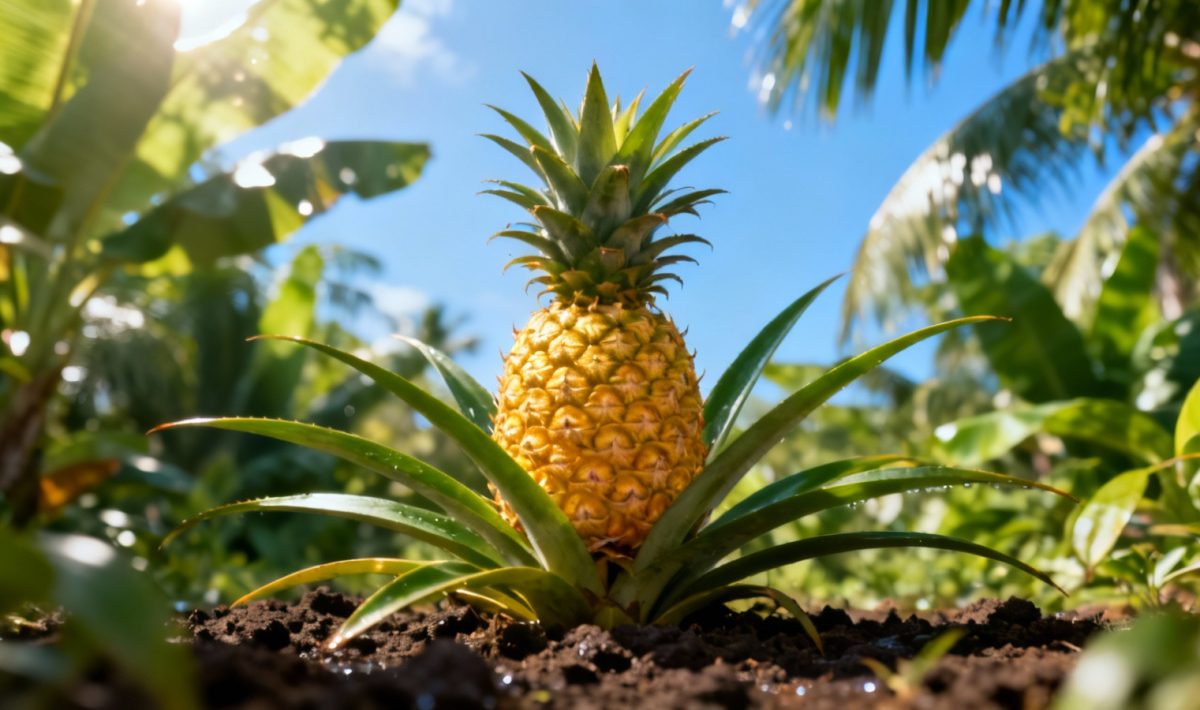
Growing your own pineapple from seeds offers an incredibly rewarding gardening experience, but understanding proper sunlight requirements makes all the difference between success and disappointment. Many gardeners wonder how much sunlight does pineapple need to flourish, especially when considering the transition from tropical conditions to home cultivation. The answer lies in providing consistent, bright light while protecting these precious plants from harsh extremes.
Understanding pineapple sunlight requirements
Pineapple plants thrive with 6 to 8 hours of direct sunlight daily, though they can adapt to slightly less intense conditions when grown indoors or in cooler climates. These tropical fruits originally developed under the consistent warmth and bright light of their native regions, making adequate sun exposure crucial for healthy growth and eventual fruit production. However, unlike some other crops, pineapples can tolerate partial shade better than many tropical plants.
The key lies in understanding that pineapples prefer bright, filtered light rather than scorching direct sun during the hottest parts of the day. Morning and late afternoon sun provide ideal conditions, while protection from intense midday rays prevents leaf burn and stress. For those cultivating different varieties of pineapple seeds, each type may have slightly different light preferences based on its specific genetic characteristics.
When planning your pineapple plantation, consider that these plants need consistent light throughout their growing season. Just as you might research optimal sunlight for watermelon growth for your summer garden, understanding pineapple light needs ensures your investment in quality graines pays off with healthy, productive plants.
Optimal daily light exposure for different growing conditions
Indoor pineapple cultivation requires strategic placement near south-facing windows or supplemental grow lights to achieve the recommended 6-8 hours of bright light. Many successful growers position their plants within 2-3 feet of large windows, rotating them weekly to ensure even light distribution. The goal involves creating conditions that mimic the natural tropical environment where pineapples originally evolved.
Outdoor cultivation offers more flexibility but requires careful attention to seasonal changes and local climate conditions. During summer months, pineapples benefit from morning sun and afternoon shade, particularly in regions with intense heat. Spring planting allows plants to gradually acclimate to increasing light levels as they establish their root systems in well-draining soil.
Container growing provides excellent control over light exposure, allowing you to move plants to optimal positions throughout the day or season. This flexibility proves especially valuable for gardeners in temperate climates who must bring plants indoors during cooler months. The portability of container cultivation makes it easier to provide consistent light conditions year-round.
Maximizing light exposure through strategic placement
Proper positioning of your pineapple plants significantly impacts their access to essential sunlight throughout the day. Choose locations that receive morning sun, which provides gentle warming without the harsh intensity of afternoon rays. East-facing exposures work particularly well, offering several hours of direct light followed by bright, filtered conditions for the remainder of the day.
When planning your garden layout, consider the mature size of your pineapple plants and ensure they won’t be shaded by larger vegetation. These tropical beauties need unobstructed access to sky light, so avoid placing them too close to trees, buildings, or other structures that might cast shadows during peak growing hours. Much like planning sunlight requirements for spearmint or other herbs, careful site selection prevents future problems.
For greenhouse or covered growing situations, transparent or translucent materials should allow maximum light penetration while providing protection from extreme weather. Many commercial growers use specialized coverings that filter harmful UV rays while maintaining the bright conditions pineapples require for photosynthesis and healthy development.
Seasonal adjustments and light management
Pineapple light needs vary somewhat throughout the growing season, with plants requiring slightly more intense light during their active growth phases in spring and early summer. During these periods, ensure your plants receive their full daily quota of 6-8 hours of bright light to support vigorous leaf development and eventual flowering.
Winter months present unique challenges for pineapple cultivation, particularly in temperate regions where natural light becomes limited. Supplemental lighting systems can bridge this gap, providing consistent illumination when natural sunlight falls short. LED grow lights positioned 12-18 inches above plants offer energy-efficient solutions for maintaining optimal light levels year-round.
Temperature and light work together to create ideal growing conditions, with pineapples preferring warm temperatures combined with bright light. During cooler months, reduce watering frequency while maintaining consistent light exposure to prevent stress and maintain plant health. This balance proves as important as understanding sunlight needs of small-leaf spiderwort for creating thriving indoor gardens.
Signs of proper and improper light exposure
Healthy pineapple plants display vibrant green foliage with sturdy, upright growth patterns when receiving adequate sunlight. Leaves should appear firm and well-structured, with newer growth maintaining consistent coloring and size. Plants receiving optimal light develop strong central cores that eventually support flower and fruit development.
Insufficient light manifests through several telltale signs including elongated, pale growth, weakened leaf structure, and overall plant decline. Leaves may become yellowish or lose their characteristic tropical green color, while growth slows noticeably compared to properly illuminated specimens. These symptoms indicate the need for improved light conditions or repositioning.
Conversely, excessive direct sun can cause leaf scorching, brown spots, or bleached appearance on foliage. This damage typically occurs on leaf tips and edges first, gradually spreading if conditions aren’t improved. Learning to recognize these signs helps prevent permanent damage and ensures your pineapple cultivation efforts remain successful.
Optimizing soil and drainage for better light utilization
Well-draining soil enhances your pineapple’s ability to utilize available sunlight effectively by preventing root problems that can impair nutrient uptake and overall plant vigor. Pineapples prefer slightly acidic, sandy soil that allows excess water to drain quickly while retaining essential moisture and nutrients. This type of growing medium supports healthy root development, enabling plants to make full use of available light energy.
Container cultivation offers opportunities to create ideal soil conditions while maintaining flexibility for light management. Use specialized potting mixes designed for tropical plants, or create your own blend using equal parts peat moss, perlite, and quality compost. This combination provides excellent drainage while supplying nutrients necessary for robust growth under optimal lighting conditions.
Regular soil maintenance, including periodic fertilization and pH monitoring, ensures your plants can effectively process the energy they receive from proper sunlight exposure. Just as you might consider ideal light conditions for ghost plant when planning succulent gardens, understanding the relationship between soil health and light utilization maximizes your pineapple growing success.
Varieties and their specific light preferences
Different pineapple varieties exhibit varying light tolerances and requirements, making variety selection important for your specific growing conditions. Traditional golden varieties typically require full sun exposure and perform best with 7-8 hours of direct light daily. These cultivars produce the classic sweet, juteux fruits most people associate with commercial pineapples.
Ornamental varieties and smaller cultivars often tolerate slightly less intense light while still requiring bright conditions for optimal growth and fruiting. These compact plants work well for container growing and indoor cultivation, adapting more readily to artificial lighting situations when necessary. Their reduced size makes them ideal for gardeners with limited space or challenging light conditions.
When selecting graines for your pineapple growing project, research the specific light requirements of your chosen variety. Some newer cultivars have been developed specifically for home cultivation, offering improved tolerance for less-than-perfect light conditions while maintaining good fruit production potential. Understanding these differences helps ensure successful cultivation regardless of your growing situation.
Benefits of growing your own pineapples
Cultivating pineapples from seeds provides numerous rewards beyond just fresh fruit production. The process offers gardeners intimate knowledge of plant growth cycles, from germination through flowering and fruiting. This hands-on experience creates deeper appreciation for these remarkable tropical plants while providing ongoing gardening satisfaction.
Home-grown pineapples often surpass store-bought fruits in flavor and freshness, since they can be harvested at peak ripeness rather than picked early for shipping. The intense, sweet taste of properly ripened, home-grown pineapples provides motivation for the patience required during the 18-24 month growing cycle from planting to harvest.
Economic benefits also make pineapple cultivation attractive, particularly when considering the rising prix of quality tropical fruits in many markets. While initial investment in quality seeds and proper growing conditions requires commitment, successful plants can produce multiple fruits over their productive lifespan. Additionally, understanding proper light management techniques transfers to other gardening projects, such as learning sunlight for vibrant garden snapdragon cultivation.
Essential care tips for optimal growth
Successful pineapple cultivation combines proper lighting with consistent watering, appropriate fertilization, and pest management. Water plants when the top inch of soil feels dry, providing thorough soaking that reaches the entire root zone. Avoid overwatering, which can lead to root rot and impaired nutrient uptake regardless of optimal light conditions.
Monthly fertilization during the growing season supports vigorous growth and fruit development. Use balanced, water-soluble fertilizers diluted to half strength to prevent burn while providing essential nutrients. Organic options like compost tea or fish emulsion work well for gardeners preferring natural approaches to plant nutrition.
Regular inspection for pests and diseases helps maintain plant health and ensures optimal utilization of provided light conditions. Common issues include scale insects, mealybugs, and fungal problems, all of which respond well to early intervention. Healthy plants make better use of available sunlight, supporting robust growth and eventual fruit production.
Temperature control works hand-in-hand with light management for optimal results. Pineapples prefer temperatures between 65-85°F, with slightly cooler nighttime temperatures supporting healthy growth patterns. This combination of proper lighting and temperature creates conditions that encourage steady development from planting through harvest.

Allan is a lifelong gardening enthusiast who still gets excited when the first seedlings pop up in spring. With a deep love for nature and a hands-in-the-soil approach, he shares practical tips, plant discoveries, and clever tricks picked up over years of digging, planting, and observing. Whether you’re a new gardener or have a shed full of tools, Allan writes like a neighbor who’s always happy to swap cuttings and stories over the fence.
You can find more about Allan’s work on Malt or connect with him on LinkedIn.


