
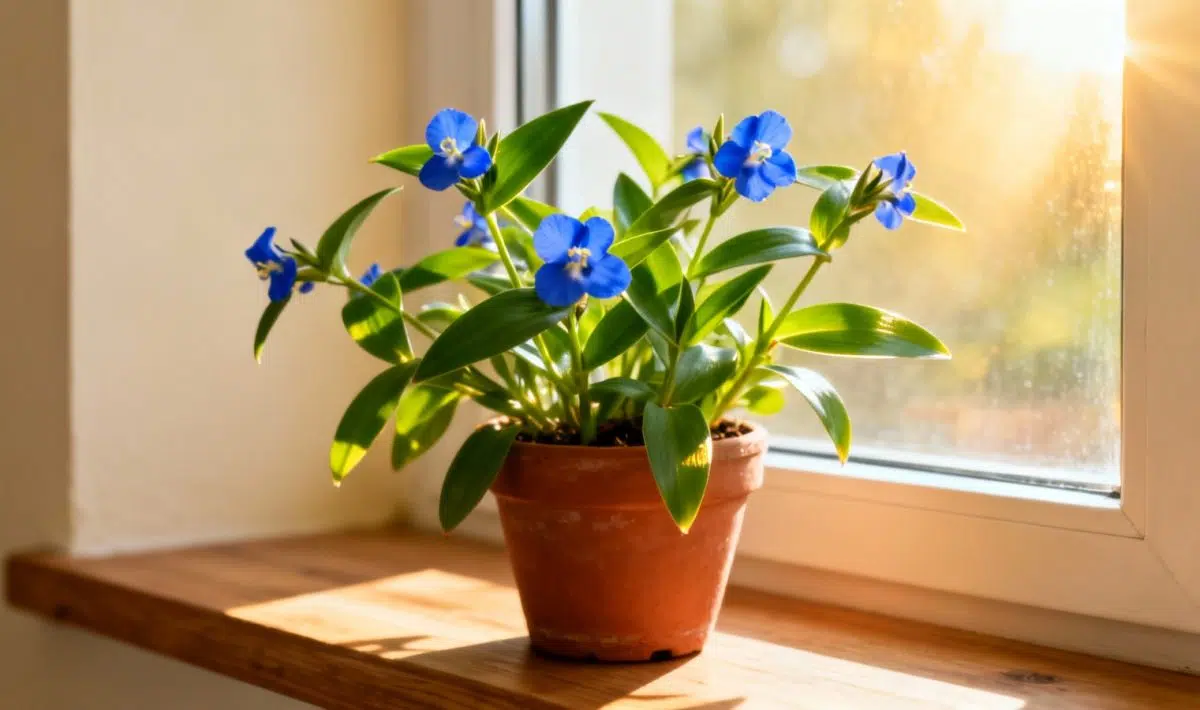
Understanding the light requirements for small-leaf spiderwort
When it comes to growing small-leaf spiderwort (Tradescantia fluminensis), understanding its sunlight needs is crucial for success. This charming flowering plant thrives with moderate light exposure, typically requiring 3 to 6 hours of filtered sunlight daily. The key is finding that sweet spot where your plant receives enough light to flourish without suffering from harsh direct exposure.
Small-leaf spiderwort naturally grows under forest canopies in South America, which gives us valuable clues about its preferred conditions. In the wild, this plant enjoys dappled sunlight that filters through tree leaves, creating the perfect balance of brightness and protection. This natural habitat preference explains why indoor gardeners often find success placing their spiderwort near east or west-facing windows.
Optimal light conditions for healthy growth
The best light for small-leaf spiderwort is bright, indirect sunlight. Think of those lovely morning rays that stream through an east window or the gentle afternoon light from a west exposure. These conditions provide sufficient energy for photosynthesis while protecting the delicate leaves from burning. Too much direct sun can cause the beautiful pink, purple, or blue-tinged leaves to fade or develop unsightly brown spots.
Indoor positioning matters tremendously for this type of flowering plant. Place your spiderwort about 3 to 6 feet from a bright window, or use sheer curtains to filter harsh rays. The plant will tell you if it’s happy – healthy specimens display vibrant leaf colors and produce small, delicate flowers in shades that range from white to light purple.
For gardeners growing spiderwort outdoors, partial shade works wonderfully. Much like how sunlight requirements for watermelon plants vary based on climate conditions, spiderwort’s needs can shift with your local weather patterns. In hot climates, morning sun with afternoon shade prevents stress and keeps foliage looking fresh.
Signs of proper and improper light exposure
Your small-leaf spiderwort will communicate its lighting preferences through visual cues. Plants receiving adequate light maintain compact growth with closely spaced leaves and vibrant coloration. The stems stay sturdy, and you’ll notice regular production of those sweet little flowers that make this plant so charming.
However, insufficient light creates problems quickly. Spiderwort becomes “leggy” when starved for brightness – the stems stretch toward any available light source, creating an unattractive, sparse appearance. Leaves may lose their distinctive coloring and appear washed out or predominantly green rather than displaying their natural purple or pink hues.
Conversely, too much direct sun causes equally obvious distress signals. Leaves develop brown or yellow patches, particularly along the edges. The plant may wilt during the hottest part of the day, even with adequate water. Just as optimal sunlight for spearmint growth requires careful balance, spiderwort needs protection from intense afternoon rays.
Seasonal adjustments for year-round success
Light requirements change throughout the year, and successful spiderwort cultivation means adapting to these shifts. During spring and early summer, when days are longer and sun angles are higher, you might need to move indoor plants slightly farther from windows or add light filtering.
Winter presents different challenges entirely. Shorter days and weaker sun mean you can often move plants closer to windows or even provide supplemental artificial lighting. Many gardeners find that rotating their collection of flowering plants seasonally helps maintain optimal conditions for all species.
The good news is that small-leaf spiderwort proves quite forgiving with minor adjustments. Unlike more finicky species such as sunlight needs for garden snapdragons, spiderwort adapts well to changing conditions with just a few days of transition time.
Companion planting and garden positioning
When incorporating spiderwort into mixed plantings, consider companions with similar light requirements. Plants that thrive in partial shade make excellent neighbors, creating attractive combinations while simplifying care routines. The trailing habit of spiderwort makes it particularly useful as groundcover under taller flowering specimens.
Garden placement should take advantage of natural shade patterns throughout the day. Areas that receive morning sun but are shaded by trees or structures during hot afternoons work beautifully. This mimics the plant’s natural growing conditions and reduces maintenance needs significantly.
For container gardens, mobility becomes an advantage. You can easily relocate pots to follow optimal light conditions as seasons change or as nearby plants grow and alter shade patterns. This flexibility proves especially valuable when growing alongside other light-sensitive species like ideal sunlight for ghost plants.
Indoor growing considerations
Indoor cultivation of small-leaf spiderwort offers excellent control over lighting conditions. However, this control comes with responsibility – you must monitor and adjust positioning as needed. Windows that provide perfect light in winter might become too intense during summer months.
Artificial lighting can supplement natural light when necessary, though it’s rarely required for spiderwort. If you do use grow lights, position them to provide gentle, diffused illumination rather than intense direct beams. LED lights work well for this purpose, offering efficiency and temperature control.
Room positioning affects light quality significantly. North-facing windows rarely provide sufficient brightness for optimal growth, while south-facing exposures often prove too intense without filtering. East and west windows typically offer the best balance for healthy spiderwort development.
When small-leaf spiderwort shows signs of stress, light issues are often the culprit. Fading colors usually indicate excessive exposure, while stretched growth suggests insufficient brightness. Fortunately, most light-related problems resolve quickly once conditions improve.
Moving plants gradually prevents shock when adjusting positions. Rather than making dramatic changes, shift locations incrementally over several days. This gentle approach helps plants adapt without additional stress that could affect flowering or overall health.
Sometimes the solution involves creative problem-solving rather than simply moving plants. Adding temporary shade cloth, repositioning nearby objects, or even strategic pruning of overhanging branches can create ideal microclimates. Much like understanding sunlight essentials for stinging nettle requires observing specific plant responses, successful spiderwort culture comes from watching and responding to your plant’s needs.
Maximizing flowering through proper light management
The ultimate goal for most gardeners is encouraging abundant flowering, and light plays a crucial role in bloom production. Small-leaf spiderwort flowers most prolifically when receiving consistent, appropriate light levels throughout the growing season.
Stress from improper lighting reduces flowering significantly. Plants struggling with too much or too little light focus energy on survival rather than reproduction. By maintaining steady, moderate light conditions, you encourage the regular production of those delicate flowers that make spiderwort such a delightful addition to any garden or collection.
Remember that flowering naturally varies with seasons, even under perfect conditions. Spring and early summer typically see the most abundant blooms, while winter flowering may be sparse or absent entirely. This natural rhythm is normal and healthy for the plant.

Allan is a lifelong gardening enthusiast who still gets excited when the first seedlings pop up in spring. With a deep love for nature and a hands-in-the-soil approach, he shares practical tips, plant discoveries, and clever tricks picked up over years of digging, planting, and observing. Whether you’re a new gardener or have a shed full of tools, Allan writes like a neighbor who’s always happy to swap cuttings and stories over the fence.
You can find more about Allan’s work on Malt or connect with him on LinkedIn.


