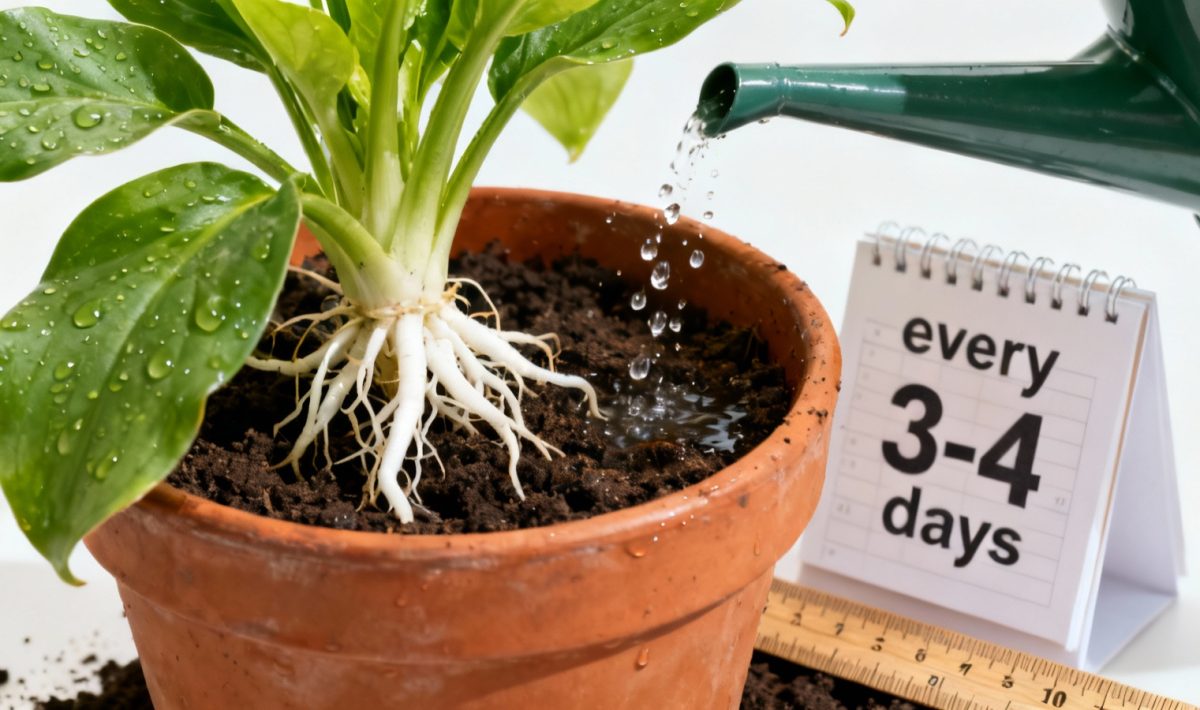
When it comes to how often should you water your common plantain, the answer lies in understanding this remarkable plant’s natural habitat and characteristics. Common plantain (Plantago major) thrives with consistent moisture but doesn’t require excessive water. This hardy plant has adapted to various conditions throughout its native regions in Europe and Asia, making it surprisingly resilient for gardeners.
The plantain plant naturally grows in areas with moderate rainfall, which gives us valuable insight into its water requirements. For optimal growth, water your common plantain once or twice per week during the growing season. However, the frequency depends heavily on your local climate, soil type, and seasonal conditions.
Seasonal watering adjustments
During spring and early summer, when the plant is actively growing, maintain consistent soil moisture by watering every 3-4 days if rainfall is insufficient. The leaves of plantain are particularly sensitive to drought stress during this period, which can affect the plant’s medicinal properties that traditional medicine has valued for centuries.
In autumn, reduce watering frequency to once weekly as the plant prepares for dormancy. Winter watering should be minimal, only providing water if the soil becomes completely dry. This seasonal adjustment mirrors the natural precipitation patterns where plantain thrives in the wild.
Proper watering techniques for plantain care
The key to successful plantain cultivation lies not just in frequency but also in proper technique. Water deeply at soil level rather than sprinkling the leaves, as this encourages strong root development. Deep watering once weekly is generally more beneficial than frequent shallow watering, which can lead to weak surface roots.
Check soil moisture by inserting your finger about two inches deep. If the soil feels dry at this depth, it’s time to water your plantain. The plant prefers consistently moist but well-draining soil – waterlogged conditions can damage the roots and reduce the potency of beneficial compounds used in dietary supplements.
For gardeners interested in similar low-maintenance plants, you might find useful information about optimal care for your hackberry bonsai, which shares some watering principles with plantain care.
Signs of proper hydration
Well-hydrated plantain displays vibrant green leaves that stand upright with firm texture. The plant should produce new growth regularly during the active season, and the leaves should feel substantial rather than wilted or crispy. These healthy characteristics are essential for those planning to harvest plantain for its traditional medicinal benefits.
Overwatering symptoms include yellowing leaves, soft or mushy stems, and a general decline in plant vigor. Underwatering manifests as wilted, brown-edged leaves and stunted growth. Finding the right balance ensures your plantain maintains its valuable properties for use in traditional medicine applications.
Plantain’s role in traditional medicine and nutrition
Beyond watering considerations, understanding plantain’s medicinal value adds depth to your gardening efforts. This plant has been used in traditional Chinese medicine and European folk remedies for centuries, primarily valued for its diuretic properties and effects on the urinary tract system.
The leaves and roots of plantain contain compounds that support urinary health when used as a dietary supplement. Traditional medicine practitioners have long recognized plantain’s benefits for the body’s natural detoxification processes. Modern research continues to explore these traditional uses, particularly focusing on the plant’s role in supporting overall wellness.
Many people today incorporate plantain into their diet through various forms, including fresh leaves, dried powder, or commercial supplements made from this versatile plant. The effectiveness of these preparations often depends on the quality of the original plant material, which is directly influenced by proper growing conditions including adequate water.
Harvesting and preparation considerations
When growing plantain for medicinal or culinary use, proper watering becomes even more critical. Well-hydrated plants produce more potent leaves with higher concentrations of beneficial compounds. Harvest young leaves in the morning after watering, when they’re fully hydrated and at peak nutritional value.
For those exploring other medicinal plants, watering guidelines for common mugwort offers insights into caring for another traditional medicine plant with similar growing requirements.
The roots can also be harvested in fall after the plant has been consistently watered throughout the growing season. These roots are often dried and ground into powder for use in traditional preparations or as ingredients in modern dietary supplements.
Common plantain varieties and their specific needs
Different plantain varieties may have slightly varying water requirements. Plantago major, the common broadleaf plantain, is the most widely cultivated variety and follows the general watering guidelines mentioned above. This variety is particularly valued in traditional medicine for its diuretic effects and support of the urinary system.
Narrow-leaf plantain (Plantago lanceolata) requires similar care but tends to be more drought-tolerant once established. Both varieties benefit from consistent moisture during their establishment period, typically the first 4-6 weeks after planting.
Improving your soil’s water retention capabilities can reduce the frequency of watering needed for plantain. Adding organic compost or well-aged manure helps the soil hold moisture longer while providing nutrients that support the plant’s medicinal properties.
Mulching around plantain plants with organic materials like straw or shredded leaves helps maintain consistent soil moisture and reduces water evaporation. This practice is particularly beneficial during hot summer months when the plant’s water needs are highest.
If your plantain shows signs of stress despite following recommended watering schedules, consider environmental factors that might affect water needs. Hot, windy conditions increase water loss and may require more frequent watering. Conversely, cool, humid weather may allow you to reduce watering frequency.
Container-grown plantain requires more frequent watering than garden-planted specimens due to limited soil volume and increased exposure to environmental conditions. Check container plants daily during warm weather and water when the top inch of soil feels dry.
Remember that plantain grown for traditional medicine use should be cultivated without synthetic chemicals. This natural approach aligns with the plant’s traditional uses and ensures the safest possible material for dietary supplements or home remedies. Proper watering supports this natural cultivation method by promoting healthy plant growth without the need for artificial interventions.
Allan is a lifelong gardening enthusiast who still gets excited when the first seedlings pop up in spring. With a deep love for nature and a hands-in-the-soil approach, he shares practical tips, plant discoveries, and clever tricks picked up over years of digging, planting, and observing. Whether you’re a new gardener or have a shed full of tools, Allan writes like a neighbor who’s always happy to swap cuttings and stories over the fence.
You can find more about Allan’s work on Malt or connect with him on LinkedIn.