Understanding how often should you water your common mugwort is essential for maintaining this hardy perennial herb. Common mugwort (Artemisia vulgaris) is renowned for its drought tolerance and medicinal properties, making it a popular choice for both experienced gardeners and beginners. This resilient plant can thrive with minimal water once established, but knowing the right balance is key to ensuring healthy growth and maximizing its natural benefits.
Understanding your common mugwort’s water needs
Common mugwort has evolved to be remarkably drought-resistant, which means it prefers well-draining soil and moderate watering rather than frequent moisture. Unlike many garden plants that require constant attention, your mugwort can actually suffer from overwatering more than underwatering. The plant’s deep root system allows it to access moisture from lower soil layers, making it highly efficient at surviving dry periods.
During the growing season, established plants typically need water only when the top inch of soil feels dry to the touch. This natural approach mimics the plant’s native growing conditions and supports the development of its beneficial compounds used for herbal tea and infusion preparations.
How often should you water your common mugwort throughout the seasons
The watering frequency for your common mugwort varies significantly with the seasons and weather conditions. During spring and early summer, when the plant is actively growing, you’ll want to provide water more regularly. Generally, watering once every 7 to 10 days is sufficient for most climates, but this can extend to every 15 days in cooler regions with regular rainfall.
Summer heat requires more attention, especially if you’re experiencing prolonged dry spells. In these conditions, your mugwort may benefit from weekly watering sessions. However, always check the soil moisture first – if it’s still damp from previous watering or recent rain, skip the watering day. This approach prevents root rot while ensuring your plant has adequate support for producing its aromatic leaves used in natural herbal preparations.
Winter months call for minimal intervention. Reduce watering to once every two weeks or eliminate it entirely if your area receives regular winter precipitation. The plant’s dormant state during these months means it requires very little water to survive and thrive.
Container vs ground planting considerations
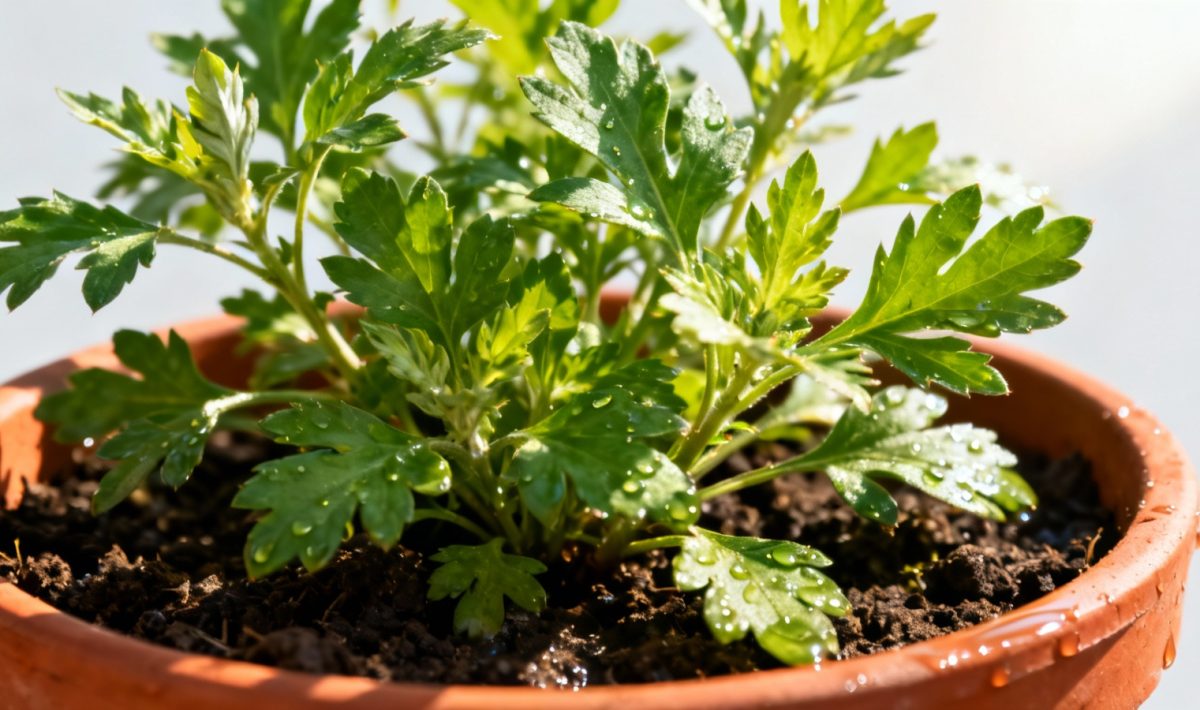
Plants grown in containers have different water requirements than those planted directly in the ground. Potted mugwort typically needs more frequent watering because containers dry out faster than garden soil. You might need to water container plants every 3-5 days during hot weather, but always verify soil moisture levels before proceeding.
For those growing other herbs alongside their mugwort, understanding individual plant needs is crucial. For example, if you’re also cultivating plants that require different watering schedules, like optimal watering for common mallow, you’ll need to group plants with similar water requirements together for more effective garden management.
Effective watering techniques for healthy mugwort
The method you use to water your mugwort is just as important as the frequency. Deep, thorough watering encourages strong root development and helps the plant access nutrients more effectively. When you do water, soak the soil around the base of the plant rather than sprinkling lightly across the surface.
Morning watering is generally more beneficial than evening sessions because it gives the plant time to absorb moisture before the heat of the day. This timing also reduces the risk of fungal issues that can develop when plants remain wet overnight. Apply water slowly and directly to the soil, avoiding the foliage when possible.
Consider using mulch around your mugwort plants to help retain moisture and regulate soil temperature. A thin layer of organic mulch can extend the time between watering sessions and provide additional nutrients as it decomposes.
Signs your mugwort needs attention
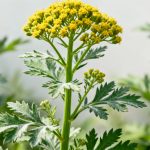
Learning to read your plant’s signals can help you determine the optimal watering schedule for your specific growing conditions. Healthy mugwort displays vibrant green foliage with a silvery underside and maintains an upright growth habit. When the plant needs water, you might notice slight wilting of the lower leaves or a dulling of the typical silvery coloration.
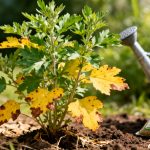
Overwatering symptoms include yellowing leaves, mushy stems, or a general decline in plant vigor. If you notice these signs, reduce watering frequency immediately and ensure your soil has adequate drainage. Similarly, if you’re growing other garden plants that require careful moisture management, such as healthy blooms from common peony, observing these visual cues becomes even more important for overall garden health.
Maximizing your mugwort’s health benefits
Proper watering directly impacts the quality of your mugwort harvest. Plants that receive appropriate moisture levels develop more concentrated essential oils and beneficial compounds. These natural substances are what make mugwort so valuable for creating herbal tea and therapeutic infusion preparations.
When your mugwort receives the right amount of water, it can focus energy on producing the aromatic leaves that have been used for centuries in traditional medicine. The plant’s natural compounds are most potent when the plant experiences some mild water stress, which actually encourages the concentration of its beneficial properties.
For those interested in expanding their herb garden with plants that have similar low-maintenance requirements, exploring options like watering tips for common dandelions can help you create a cohesive collection of drought-tolerant, beneficial plants.
Troubleshooting common watering issues
Even with the best intentions, you might encounter challenges with your mugwort watering routine. Poor drainage is one of the most common problems, often resulting from heavy clay soil or inadequate planting site preparation. If water tends to pool around your plants after watering, consider amending the soil with compost or sand to improve drainage.
Inconsistent watering can stress your plants and reduce their overall health. Try to maintain a regular schedule based on weather conditions and soil moisture levels rather than calendar dates. Keep notes about when you water and how your plants respond – this information becomes invaluable for refining your approach over time.
If you’re managing multiple types of plants with varying water needs, grouping them appropriately can simplify your routine. Plants that thrive with minimal water, like mugwort, should be separated from those requiring more frequent attention, such as growing common coconut palm effectively, to prevent overwatering the drought-tolerant species.
Creating a sustainable watering routine
Developing a consistent approach to watering your common mugwort supports both plant health and your gardening success. Start by establishing a baseline routine based on your local climate and growing conditions, then adjust as needed throughout the season.
Consider investing in simple tools like a soil moisture meter or even just using your finger to check soil dampness. These methods are more reliable than watering on a fixed schedule and help prevent both under and overwatering situations.
Remember that established mugwort plants are remarkably forgiving and adaptable. Once your plants have been growing for a full season, they’ll be even more drought-tolerant and require less frequent watering. This makes them excellent companion plants for other low-maintenance species and perfect for sustainable gardening practices.
For gardeners who want to expand their knowledge of plant care beyond herbs, understanding the watering needs of different plant types, such as healthy growth of common pear trees, can help you develop a more comprehensive understanding of how various species respond to different moisture levels and care approaches.
By following these guidelines and paying attention to your plant’s natural signals, you can ensure your common mugwort thrives with minimal intervention while providing you with healthy, potent leaves for your herbal tea and natural health preparations. The key is finding the right balance for your specific growing conditions and maintaining consistency in your care routine.

Allan is a lifelong gardening enthusiast who still gets excited when the first seedlings pop up in spring. With a deep love for nature and a hands-in-the-soil approach, he shares practical tips, plant discoveries, and clever tricks picked up over years of digging, planting, and observing. Whether you’re a new gardener or have a shed full of tools, Allan writes like a neighbor who’s always happy to swap cuttings and stories over the fence.
You can find more about Allan’s work on Malt or connect with him on LinkedIn.