
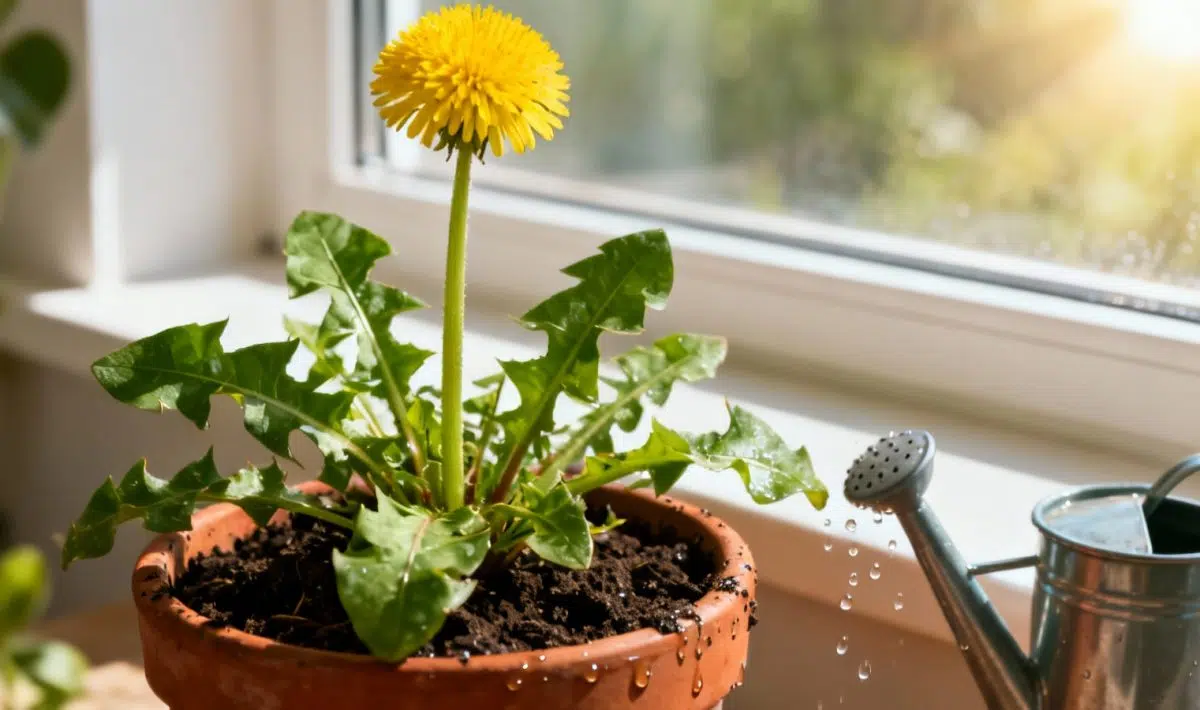
Understanding your dandelion’s water requirements
Water plays a crucial role in your dandelion’s health, much like it does for other plants. When you provide consistent moisture, you help these hardy weeds absorb essential nutrients from the soil. This process supports their robust growth and development throughout the growing season.
Dandelions are remarkably adaptable plants that thrive in various conditions. However, they perform best with regular watering that keeps the soil consistently moist but not waterlogged. The key is finding the right balance between providing adequate moisture and avoiding excessive water that can harm the roots.
Several factors influence how often you should water your dandelions. Soil type matters significantly – sandy soils drain quickly and require more frequent watering, while clay soils hold moisture longer. Climate conditions also play a vital role, as hot, dry weather increases water demands compared to cooler, humid periods.
Optimal watering frequency for healthy dandelions
For most growing conditions, dandelions benefit from watering approximately once per week. This frequency provides enough moisture to support their deep taproot system while allowing the soil to dry slightly between waterings. During spring establishment, when young plants are developing their root systems, you may need to water more frequently – every 3-4 days for the first two weeks.
The amount of water matters as much as the frequency. Aim for about one inch of water per week, including rainfall. This measurement ensures the moisture reaches the deeper soil layers where dandelion roots extend. You can measure this by placing a rain gauge or small container in your watering area.
Watch for signs that indicate when your dandelions need water. Slightly wilted leaves during the hottest part of the day are normal, but persistent wilting suggests the plants need more moisture. Check the soil moisture by inserting your finger about two inches deep – if it feels dry, it’s time to water.
Seasonal watering adjustments
Spring represents the most critical period for dandelion watering. During this time, the plants emerge from winter dormancy and begin active growth. Young dandelions require consistent moisture to establish strong root systems. Water them every 3-4 days during the first month, then gradually reduce to weekly watering as they mature.
Summer watering needs vary based on temperature and rainfall. In hot, dry conditions, you may need to increase watering frequency to twice per week. However, avoid watering during the hottest part of the day – early morning or evening watering reduces evaporation and helps plants absorb moisture more effectively. Similar principles apply to other garden plants, as you can see with watering tips for common sunflowers which also require adjusted schedules during summer heat.
Autumn brings cooler temperatures and often increased rainfall, allowing you to reduce watering frequency. Many gardeners find that natural precipitation provides adequate moisture during fall months. Monitor soil conditions and supplement with watering only when necessary.
Avoiding common watering mistakes
Overwatering poses a significant threat to dandelion health. Excessive moisture can lead to root rot, fungal diseases, and weakened plants. Signs of overwatering include yellowing leaves, musty soil odors, and soft, brown roots. If you notice these symptoms, reduce watering frequency immediately and improve soil drainage if possible.
Poor watering techniques can also harm your dandelions. Avoid overhead watering during humid conditions, which can promote fungal diseases on leaves and flowers. Instead, water at soil level using a soaker hose or watering can with a long spout. This method delivers moisture directly to the root zone where it’s needed most.
Timing your watering incorrectly can reduce its effectiveness. Watering during midday heat causes rapid evaporation, wasting water and potentially stressing plants. Early morning watering allows plants to absorb moisture before the day’s heat, while evening watering should be done early enough for leaves to dry before nightfall.
Effective watering methods and techniques
Deep, infrequent watering encourages strong root development better than frequent, shallow watering. When you water thoroughly once per week, dandelion roots grow deeper seeking moisture, making them more drought-resistant. This principle applies to many garden plants, including caring for common sage plants which also benefit from deep watering techniques.
Mulching around dandelions helps conserve soil moisture and reduce watering frequency. Apply a 2-3 inch layer of organic mulch such as shredded leaves, straw, or compost around plants, keeping mulch away from plant crowns to prevent rot. Mulch reduces evaporation and helps maintain consistent soil temperature.
Consider using drip irrigation or soaker hoses for efficient water delivery. These systems provide slow, steady moisture directly to the soil, reducing water waste and minimizing leaf wetness that can lead to disease problems.
Monitoring dandelion health and adjusting care
Healthy dandelions display vibrant green leaves, sturdy stems, and bright yellow flowers during blooming season. Well-watered plants maintain their leaves’ turgidity throughout the day and show consistent growth patterns. The foliage should feel firm to the touch and appear glossy rather than dull or wilted.
Dehydration symptoms include persistent wilting, leaf edges turning brown or crispy, and reduced flower production. Severely stressed plants may go dormant early or produce fewer viable seeds. If you notice these signs, increase watering frequency gradually rather than flooding the plants with excess water all at once.
Different plants in your garden may have varying water requirements, similar to how watering schedule for sycamore trees differs from smaller herbaceous plants. Understanding these differences helps you create an efficient watering routine that benefits all your plants without wasting resources.
Adapting to environmental conditions
Weather patterns significantly influence watering needs throughout the year. During periods of high humidity and frequent rainfall, you can reduce supplemental watering substantially. Conversely, hot, windy, or dry conditions increase evaporation rates and plant water demands.
Soil amendments can improve water retention and reduce watering frequency. Adding compost, aged manure, or other organic matter increases the soil’s ability to hold moisture while improving drainage. This creates ideal conditions for dandelion root development and overall plant health.
Container-grown dandelions require more frequent watering than those planted directly in garden soil. Pots and planters dry out faster than ground soil, often needing water every 2-3 days during warm weather. Check container moisture daily during hot spells to prevent stress.
Integrating dandelions with other garden plants
When growing dandelions alongside other plants, consider their competitive nature for water resources. These vigorous weeds can outcompete more delicate plants for moisture and nutrients. Group plants with similar water requirements together to simplify irrigation management.
Some gardeners find that dandelions help indicate soil moisture levels for nearby plants. When dandelion leaves begin to wilt slightly, it often signals that other plants in the area may also need water. This natural indicator can help you maintain appropriate moisture levels throughout your garden space.
Understanding the water needs of different plants helps create a harmonious garden ecosystem. For instance, selfheal watering guidelines provide insights into caring for another common garden plant that can coexist with dandelions under similar moisture conditions.
Remember that healthy, well-watered dandelions provide numerous benefits beyond their reputation as weeds. They attract beneficial pollinators, help break up compacted soil with their deep taproots, and offer various culinary and medicinal uses when properly maintained through appropriate watering practices.

Allan is a lifelong gardening enthusiast who still gets excited when the first seedlings pop up in spring. With a deep love for nature and a hands-in-the-soil approach, he shares practical tips, plant discoveries, and clever tricks picked up over years of digging, planting, and observing. Whether you’re a new gardener or have a shed full of tools, Allan writes like a neighbor who’s always happy to swap cuttings and stories over the fence.
You can find more about Allan’s work on Malt or connect with him on LinkedIn.


