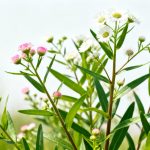
The common dandelion, scientifically known as Taraxacum officinale, often gets a bad reputation as a pesky weed that invades lawns and gardens. However, this remarkable plant deserves recognition for its incredible adaptability, nutritional value, and ecological importance. Far from being just a nuisance, the dandelion offers numerous benefits to both gardeners and wildlife while requiring minimal care to thrive.
Understanding the botanical characteristics of Taraxacum officinale
The common dandelion presents distinct morphological features that make it easily recognizable. Its deeply serrated leaves form a basal rosette, growing directly from the crown without a visible stem. These distinctive feuilles can reach lengths of 5-25 centimeters and display the characteristic “dent de lion” (lion’s tooth) shape that gives the plant its name.
The bright yellow fleurs emerge on hollow stems that can stretch from 5 to 30 centimeters tall. Each flower head, technically called a capitule, contains dozens of tiny individual florets that mature into the familiar white, fluffy seed heads. The deep taproot, often extending several centimeters into the sol, serves as both an anchor and a storage organ for nutrients during winter months.
What makes dandelions particularly fascinating is their reproductive strategy. They can reproduce both sexually through cross-pollination and asexually through apomixis, allowing them to colonize new areas rapidly. This dual approach explains why you’ll find dandelion plants thriving in diverse environments worldwide.
Creating optimal growing conditions for dandelion culture
Despite their reputation for growing anywhere, dandelions do have preferences that will maximize their health and productivity. They thrive best in full sun exposure, though they’ll tolerate partial shade with reduced flowering. The ideal temperature range for optimal growth falls between 15-25°C (60-77°F), making them suitable for most temperate climates.
Soil requirements are refreshingly flexible for this adaptable plante. Dandelions will grow in clay, loam, sandy, or chalky soils with pH levels ranging from 6.0 to 8.5, though they prefer slightly acidic to neutral conditions between 6.2 and 6.8. Good drainage is beneficial, but these hardy plants can tolerate brief periods of waterlogging or drought without significant damage.
For intentional cultivation, prepare the planting area by loosening the soil to accommodate the developing taproot. Adding organic matter will improve soil structure and provide nutrients, though dandelions are surprisingly tolerant of poor soil conditions. Their deep roots actually help improve soil by bringing nutrients from lower layers to the surface through leaf decomposition.
Proper care and maintenance practices
Caring for dandelions is remarkably straightforward, making them perfect for beginner gardeners or those seeking low-maintenance plants. Water regularly during the first few weeks after planting to establish strong roots, then reduce frequency as the plants mature. Established dandelions are quite drought-tolerant thanks to their deep taproots.
Fertilizing is rarely necessary, as dandelions are efficient nutrient scavengers. However, if you’re growing them for culinary purposes, a light application of compost in early spring can improve leaf tenderness and flavor. Avoid excessive nitrogen, which can make the leaves excessively bitter.
To extend the harvest season and maintain tender leaves, remove flower stems as they appear. This practice, similar to techniques used in caring for Pontic rhododendron plants, redirects the plant’s energy into producing fresh foliage rather than flowers and graines.
Mastering dandelion propagation techniques
Propagating dandelions offers gardeners several reliable methods to expand their cultivation. The most common approach involves direct semis of graines, which germinate readily under favorable conditions. Collect mature seeds from the white puffball heads, though be aware that many dandelion varieties produce seeds through apomixis, meaning offspring will be genetic clones of the parent plant.
For semis, scatter graines directly onto prepared soil in early spring or late summer. Barely cover them with a light layer of soil, as they need some light for germination. Keep the soil consistently moist but not waterlogged during the germination period, which typically takes 7-14 days under optimal conditions.
Root division offers another effective propagation method, particularly useful for maintaining specific varieties. Dig up established plants during dormant periods in late fall or early spring. Cut the main racine into sections, ensuring each piece has growing buds, then replant immediately. This technique works well for crops that require specific characteristics, much like methods used in best practices for growing apricots.
Timing your dandelion cultivation
Understanding the natural cycle of Taraxacum officinale helps optimize cultivation timing. Spring represents the prime growing season when plants emerge from winter dormancy with renewed vigor. This period offers the best opportunity for semis and transplanting, as soil temperatures warm and daylight hours increase.
For leaf harvest, early spring provides the most tender and least bitter feuilles. As temperatures rise and the plant begins its floraison cycle, leaves become increasingly bitter due to higher concentrations of natural compounds. However, this bitterness can be beneficial for those using dandelions for their traditional medicinal properties.
Summer management focuses on controlling flowering if you want continued leaf production. Remove flower heads promptly to prevent seed formation and encourage new leaf growth. This practice also prevents unwanted self-seeding if you’re growing dandelions in controlled areas of your garden.
Harvesting and utilizing your dandelion crop
Harvesting dandelions requires understanding which parts to collect and when to optimize flavor and nutritional content. Young leaves harvested in early spring offer the mildest flavor and most tender texture, perfect for fresh salads or cooking. As the season progresses, leaves become more bitter but gain potency for medicinal preparations.
The entire plant is edible and useful, from the nutrient-rich leaves to the substantial racine system. Flowers can be harvested for wine-making, fritters, or as garnishes, while roots are traditionally used for teas and medicinal preparations. Unlike more delicate crops such as those explored in care and propagation of common figs, dandelions tolerate frequent harvesting without significant stress.
For continuous harvest, practice selective picking by taking only outer leaves while leaving the center crown intact. This approach ensures continued production throughout the growing season. Clean harvested material thoroughly, as dandelions growing close to the ground often collect soil particles on their leaves.
Managing dandelions in mixed garden settings
Integrating dandelions into existing garden spaces requires thoughtful planning to harness their benefits while controlling their spread. Their deep taproots help break up compacted soil and bring nutrients to the surface, benefiting neighboring plants. However, their vigorous self-seeding can overwhelm more delicate species if left unchecked.
Consider designating specific areas for dandelion cultivation while maintaining barriers to prevent unwanted spread. Regular deadheading prevents seed dispersal, while periodic root division allows you to control population density. This management approach mirrors strategies used for vigorous growers like growing common sowthistle effectively, where controlled cultivation maximizes benefits while minimizing potential problems.
The ecological value of dandelions shouldn’t be overlooked in garden planning. They provide early nectar sources for pollinators when few other flowers are available, supporting bee populations and other beneficial insects. Their extended blooming period and reliable flower production make them valuable wildlife plants that complement more ornamental species in diverse garden ecosystems.

Allan is a lifelong gardening enthusiast who still gets excited when the first seedlings pop up in spring. With a deep love for nature and a hands-in-the-soil approach, he shares practical tips, plant discoveries, and clever tricks picked up over years of digging, planting, and observing. Whether you’re a new gardener or have a shed full of tools, Allan writes like a neighbor who’s always happy to swap cuttings and stories over the fence.
You can find more about Allan’s work on Malt or connect with him on LinkedIn.