Understanding Stellaria media: botanical characteristics and identification
Common chickweed (Stellaria media) is a remarkable annual plant that belongs to the Caryophyllaceae family. This humble species has captivated botanists and gardeners alike with its incredible adaptability and surprising nutritional value. Originally from Eurasia and North Africa, this stellaria species has successfully naturalized across North and South America, making it one of the most widespread plants on the planet.
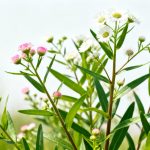
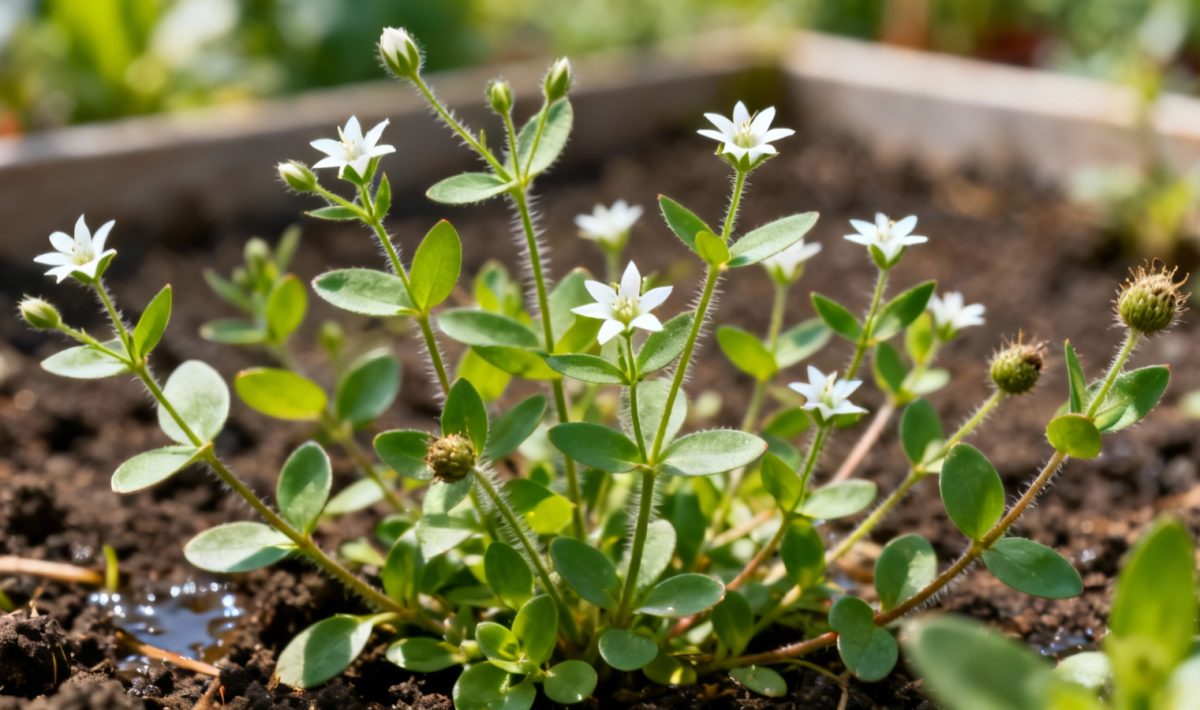
The plant displays distinctive morphological features that make identification relatively straightforward. Its succulent stems can appear green or burgundy, reaching heights of 10 to 50 cm with a similar spread. The leaves are oval-shaped and arranged in opposite pairs along the stem, while the small white flowers feature delicate petals that often appear shorter than the sepals.
What sets Stellaria media apart from other species is its remarkable growing season. Unlike many plants that struggle in cold weather, this mouron blanc thrives in cool, moist conditions. It can photosynthesize and continue growing even when temperatures drop below 5°C, making it an exceptional winter annual that produces multiple generations throughout cooler seasons.
The plant’s distribution extends far beyond its native habitat, with established populations found across diverse ecosystems. From disturbed soils in agricultural areas to garden beds and woodland edges, common chickweed demonstrates an impressive ability to colonize various environments while providing valuable resources for local wildlife, particularly oiseaux species that feed on its abundant graines.
Cultivation and growing conditions for common chickweed
Growing Stellaria media successfully requires understanding its natural preferences and ecological needs. This adaptable plante thrives in rich, moist sols with good organic content, though it can tolerate a wide range of soil types from clay to sandy loam. The key is maintaining consistent moisture without creating waterlogged conditions that might encourage root rot.
Regarding light requirements, common chickweed prefers partial shade to full sun exposure. In warmer climates, some afternoon shade helps prevent stress during hot summer months. The plant performs best in temperatures ranging from 10-20°C, though it can survive much colder conditions due to its exceptional cold tolerance.
For those interested in cultivating edible plants with similar care requirements, you might want to learn about caring for hollyhocks which share some growing preferences. Stellaria media’s rapid croissance makes it an excellent choice for quick-growing ground cover or as a nutritious addition to salad gardens.
Water management plays a crucial role in successful cultivation. Regular, gentle watering maintains the moist conditions this espèce prefers, especially during dry spells. However, avoid overhead watering that might encourage fungal diseases on the feuilles. Instead, focus on soil-level irrigation that keeps roots consistently hydrated.
Soil preparation and planting techniques
Preparing the growing area involves enriching the sol with organic matter such as compost or well-rotted manure. This not only improves soil structure but also provides the nutrients necessary for healthy development. The plant responds well to slightly acidic to neutral pH levels, typically between 6.0 and 7.5.
When establishing new plants, scatter seeds directly onto prepared soil in early spring or fall. The tiny graines germinate quickly under cool, moist conditions, often sprouting within 7-14 days. Light coverage with fine soil or compost helps retain moisture while allowing adequate light penetration for germination.
Propagation methods and techniques
Common chickweed offers multiple propagation options, making it accessible to gardeners of all experience levels. The most common method involves direct seeding, which mimics the plant’s natural reproduction cycle. Seeds can be collected from mature fleurs and stored in cool, dry conditions for future planting seasons.
Self-seeding occurs readily in suitable conditions, with established plantes producing numerous viable graines throughout their growing season. This natural propagation ensures continuous populations without human intervention, though gardeners can control spread through selective harvesting and deadheading when necessary.
Vegetative propagation through stem cuttings provides another reliable method. Young, healthy tiges root easily when placed in moist soil or water, typically developing strong root systems within 10-14 days. This technique proves particularly useful for maintaining specific genetic lines or establishing plants in new locations.
For gardeners working with other challenging plants that require specific propagation techniques, it might be helpful to discover buckthorn plant propagation tips which can provide additional insights into working with hardy species. Division of established clumps during the growing season offers yet another option, though this method works best with older, well-established specimens.
Timing and seasonal considerations
Understanding seasonal growth patterns optimizes propagation success. Spring sowings benefit from naturally moist conditions and moderate temperatures, while fall plantings allow plants to establish before winter dormancy. The plant’s ability to grow during cooler months means gardeners can enjoy fresh harvests throughout much of the année.
Successive plantings every 2-3 weeks extend the harvest season and ensure continuous availability of tender young growth. This approach works particularly well for culinary applications where fresh, young feuilles provide the best flavor and texture.
Care requirements and maintenance
Maintaining healthy Stellaria media populations requires minimal intervention once plants are established. Regular harvesting actually encourages new growth and prevents the plant from becoming too aggressive in garden settings. Pinching flower heads before seed formation controls self-seeding while promoting continued leaf production.
Monitoring for common issues helps maintain plant health throughout the growing season. While generally pest-resistant, common chickweed can occasionally attract aphids or other small insects. Natural predators usually provide adequate control, though severe infestations might require organic intervention methods.
Nutrient management involves providing occasional organic fertilizer applications during active growth periods. A balanced, low-nitrogen fertilizer prevents excessive vegetative growth while supporting healthy development. Compost tea applications every 3-4 weeks provide gentle nutrition without overwhelming the plant’s natural balance.
Those working with fruit trees might find it interesting to explore fig tree care methods as both plants share preferences for well-draining, fertile sols and benefit from similar organic management approaches.
Harvesting and utilization
Proper harvesting techniques maximize both yield and plant longevity. Young, tender shoots and feuilles provide the best culinary experience, typically harvested when plants reach 5-10 cm in height. Regular cutting encourages branching and extends the productive period significantly.
The plant’s classification as both food and medicine makes it valuable for diverse applications. Fresh leaves add nutritious greens to salads, soups, and smoothies, while dried material can be stored for winter use. The high vitamin C and mineral content makes it particularly valuable during months when fresh greens are scarce.
Ecological role and environmental benefits
Common chickweed plays important ecological roles that extend far beyond its use as a garden plante. Its early flowering provides crucial nectar sources for pollinators during cooler months when few other fleurs are available. The abundant seed production supports various bird espèces, earning it the common name “mouron des oiseaux.”
As a ground cover, the plant helps prevent soil erosion while adding organic matter as it decomposes. Its rapid establishment makes it valuable for stabilizing disturbed areas and creating habitat for beneficial insects. The plant’s ability to thrive in poor sols actually improves growing conditions for other species over time.
Understanding the broader context of beneficial plants in garden ecosystems can be enhanced by learning to understand dandelion growth and care, as both species provide similar ecological services while offering different cultural benefits.
The plant’s statut as both beneficial wildlife food and potential agricultural adventice creates interesting management challenges. In garden settings, controlled cultivation allows gardeners to enjoy its benefits while preventing unwanted spread into neighboring areas or sensitive cultures.
Integration with other garden plants
Successful integration involves understanding companion planting principles and growth habits. Stellaria media works well as living mulch around slower-growing crops, providing ground coverage while supplying harvested greens. Its shallow root system doesn’t compete heavily with deeper-rooted plantes for nutrients and water.
The plant’s tolerance for various growing conditions makes it adaptable to different garden zones and microclimates. From shaded woodland gardens to sunny vegetable beds, common chickweed finds suitable niches while contributing to overall garden health and productivity.

Allan is a lifelong gardening enthusiast who still gets excited when the first seedlings pop up in spring. With a deep love for nature and a hands-in-the-soil approach, he shares practical tips, plant discoveries, and clever tricks picked up over years of digging, planting, and observing. Whether you’re a new gardener or have a shed full of tools, Allan writes like a neighbor who’s always happy to swap cuttings and stories over the fence.
You can find more about Allan’s work on Malt or connect with him on LinkedIn.