
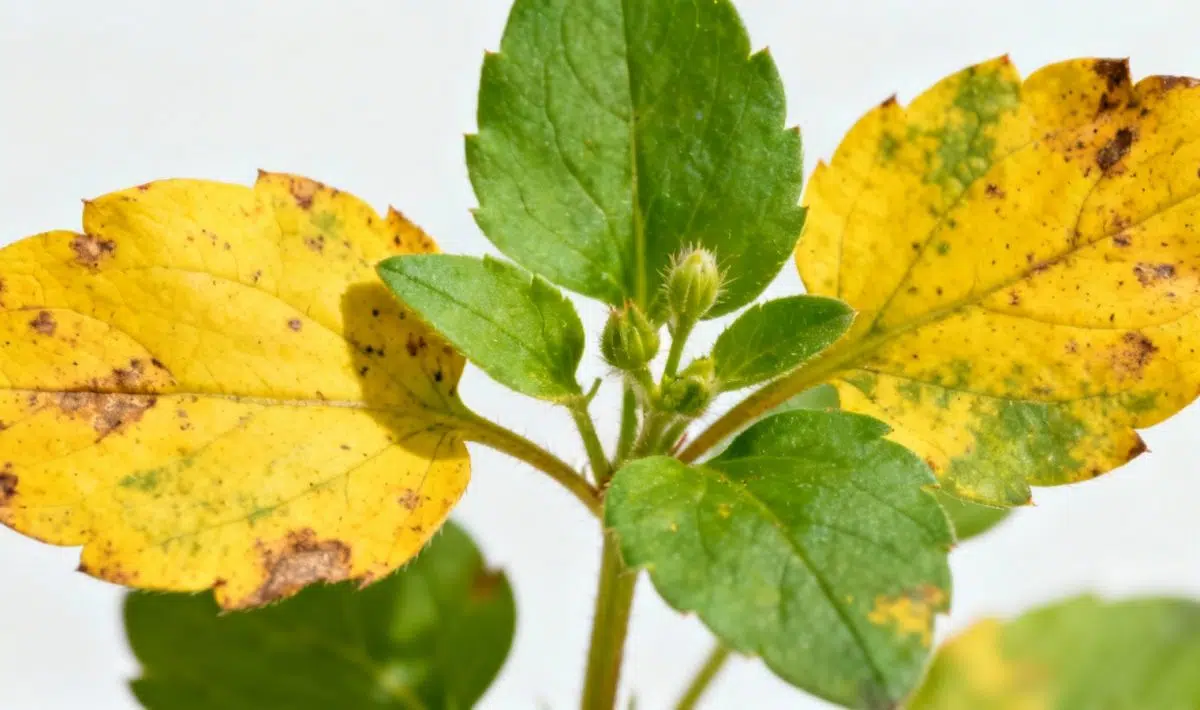
Noticing yellow leaves on your common chickweed can be concerning, especially when this resilient garden plant typically thrives with minimal care. Yellow leaves often signal that your plants are experiencing stress, which may stem from various environmental factors, diseases, or care practices. Understanding the underlying causes helps you address the issue effectively and restore your chickweed’s vibrant green appearance.
Common chickweed, a hardy species that grows well in many garden conditions, can develop yellowing leaves for several reasons. From natural aging processes to more serious underlying problems, each cause requires different approaches for resolution. Let’s explore what might be affecting your plants and how to bring them back to optimal health.
Natural causes behind yellowing chickweed leaves
Sometimes, yellow leaves on chickweed plants are simply part of their natural lifecycle. Older leaves naturally yellow and drop as the plant redirects energy toward new growth. This process becomes more noticeable during seasonal transitions, particularly in spring when rapid growth occurs.
Temperature fluctuations play a significant role in leaf color changes. Chickweed prefers cooler conditions, and when temperatures rise above its comfort zone, stress manifests through yellowing foliage. This species thrives in temperatures between 50-70°F, and prolonged exposure to heat can trigger protective responses.
Sunlight exposure also affects leaf coloration. While chickweed tolerates various light conditions, too much direct sunlight can cause stress, leading to pale or yellow leaves. Conversely, insufficient light may result in weak, yellowing growth as the plant struggles to photosynthesize effectively.
✅ Quick Checklist
- Is the soil too wet or too dry?
- Is the plant getting 6+ hours of sunlight daily?
- Have you fertilized in the last 2 months?
- Are there visible pests under the leaves?
- Does the pot have adequate drainage?
Diagnose your plant in one click!
AI instant diagnosis • Personalized solutions • 50,000+ species
Water management significantly impacts chickweed health, with both overwatering and underwatering potentially causing yellow leaves. Overwatered plants develop root rot, preventing proper nutrient uptake and resulting in yellowing foliage that often starts from the bottom up.
Chickweed prefers consistently moist but well-draining soil. When soil remains waterlogged, oxygen cannot reach the roots, creating anaerobic conditions that damage the root system. This stress quickly manifests as yellowing leaves, which may progress to wilting if not addressed promptly.
Conversely, drought stress can also trigger yellowing as the plant conserves water by dropping older leaves. Checking soil moisture regularly helps determine if watering adjustments are needed. Soil should feel slightly moist about an inch below the surface.
Soil quality affects nutrient availability, which directly impacts leaf color. Poor drainage, compacted soil, or pH imbalances can prevent roots from accessing essential nutrients, even when they’re present in the soil. Chickweed grows best in slightly acidic to neutral soil with good organic content.
Nutrient deficiencies affecting leaf color
Nitrogen deficiency commonly causes yellowing in chickweed, typically starting with older leaves before progressing to newer growth. Nitrogen is essential for chlorophyll production, and insufficient levels result in pale, yellow foliage as the plant redistributes available nitrogen to support new growth.
Iron deficiency manifests differently, causing yellowing between leaf veins while veins remain green. This condition, known as chlorosis, often occurs in alkaline soils where iron becomes less available to plants, even when present in adequate quantities.
Magnesium deficiency also causes yellowing between veins but typically affects older leaves first. This nutrient is central to chlorophyll structure, and deficiency results in distinctive yellow patterns that spread from leaf margins inward.
Similar to how hornbeam leaves changing color can indicate various nutritional issues, chickweed responds visibly to nutrient imbalances. Regular soil testing helps identify specific deficiencies and guide appropriate fertilization strategies.
Fungal diseases frequently cause yellowing in chickweed, particularly in humid conditions with poor air circulation. Powdery mildew, leaf spot diseases, and root rot can all trigger yellowing as the plant’s defense mechanisms activate.
Bacterial infections may cause yellowing accompanied by brown spots or wilting. These issues often develop when plants are stressed by poor growing conditions or when water remains on leaves for extended periods.
Insect pests such as aphids, spider mites, and whiteflies can cause yellowing by feeding on plant sap. These pests weaken plants and may also transmit diseases that contribute to further yellowing and decline.
Regular inspection of both upper and lower leaf surfaces helps detect pest problems early. Many insects prefer to hide on leaf undersides, making thorough examination important for accurate diagnosis.
Effective care strategies for healthy chickweed
Proper watering techniques prevent many yellowing issues. Water deeply but infrequently, allowing soil to dry slightly between watering sessions. Early morning watering gives plants time to dry before evening, reducing disease risk.
Soil improvement enhances chickweed health significantly. Adding organic compost increases soil structure, drainage, and nutrient content. Well-amended soil supports stronger root systems that resist stress and disease more effectively.
Fertilization should be moderate, as chickweed doesn’t require heavy feeding. A balanced, diluted fertilizer applied monthly during the growing season provides adequate nutrition without encouraging excessive soft growth that attracts pests.
Just as gardeners dealing with columbine leaves turning yellow need to address multiple factors, chickweed care requires attention to environmental conditions, nutrition, and pest management for optimal results.
✅ Quick Checklist
- Is the soil too wet or too dry?
- Is the plant getting 6+ hours of sunlight daily?
- Have you fertilized in the last 2 months?
- Are there visible pests under the leaves?
- Does the pot have adequate drainage?
Diagnose your plant in one click!
AI instant diagnosis • Personalized solutions • 50,000+ species
Prevention and long-term plant health
Creating optimal growing conditions prevents most yellowing issues from developing. Choose locations with appropriate light levels, ensure good air circulation, and maintain consistent moisture without waterlogging.
Regular monitoring allows early detection of problems before they become serious. Weekly inspections of leaf color, growth patterns, and overall plant health help identify issues when they’re still easily treatable.
Seasonal adjustments to care routines accommodate chickweed’s changing needs throughout the year. This may involve adjusting watering frequency, providing temporary shade during hot periods, or protecting plants from harsh weather conditions.
Maintaining garden cleanliness reduces disease pressure and pest populations. Removing fallen leaves, providing adequate spacing between plants, and keeping tools clean all contribute to healthier garden environments where chickweed can thrive with minimal problems.

Allan is a lifelong gardening enthusiast who still gets excited when the first seedlings pop up in spring. With a deep love for nature and a hands-in-the-soil approach, he shares practical tips, plant discoveries, and clever tricks picked up over years of digging, planting, and observing. Whether you’re a new gardener or have a shed full of tools, Allan writes like a neighbor who’s always happy to swap cuttings and stories over the fence.
You can find more about Allan’s work on Malt or connect with him on LinkedIn.


