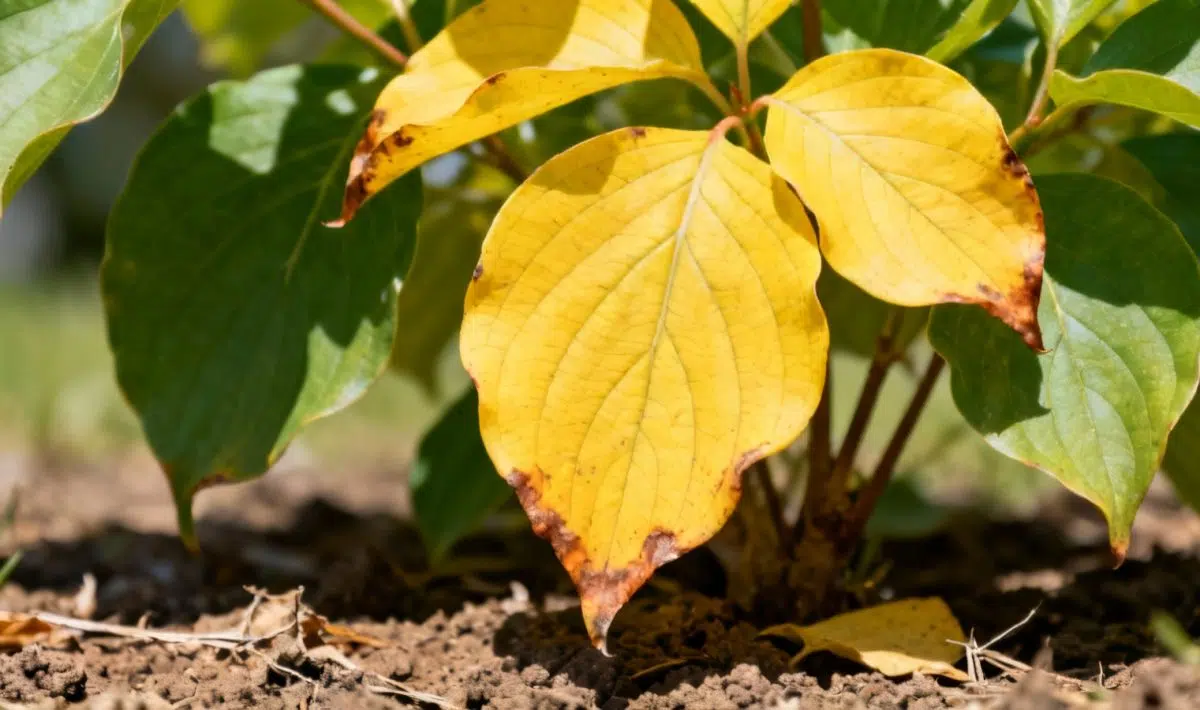
Why are my kousa dogwood leaves turning yellow – causes and solutions
Noticing yellow leaves on your kousa dogwood can be quite concerning, especially when this beautiful ornamental tree is usually known for its vibrant green foliage. This color change often signals that your plant is experiencing some form of stress, and understanding the underlying causes will help you address the issue effectively.
Yellow leaves on dogwood trees are typically a response to environmental factors, care issues, or health problems that need immediate attention. The good news is that most causes are treatable with the right approach and timing.
Several factors can cause your kousa dogwood leaves to turn yellow, and identifying the specific cause is crucial for effective treatment. The most common culprits include watering issues, nutrient deficiencies, disease problems, and environmental stress.
Overwatering is one of the primary reasons why dogwood leaves start yellowing. These trees prefer well-draining soil, and when roots sit in waterlogged conditions for extended periods, they begin to suffocate and cannot absorb nutrients properly. Conversely, underwatering can also stress the plant and lead to yellowing as the tree struggles to maintain its foliage.
Nutrient deficiencies, particularly nitrogen and iron deficiency, frequently manifest as yellowing leaves. When your kousa dogwood doesn’t receive adequate nutrients from the soil, it will start showing signs of distress through leaf discoloration.
✅ Quick Checklist
Is the soil too wet or too dry?
Is the plant getting 6+ hours of sunlight daily?
Have you fertilized in the last 2 months?
Are there visible pests under the leaves?
Does the pot have adequate drainage?
🔥 FREE
📱
Diagnose your plant in one click!
AI instant diagnosis • Personalized solutions • 50,000+ species
Proper watering is essential for maintaining healthy kousa dogwood trees, and getting this balance right can prevent many yellowing issues. These ornamental plants require consistent moisture but cannot tolerate standing water around their root system.
Overwatered dogwoods often develop yellow leaves that may also appear wilted or droopy. The excess moisture prevents proper oxygen circulation to the roots, leading to root rot and reduced nutrient uptake. You’ll typically notice this problem during periods of heavy rainfall or when irrigation systems provide too much water.
On the other hand, drought stress can also cause yellowing, particularly during hot summer months when the tree’s water demands increase. Underwatered dogwoods will often show yellowing starting from the lower branches and progressing upward as the tree tries to conserve moisture for its most vital parts.
To address water-related issues, ensure your kousa dogwood has well-draining soil and adjust your watering schedule based on weather conditions and soil moisture levels. Deep, infrequent watering is generally more beneficial than frequent shallow watering.
Nutrient deficiencies and soil conditions
Soil quality plays a crucial role in preventing yellow leaves on your kousa dogwood. These trees thrive in slightly acidic to neutral soil with good organic content and proper drainage.
Iron deficiency is particularly common in alkaline soils and manifests as yellowing between leaf veins while the veins themselves remain green. This condition, known as chlorosis, indicates that the plant cannot access sufficient iron from the soil.
Nitrogen deficiency typically causes uniform yellowing of older leaves first, as the plant redirects available nitrogen to newer growth. This is often more noticeable in spring when the tree is putting energy into new shoots and flower development.
To address nutrient issues, consider having your soil tested to determine pH levels and nutrient availability. For iron deficiency, you can apply chelated iron supplements or work to lower soil pH. For nitrogen deficiency, a balanced fertilizer designed for ornamental trees will help restore proper nutrition.
Similar yellowing patterns can occur in many other plants, and if you want to find out why leaves are yellowing in different species, the underlying principles are often quite similar across various plant families.
Disease and pest issues
Several diseases can cause yellowing in kousa dogwood leaves, with fungal infections being the most common culprits. Anthracnose, powdery mildew, and leaf spot diseases can all lead to discoloration and eventual leaf drop.
Anthracnose typically starts as small brown or purple spots on leaves that eventually expand and cause yellowing around the affected areas. This disease is more prevalent during cool, wet spring weather and can severely impact the tree’s overall health if left untreated.
Pest infestations, such as scale insects or aphids, can also cause yellowing by feeding on plant juices and weakening the tree. These small pests often go unnoticed until damage becomes apparent through leaf discoloration.
Regular inspection of your dogwood’s leaves and branches will help you catch pest and disease issues early. Look for unusual spots, sticky substances, or small insects on the undersides of leaves.
Environmental stress factors
Environmental conditions can significantly impact your kousa dogwood’s health and contribute to leaf yellowing. These trees prefer partial shade to full sun but can struggle in extreme conditions.
Excessive heat and direct sunlight during the hottest part of the day can stress the tree and cause leaf scorching, which often appears as yellowing followed by browning at leaf edges. This is particularly common in younger trees that haven’t developed a robust root system.
Temperature fluctuations, especially late spring frosts or early fall freezes, can also trigger yellowing as the tree responds to thermal stress. Wind exposure and air pollution in urban environments can further compound these issues.
Houseplant enthusiasts dealing with similar issues might learn about yellowing arrowhead leaves which can provide insights into how environmental factors affect different plant species in various growing conditions.
✅ Quick Checklist
Is the soil too wet or too dry?
Is the plant getting 6+ hours of sunlight daily?
Have you fertilized in the last 2 months?
Are there visible pests under the leaves?
Does the pot have adequate drainage?
🔥 FREE
📱
Diagnose your plant in one click!
AI instant diagnosis • Personalized solutions • 50,000+ species
Once you’ve identified the cause of yellowing in your kousa dogwood, implementing the right treatment strategy will help restore your tree’s health. The approach will vary depending on whether you’re dealing with watering issues, nutrient problems, or disease.
For water-related problems, adjust your irrigation schedule and improve drainage around the tree. If the soil stays wet too long, consider adding organic matter or creating raised beds to improve drainage. During dry periods, provide deep watering once or twice per week rather than frequent shallow watering.
Nutritional issues typically require soil amendments or fertilizer applications. Apply a balanced, slow-release fertilizer in early spring, and consider adding compost or well-aged manure to improve soil structure and nutrient content. For iron deficiency, chelated iron supplements can provide quick relief.
Disease management often involves improving air circulation around the tree, removing affected leaves, and applying appropriate fungicides when necessary. Preventive care, such as proper spacing and avoiding overhead watering, can reduce disease pressure significantly.
Long-term care for healthy kousa dogwoods
Maintaining healthy kousa dogwoods requires consistent attention to their basic needs and regular monitoring for potential problems. These beautiful ornamental trees will reward proper care with stunning white or red flowers and attractive fruit.
Establish a regular inspection routine to check for early signs of stress, disease, or pest activity. Early detection allows for more effective treatment and prevents minor issues from becoming major problems that could affect the tree’s long-term health.
Proper mulching around the base of the tree helps retain soil moisture, suppress weeds, and provide slow-release nutrients as organic mulch decomposes. Keep mulch a few inches away from the trunk to prevent moisture-related problems and pest issues.
With consistent care and attention to environmental factors, your kousa dogwood should maintain its beautiful green foliage throughout the growing season and provide years of ornamental value in your landscape.
Allan is a lifelong gardening enthusiast who still gets excited when the first seedlings pop up in spring. With a deep love for nature and a hands-in-the-soil approach, he shares practical tips, plant discoveries, and clever tricks picked up over years of digging, planting, and observing. Whether you’re a new gardener or have a shed full of tools, Allan writes like a neighbor who’s always happy to swap cuttings and stories over the fence.
You can find more about Allan’s work on Malt or connect with him on LinkedIn.