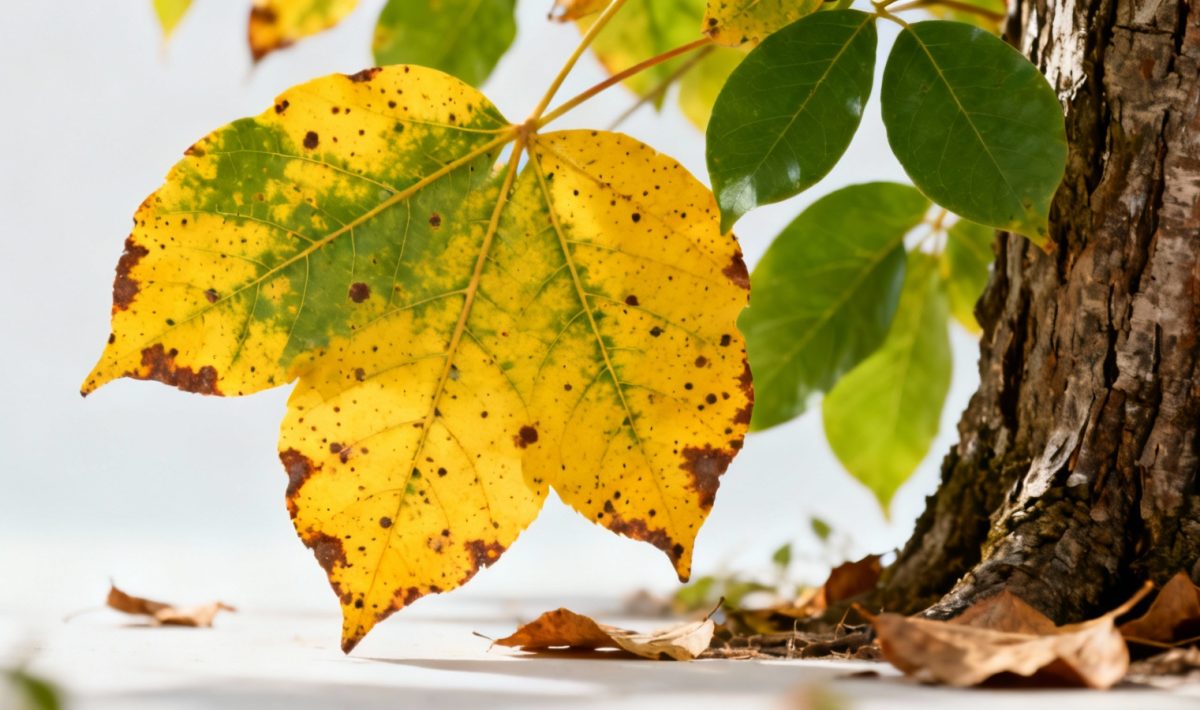
Why are my autograph tree leaves turning yellow – causes and solutions
When you notice your beloved autograph tree’s leaves turning yellow, it can be quite concerning. This tropical beauty, known for its thick, waxy leaves that can actually be written on, is generally a hardy plant. However, yellowing leaves often signal that something in your plant’s environment needs attention. Understanding the underlying causes will help you restore your autograph tree to its vibrant green glory.
The good news is that most causes of yellowing leaves are completely reversible with the right approach. Whether it’s a watering issue, nutrient deficiency, or environmental stress, your tree can bounce back with proper care. Let’s explore what might be causing this color change and how you can address it effectively.
Several factors can contribute to your autograph tree’s leaves turning yellow. The most frequent culprit is improper watering, but nutritional deficiencies and environmental stressors also play significant roles. Identifying the specific cause is crucial for implementing the right solution.
Overwatering is perhaps the most common reason for yellowing leaves. When the soil stays consistently wet, the roots cannot breathe properly, leading to root rot and nutrient uptake problems. Conversely, underwatering can also cause leaves to yellow as the plant struggles to maintain its cellular functions without adequate moisture.
✅ Quick Checklist
Is the soil too wet or too dry?
Is the plant getting 6+ hours of sunlight daily?
Have you fertilized in the last 2 months?
Are there visible pests under the leaves?
Does the pot have adequate drainage?
🔥 FREE
📱
Diagnose your plant in one click!
AI instant diagnosis • Personalized solutions • 50,000+ species
Nutrient deficiencies are another major cause of yellowing leaves in autograph trees. Nitrogen deficiency typically causes older leaves to yellow first, starting from the bottom of the plant. Iron deficiency, on the other hand, affects younger leaves at the top, creating a distinctive yellowing pattern between the leaf veins.
Magnesium deficiency also manifests as yellowing, but you’ll notice it begins at the leaf edges and works its way inward. This creates a unique visual pattern that distinguishes it from other nutritional issues. Similar patterns can occur with other plants, like what you might observe with reasons for yellow cabbage tree leaves, where nutrient imbalances create comparable symptoms.
Environmental stress factors
Environmental conditions play a crucial role in your autograph tree’s health. Sudden changes in temperature, humidity levels, or light exposure can trigger yellowing leaves. These plants prefer consistent conditions and don’t adapt well to dramatic shifts in their environment.
Inadequate lighting is particularly problematic for autograph trees. While they can tolerate some shade, they need bright, indirect light to maintain their vibrant green coloration. When placed in too much direct sunlight, the leaves can actually bleach and turn yellow from sun damage.
Signs to watch for beyond yellowing
When examining your autograph tree, look for additional symptoms that can help pinpoint the exact problem. Brown spots on leaves often indicate fungal infections, while small holes might suggest pest activity. The texture of the yellowing leaves also provides important clues about what’s happening.
Wilting combined with yellowing typically points to root problems, often caused by overwatering or poor drainage. If the yellowing is accompanied by leaf drop, this usually indicates that the plant is under significant stress and needs immediate attention. The pattern of yellowing also matters – uniform yellowing across the plant suggests different issues than random spotting.
Identifying pest-related yellowing
Pests can cause yellowing through their feeding activities and the damage they inflict on leaf tissues. Spider mites are particularly notorious for causing yellowing, as they feed on chlorophyll-rich plant juices. You might notice fine webbing on the undersides of leaves if these pests are present.
Scale insects and mealybugs can also cause yellowing by sucking plant juices and weakening the overall health of your autograph tree. These pests often hide in leaf joints and stem crevices, making them harder to detect initially. Just as with causes of yellowing pomegranate leaves, pest infestations can severely compromise plant health if left untreated.
Effective solutions for yellowing leaves
The key to treating yellowing leaves is addressing the root cause rather than just the symptoms. Start by evaluating your watering routine – check the soil moisture level about an inch down from the surface. If it’s consistently soggy, reduce watering frequency and ensure proper drainage.
For nutrient deficiencies, a balanced liquid fertilizer applied monthly during the growing season usually resolves the issue. However, be careful not to over-fertilize, as this can cause more harm than good. Dilute the fertilizer to half strength to avoid burning the roots.
Adjusting watering practices
Proper watering technique is crucial for preventing and treating yellowing leaves. Water your autograph tree when the top inch of soil feels dry to the touch. When you do water, do it thoroughly until water drains from the bottom of the pot, then allow excess water to drain completely.
Consider the season when adjusting your watering schedule. During winter months, autograph trees need less water as their growth slows down. Summer watering may need to be more frequent, but always check the soil first rather than following a rigid schedule.
✅ Quick Checklist
Is the soil too wet or too dry?
Is the plant getting 6+ hours of sunlight daily?
Have you fertilized in the last 2 months?
Are there visible pests under the leaves?
Does the pot have adequate drainage?
🔥 FREE
📱
Diagnose your plant in one click!
AI instant diagnosis • Personalized solutions • 50,000+ species
Creating the ideal environment for your autograph tree will prevent future yellowing episodes. Place the plant near a bright window with filtered light, avoiding direct afternoon sun that can scorch the leaves. Maintain humidity levels between 40-60% if possible, especially during winter when indoor air tends to be drier.
Temperature consistency is also important – try to keep your plant away from heating vents, air conditioning units, and drafty windows. Sudden temperature fluctuations can shock the plant and trigger yellowing. Room temperatures between 65-75°F are ideal for optimal growth and leaf health.
Prevention strategies for healthy foliage
Regular monitoring is your best defense against yellowing leaves. Check your autograph tree weekly for any changes in leaf color, texture, or overall appearance. Early detection allows for quick intervention before problems become severe.
Establish a consistent care routine that includes appropriate watering, monthly fertilizing during growing seasons, and periodic cleaning of the leaves. Dust buildup on the thick leaves can interfere with photosynthesis and contribute to overall plant stress. Use a damp cloth to gently wipe the leaves clean every few weeks.
With proper attention and care, your autograph tree can recover from yellowing leaves and return to its natural beauty. Remember that patience is key – it may take several weeks to see improvement as the plant adjusts to better conditions and produces new, healthy growth.
Allan is a lifelong gardening enthusiast who still gets excited when the first seedlings pop up in spring. With a deep love for nature and a hands-in-the-soil approach, he shares practical tips, plant discoveries, and clever tricks picked up over years of digging, planting, and observing. Whether you’re a new gardener or have a shed full of tools, Allan writes like a neighbor who’s always happy to swap cuttings and stories over the fence.
You can find more about Allan’s work on Malt or connect with him on LinkedIn.