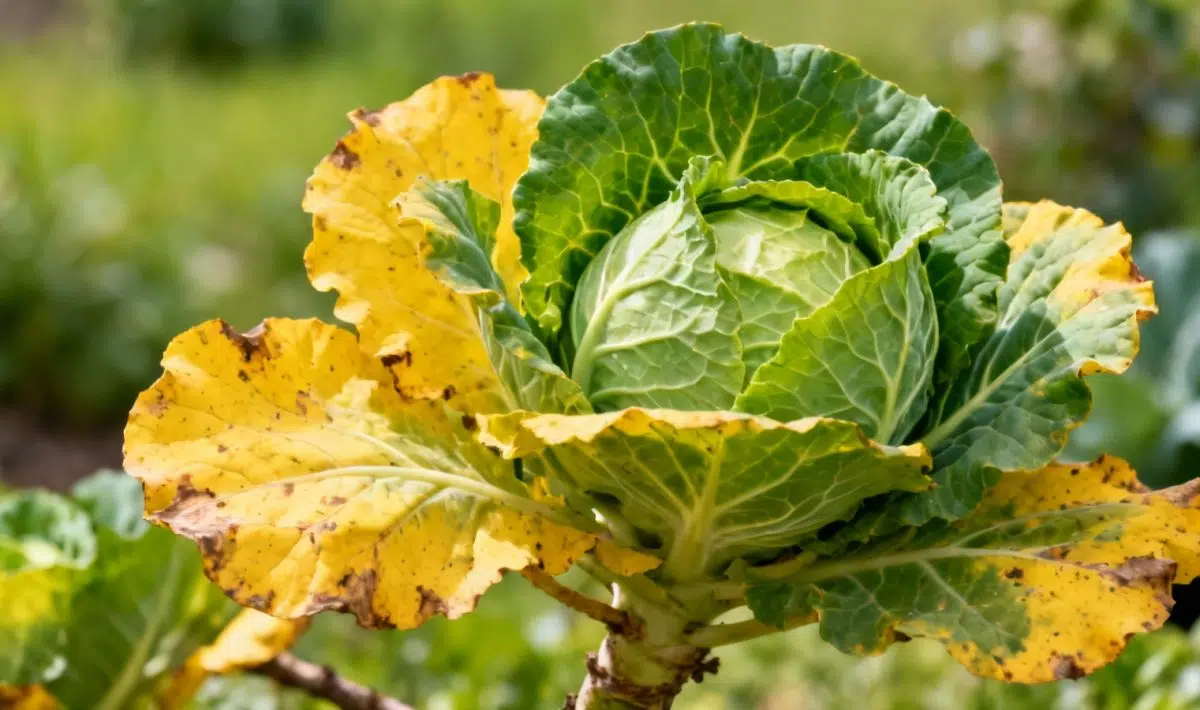
Why are my cabbage tree leaves turning yellow – causes and solutions
Seeing your beautiful cabbage tree’s leaves turning yellow can be quite alarming. This hardy evergreen plant, also known as Cordyline australis, is typically very resilient, but yellowing leaves are often a sign that your tree needs some attention. Don’t worry though – most causes are easily fixable with the right approach.
Understanding why your cabbage tree leaves are yellowing is the first step toward restoring its health. The good news is that this problem is much more common than you might think, and with proper care, your tree will bounce back to its vibrant green appearance.
Watering problems are by far the most frequent culprit when it comes to yellowing leaves. Your cabbage tree needs just the right amount of moisture to thrive, and getting this balance wrong can quickly show up in the foliage.
Overwatering is particularly problematic for these trees. When the soil stays waterlogged, the roots can’t breathe properly, leading to root rot and yellowing leaves from the bottom up. You’ll notice the lower leaves turning yellow first, often becoming mushy to the touch. If you’re watering daily or the soil feels constantly wet, you’re likely overdoing it.
On the flip side, underwatering will also cause yellowing, but the pattern is different. Drought stress typically affects the entire plant, causing leaves to yellow and become crispy at the edges. The soil will be bone dry several inches down, and the leaves may curl slightly as well.
✅ Quick Checklist
Is the soil too wet or too dry?
Is the plant getting 6+ hours of sunlight daily?
Have you fertilized in the last 2 months?
Are there visible pests under the leaves?
Does the pot have adequate drainage?
🔥 FREE
📱
Diagnose your plant in one click!
AI instant diagnosis • Personalized solutions • 50,000+ species
Poor soil drainage is closely linked to watering issues but deserves special attention. Cabbage trees absolutely need well-draining soil to stay healthy. If water pools around the base of your tree after watering, or if the soil takes more than a few hours to dry out on the surface, you’ve got a drainage problem.
Clay soil is particularly troublesome for these trees. It holds onto moisture for too long and doesn’t allow enough air to reach the roots. If you’re growing your cabbage tree in a pot, make sure there are adequate drainage holes and consider adding perlite or sand to improve soil structure.
Nutrient deficiencies can also manifest as yellowing leaves. Nitrogen deficiency typically causes older leaves to yellow first, while iron deficiency creates yellowing between the leaf veins. A balanced fertilizer applied during the growing season can help address these issues.
Disease and pest-related yellowing
Fungal infections are another common cause of yellowing leaves in cabbage trees. These diseases thrive in humid conditions with poor air circulation. You might notice small spots on the leaves that gradually expand, or a general yellowing that starts from the leaf tips and works inward.
The most effective treatment for fungal issues involves improving air circulation around your tree and reducing humidity. Remove affected leaves immediately and dispose of them in the trash, not your compost. A copper-based fungicide can help if the problem persists.
Bacterial infections present differently, often causing more sudden yellowing with possible browning or blackening of leaf edges. These infections are harder to treat but can sometimes be managed by removing affected foliage and improving growing conditions.
Pest infestations, while less common on cabbage trees, can also cause yellowing. Scale insects, aphids, and spider mites can all stress the plant enough to cause leaf discoloration. Check the undersides of leaves regularly for any signs of small insects or webbing.
Environmental factors affecting your tree
Temperature stress is a significant factor that many gardeners overlook. Cabbage trees are hardy, but sudden temperature changes or prolonged exposure to temperatures outside their comfort zone can cause yellowing. This is particularly common when moving plants from indoors to outdoors or vice versa.
Light conditions play a crucial role in your tree’s health. While cabbage trees are quite adaptable, insufficient light over time will cause the lower leaves to yellow and drop. They need at least six hours of good light daily to maintain their vibrant appearance.
Wind damage is another environmental factor to consider. Strong winds can stress the plant and cause leaves to yellow, particularly if the tree is young or newly planted. Providing some protection during windy periods can help prevent this issue.
Practical solutions and prevention
The key to fixing yellowing leaves is identifying and addressing the underlying cause. Start by checking your watering routine – stick your finger into the soil about two inches deep to gauge moisture levels. If it’s soggy, hold off on watering; if it’s bone dry, give your tree a thorough drink.
For soil improvement, consider these steps:
Add compost or well-rotted organic matter to improve drainage
Mix in coarse sand or perlite if the soil is too heavy
Ensure proper drainage holes in containers
Consider repotting if the current pot is too small
Similar yellowing patterns can occur in other plants too – for instance, understanding the reasons for yellow cabbage leaves can help you recognize common gardening issues across different species. The causes of yellowing potato leaves also follow similar patterns related to watering and environmental stress.
Long-term care for healthy cabbage trees
Prevention is always better than cure when it comes to plant health. Regular monitoring of your cabbage tree will help you catch problems early before they become serious. Check the soil moisture weekly, inspect leaves for signs of pests or disease, and ensure the tree is getting adequate light.
Fertilizing appropriately is crucial for long-term health. Use a balanced, slow-release fertilizer in spring and avoid over-fertilizing, which can actually cause more problems than it solves. A light feeding twice a year is usually sufficient for these relatively low-maintenance trees.
Pruning is generally minimal for cabbage trees, but removing yellowed or damaged leaves promptly helps prevent the spread of disease and keeps the plant looking its best. Always use clean, sharp tools to avoid introducing infections.
✅ Quick Checklist
Is the soil too wet or too dry?
Is the plant getting 6+ hours of sunlight daily?
Have you fertilized in the last 2 months?
Are there visible pests under the leaves?
Does the pot have adequate drainage?
🔥 FREE
📱
Diagnose your plant in one click!
AI instant diagnosis • Personalized solutions • 50,000+ species
Remember that some yellowing is perfectly normal as your cabbage tree matures. Older leaves naturally yellow and drop as the plant redirects energy to new growth. This is particularly noticeable on the lower parts of the tree and shouldn’t cause concern unless it’s excessive or accompanied by other symptoms.
With proper care and attention to these key factors, your cabbage tree should recover from yellowing leaves and continue to be a beautiful, hardy addition to your garden. The most important thing is to observe your plant regularly and respond quickly to any changes you notice.
Allan is a lifelong gardening enthusiast who still gets excited when the first seedlings pop up in spring. With a deep love for nature and a hands-in-the-soil approach, he shares practical tips, plant discoveries, and clever tricks picked up over years of digging, planting, and observing. Whether you’re a new gardener or have a shed full of tools, Allan writes like a neighbor who’s always happy to swap cuttings and stories over the fence.
You can find more about Allan’s work on Malt or connect with him on LinkedIn.