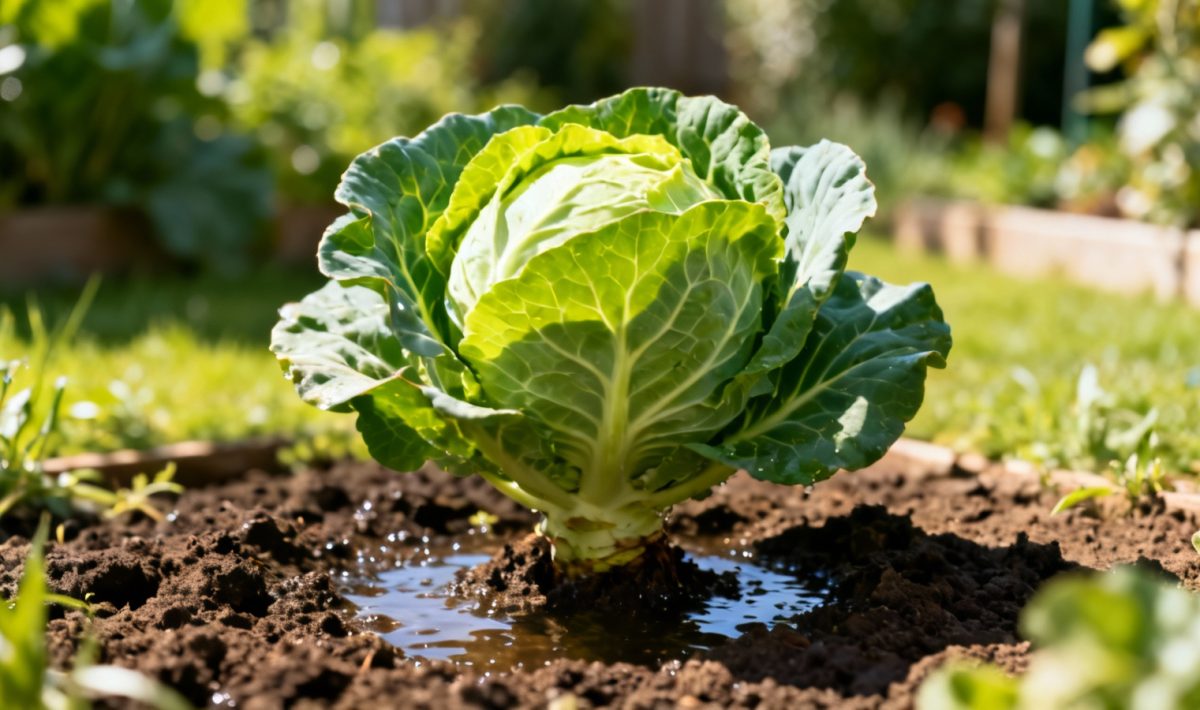
Understanding your cabbage tree’s water requirements
When growing cabbage trees in your garden, understanding their specific water needs is crucial for healthy development. These remarkable plants, also known as Cordyline australis, are native to New Zealand but have adapted beautifully to various climates, including those found in France and other temperate regions. The key to successful cultivation lies in providing consistent moisture without creating waterlogged conditions that can damage the root system.
Young cabbage tree plants require more frequent watering than established specimens. For newly planted trees, you should water every 2-3 days during the first month, ensuring the soil remains consistently moist but not soggy. After this initial period, you can gradually reduce the frequency to once or twice per week, depending on weather conditions and soil type.
The amount of water your cabbage tree needs varies significantly with the seasons. During spring and summer when growth is most active, plants typically require deeper, more regular watering sessions. However, many gardeners make the mistake of overwatering, which can be just as harmful as drought stress.
Factors that influence watering frequency
Several environmental factors affect how often you should water your cabbage tree. Climate conditions play a primary role – plants in hot, dry regions need more frequent irrigation than those in cooler, humid areas. For gardens in France, the Mediterranean regions require more attention during summer months, while northern areas with higher rainfall may need less supplemental watering.
Soil type significantly impacts water retention and drainage. Clay soils hold moisture longer but can become waterlogged, requiring less frequent but deeper watering sessions. Sandy soils drain quickly and may need daily attention during hot weather. Loamy soils, which are ideal for most vegetable gardens, provide the best balance for cabbage trees.
The age and size of your tree also determine its water needs. Small, young plants have shallow root systems and require light, frequent watering. As trees mature, their extensive root networks can access deeper soil moisture, allowing for less frequent but more thorough watering sessions. This principle applies to many fruit trees as well – for example, understanding watering frequency for mango trees can help you develop better irrigation practices across your garden.
Effective watering techniques for cabbage trees
The best watering method for cabbage trees involves deep, slow irrigation that encourages root development. Use a soaker hose or drip irrigation system to deliver water directly to the root zone. This approach minimizes water loss through evaporation and prevents moisture on the leaves, which can lead to fungal diseases.
Water early in the morning when temperatures are cooler and winds are typically calmer. This timing allows plants to absorb moisture efficiently before the day’s heat increases evaporation rates. Avoid evening watering, as prolonged moisture on foliage during cool nights creates ideal conditions for disease development.
Apply water slowly and thoroughly, ensuring it penetrates the soil to a depth of at least 6-8 inches. This encourages deep root growth and helps plants become more drought-tolerant over time. Similar deep watering principles apply to other garden trees – learning how to water olive trees properly can complement your cabbage tree care routine.
Signs your cabbage tree needs water
Recognizing when your cabbage tree requires watering prevents both drought stress and overwatering problems. Check the soil moisture by inserting your finger 2-3 inches deep near the base of the plant. If the soil feels dry at this depth, it’s time to water.
Visual indicators include slight wilting of the lower leaves during hot afternoon hours, though this can be normal stress response. More concerning signs are persistent wilting, yellowing leaves, or stunted growth. However, these symptoms can also indicate overwatering, so always check soil moisture before adding water.
The leaves of healthy cabbage trees should appear vibrant and upright. Drooping or curling leaves often signal water stress, but they can also indicate other issues like poor drainage or root problems. For indoor varieties, such as those detailed in guides about proper care for dwarf umbrella trees, similar observation techniques apply.
Seasonal watering adjustments
Spring marks the beginning of active growth for cabbage trees, requiring increased watering frequency as new shoots emerge. Start with twice-weekly deep watering sessions, adjusting based on rainfall and temperature. This season is crucial for establishing strong root systems that will support the plant through summer stress.
Summer watering demands peak during hot, dry periods. In many regions, daily watering may be necessary for young plants, while established trees might need water every other day. Monitor soil moisture closely and increase frequency during heat waves or prolonged dry spells.
Autumn brings changing water needs as growth slows and temperatures cool. Gradually reduce watering frequency but maintain consistent soil moisture to help plants prepare for winter. This transitional period is similar to caring for fruit trees like those discussed in watering guidelines for plum trees, where seasonal adjustments are equally important.
Winter typically requires minimal supplemental watering in most climates, especially where rainfall increases. However, during dry winter periods or in areas with very little precipitation, occasional deep watering prevents root desiccation.
Common watering mistakes to avoid
Overwatering ranks among the most frequent errors in cabbage tree care. Excessive moisture creates anaerobic soil conditions that promote root rot and fungal diseases. Always allow soil to partially dry between watering sessions, particularly in clay soils or poorly drained areas.
Shallow, frequent watering encourages surface root development, making plants more susceptible to drought stress. Instead, water deeply and less frequently to promote strong, deep root systems. This practice also applies to vegetable gardens where similar principles benefit all types of plants.
Inconsistent watering patterns stress plants and can lead to various problems including leaf drop, poor growth, and increased susceptibility to pests. Establish a regular schedule based on your local climate and soil conditions, then adjust as needed for seasonal changes.
Using overhead sprinklers rather than ground-level irrigation wastes water through evaporation and can promote disease by keeping foliage wet. Focus water delivery at soil level around the root zone for maximum efficiency and plant health.
Allan is a lifelong gardening enthusiast who still gets excited when the first seedlings pop up in spring. With a deep love for nature and a hands-in-the-soil approach, he shares practical tips, plant discoveries, and clever tricks picked up over years of digging, planting, and observing. Whether you’re a new gardener or have a shed full of tools, Allan writes like a neighbor who’s always happy to swap cuttings and stories over the fence.
You can find more about Allan’s work on Malt or connect with him on LinkedIn.