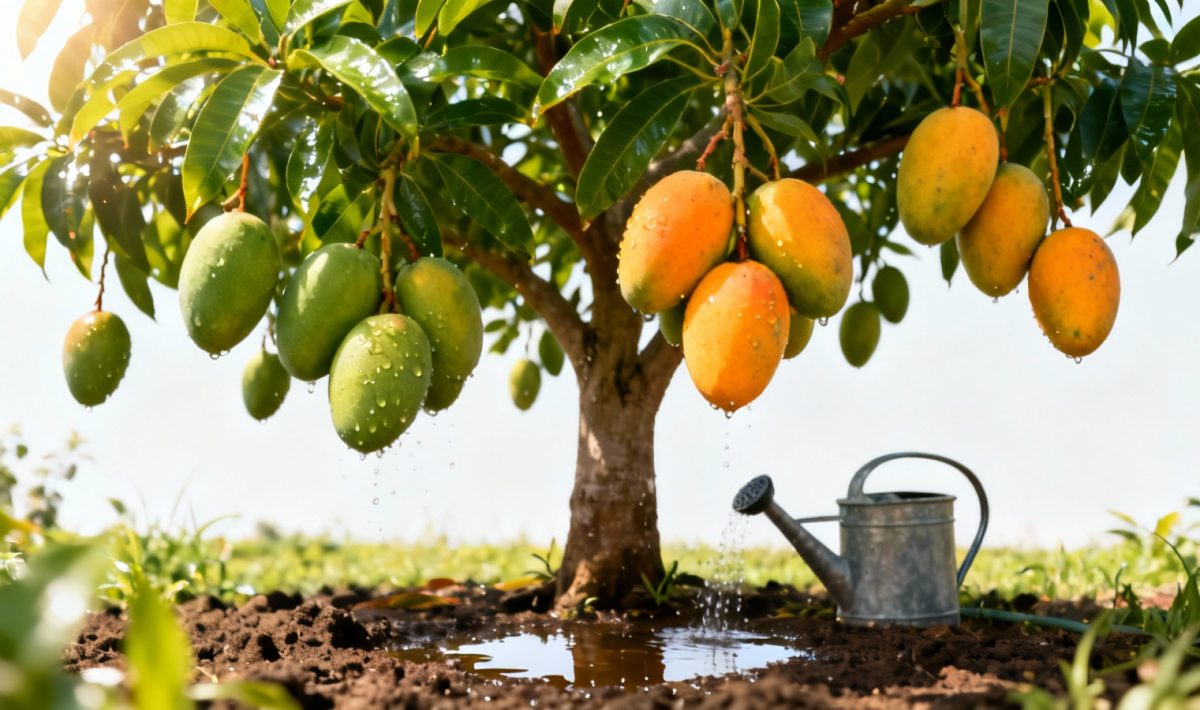
Determining how often should you water your mango tree depends on several key factors that every gardener should understand. These magnificent tropical plants require a careful balance of moisture to thrive and produce delicious fruit. The secret lies in understanding that mango trees prefer consistent moisture without waterlogged conditions.
Young mango trees have different water requirements than established ones. During their first year, newly planted trees need daily attention to ensure the soil remains moist but not saturated. As they mature, their watering needs change significantly, requiring less frequent but deeper irrigation sessions.
Factors that influence watering frequency
Climate conditions play a crucial role in determining your watering schedule. In hot, dry climates, your mango tree will need water more frequently than in humid environments. Summer temperatures can stress the tree, requiring you to increase watering frequency to every 2-3 days for young trees.
Soil type affects water retention dramatically. Sandy soils drain quickly and need more frequent watering, while clay soils hold moisture longer. Well-draining soil is essential because mango trees are susceptible to root rot if their roots sit in water for extended periods.
The age of your tree determines its water needs significantly. Newly planted trees require daily watering for the first few weeks, while mature trees may only need water during prolonged dry spells. This progression reflects the developing root system’s ability to access moisture from deeper soil layers.
Watering schedule by tree age
For newly planted mango trees, water daily for the first month to establish strong roots. Keep the soil consistently moist but never soggy. Young trees in their first two years need watering every 2-3 days during dry periods, using approximately 150 liters per month in the first year.
Trees aged 2-5 years require watering every 4-5 days, while established trees older than 5 years can go up to two weeks between waterings. Mature fruiting trees may need 50-120 liters per day during peak growing season, depending on their size and environmental conditions.
Signs your mango tree needs attention
Learning to read your tree’s signals helps you avoid both under and over-watering. Wilted leaves, especially during cooler parts of the day, indicate insufficient water. Fruit drop can also signal water stress, particularly during the critical flowering and fruit development stages.
Over-watering symptoms include yellowing leaves, mold development around the base, and a musty smell from the soil. These signs indicate potential root rot, which can be fatal to mango trees. Just as you might research watering your guava tree effectively for similar tropical fruit care, monitoring these symptoms helps prevent serious problems.
Checking soil moisture
The finger test remains the most reliable method for checking soil moisture. Insert your finger 2-3 inches into the soil near the tree’s base. If it feels dry at this depth, it’s time to water. For deeper assessment, use a soil moisture meter or a long screwdriver to check moisture levels.
Morning is the best time to check soil moisture and water if needed. This allows the tree to absorb water throughout the day while avoiding fungal issues that can develop with evening watering.
Effective watering techniques for mango trees
Deep, infrequent watering encourages strong root development better than frequent shallow watering. When you water, soak the entire root zone thoroughly rather than just wetting the surface. This encourages roots to grow deeper, making the tree more drought-resistant.
Drip irrigation systems work excellently for mango trees, providing steady moisture without waste. If using a hose, water slowly at the tree’s base, allowing water to penetrate deeply. Similar care principles apply to other fruit trees, much like proper care for European crab apples requires attention to watering depth and frequency.
Mulching for moisture retention
Applying a thick layer of organic mulch around your mango tree helps retain soil moisture significantly. Use materials like wood chips, leaves, or straw, keeping mulch 6 inches away from the trunk to prevent pest issues. This reduces watering frequency while improving soil quality as the mulch decomposes.
Mulch also regulates soil temperature and suppresses weeds that compete for water. Replace mulch annually to maintain its effectiveness and prevent it from becoming a breeding ground for pests.
Seasonal watering adjustments
During the growing season, typically spring and summer, increase watering frequency as temperatures rise and the tree actively produces new growth and fruit. Monitor your tree closely during heat waves, as stress can cause fruit drop and leaf burn.
Winter watering needs decrease significantly in most climates. Reduce frequency but don’t stop entirely, especially in areas with dry winters. The tree’s reduced metabolic activity means less water consumption, but the roots still need some moisture to remain healthy.
Rainy seasons require careful attention to prevent over-watering. Consider covering the root zone or improving drainage if your area receives excessive rainfall. This attention to seasonal changes applies broadly to fruit tree care, including maintaining your wintercreeper’s health through varying weather conditions.
Container vs. ground-planted mango trees
Potted mango trees require more frequent watering than those planted in the ground. Containers dry out faster, especially in hot weather, requiring daily checks during summer. Ensure containers have drainage holes to prevent water accumulation at the bottom.
Ground-planted trees benefit from natural rainfall and have access to groundwater through their extensive root systems. However, they still need supplemental watering during dry periods, particularly in the first few years after planting.
Water quality considerations
Use quality water for your mango tree when possible. Rainwater is ideal, but tap water works fine in most areas. If your water is heavily chlorinated, let it sit overnight before using to allow chlorine to evaporate. Avoid softened water, as the salt content can harm your tree over time.
Temperature matters too – avoid shocking roots with very cold water on hot days. Room temperature or slightly warm water is best for plant health. This consideration extends to other fruit plants, such as when following guidelines for pomegranate watering for optimal results.
Tools and techniques for monitoring
Digital soil moisture meters provide accurate readings and take the guesswork out of watering decisions. These inexpensive tools give instant feedback about soil moisture levels at various depths. Some advanced models even connect to smartphone apps for convenient monitoring.
Traditional methods like the screwdriver test work well too. Push a long screwdriver into the soil – it should penetrate easily in moist soil but meet resistance in dry areas. This simple technique helps you understand moisture distribution around your tree’s root zone.
Weather tracking helps predict watering needs. Many gardeners use weather apps or stations to monitor rainfall, temperature, and humidity. This information helps you anticipate when your tree might need extra water or when you can reduce watering frequency.
Troubleshooting common watering problems
Yellow leaves often indicate either over or under-watering, making diagnosis tricky. Check soil moisture levels and examine the pattern of yellowing. Over-watering typically causes yellowing from the bottom up, while under-watering affects the entire canopy more uniformly.
Poor drainage causes many mango tree problems. If water pools around your tree after watering, consider installing drainage tiles or replanting in a raised bed. Compacted soil prevents proper water infiltration and should be loosened carefully around the tree.
Inconsistent watering creates stress that affects fruit quality and tree health. Establish a regular schedule and stick to it, adjusting for weather conditions. This consistency principle applies across many plant types, including when ensuring scarlet-star growth success through proper care.
Advanced watering strategies
Consider installing a programmable irrigation system for consistent results. These systems can be adjusted seasonally and provide precise control over watering amounts and timing. Smart controllers can even adjust based on weather forecasts, reducing water waste.
Companion planting with shallow-rooted plants can help indicate soil moisture levels. Plants like herbs or flowers around your mango tree will show stress signs before the tree does, giving you early warning of watering needs.
Creating a watering log helps you track patterns and identify what works best for your specific tree and climate. Note watering dates, amounts, weather conditions, and tree responses. This data becomes invaluable for developing the perfect watering schedule for your mango tree’s long-term health and productivity.
Allan is a lifelong gardening enthusiast who still gets excited when the first seedlings pop up in spring. With a deep love for nature and a hands-in-the-soil approach, he shares practical tips, plant discoveries, and clever tricks picked up over years of digging, planting, and observing. Whether you’re a new gardener or have a shed full of tools, Allan writes like a neighbor who’s always happy to swap cuttings and stories over the fence.
You can find more about Allan’s work on Malt or connect with him on LinkedIn.