How much sunlight does mango tree need for optimal growth
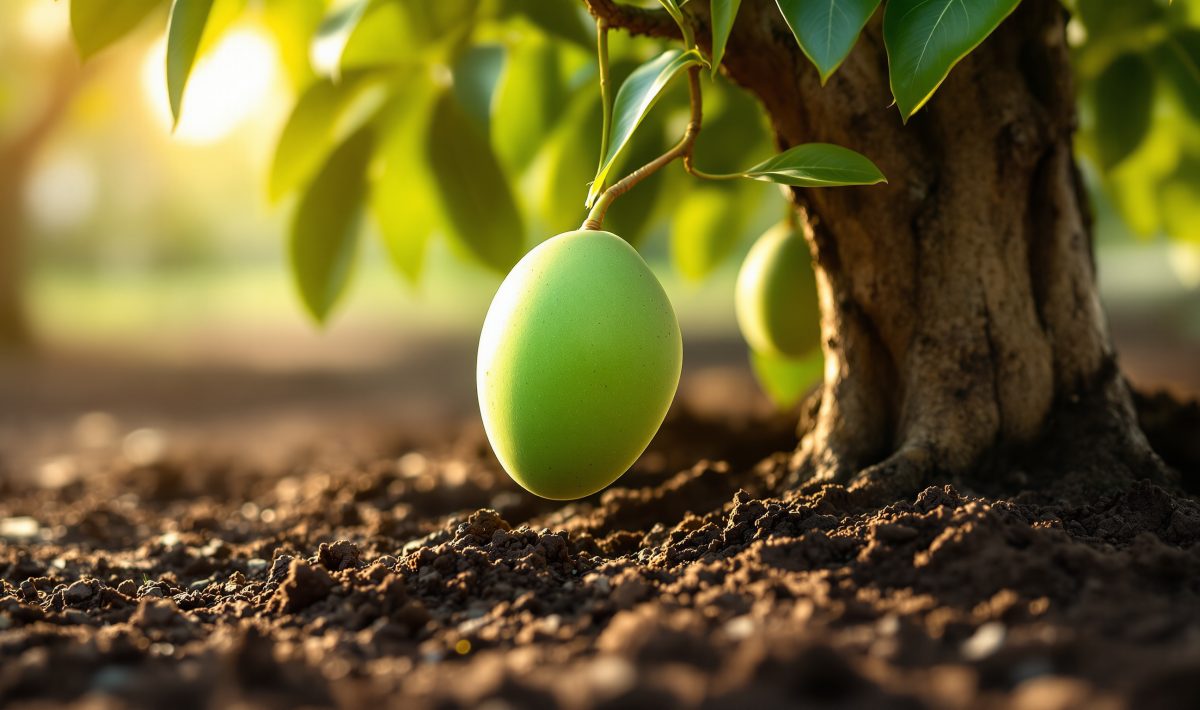
When it comes to growing healthy mango trees, sunlight is absolutely crucial for success. These tropical beauties are true sun worshippers that demand plenty of bright light to thrive, produce delicious fruit, and reach their full potential in your garden.
Mango trees are heliophilic plants, which means they absolutely love full sun exposure. They require a minimum of 6 to 8 hours of direct sunlight daily to grow properly. However, for optimal fruit production, these tropical trees perform best with 8 to 10 hours of bright sunlight each day.
Without adequate sun exposure, your mango tree will struggle with poor growth, reduced flowering, and minimal fruit production. The tree may survive in partial shade, but it won’t thrive like it would in full sun conditions.
Different needs for young vs mature trees
Young mango seedlings can actually benefit from some protection during their first few months. They can handle filtered sunlight or partial shade initially, which helps prevent stress while they establish their root systems. After the first year, gradually transition them to full sun exposure.
Mature mango trees, on the other hand, need that full 8-10 hours of direct sunlight to support their large canopies and heavy fruit production. These established trees are much more resilient and can handle intense tropical sun without issues.
Impact of sunlight on fruit production
The amount of sunlight your mango tree receives directly affects how well it flowers and produces fruit. Trees grown in full sun develop more flower clusters, which means more potential mangoes for you to enjoy.
Adequate sunlight also helps improve the quality of the fruit itself. Mangoes grown on well-lit trees tend to be larger, sweeter, and more colorful. The sun helps the tree convert nutrients more efficiently, leading to better overall fruit development.
Variety considerations
Different mango varieties have slightly varying sunlight needs, though most require similar amounts. Dwarf varieties grown in containers may need careful positioning to ensure they get enough light, especially if you’re growing them indoors or on a patio.
Standard-sized mango trees that can reach 30 meters tall in ideal conditions need consistent full sun throughout their growing season. These large trees have extensive canopies that require abundant light to support all their branches and leaves.
Creating optimal growing conditions
When choosing a location for your mango tree, look for the sunniest spot in your garden. Avoid areas that are shaded by buildings, other trees, or structures for significant portions of the day. South-facing locations typically receive the most consistent sunlight throughout the day.
Just as understanding light requirements is crucial for mango trees, knowing the sunlight requirements for garlic mustard can help you plan your garden layout more effectively when growing multiple plants with different needs.
Soil and drainage considerations
While sunlight is crucial, it works best when combined with proper soil conditions. Mango trees prefer well-draining soil that doesn’t stay waterlogged after rainfall or irrigation. Good drainage prevents root rot, which can be especially problematic in constantly wet conditions.
The combination of full sun and proper drainage helps create the ideal growing environment. Wet soil in full sun can actually stress the tree, so balance is important for healthy growth and fruit production.
Container growing and sunlight
If you’re growing a mango tree in a pot or container, positioning becomes even more critical. You’ll need to place the container where it receives those essential 8-10 hours of direct sunlight daily. This might mean moving the pot seasonally as the sun’s angle changes throughout the year.
Container-grown mango trees often stay smaller than their ground-planted counterparts, but they still need full sun exposure to produce fruit. These potted trees can be easier to manage and position for optimal light exposure.
Similar attention to light needs applies to other flowering plants too, such as understanding Aphrodite’s phalaenopsis sunlight needs when planning your garden’s overall design.
Signs of insufficient light
Watch for these warning signs that your mango tree isn’t getting enough sunlight:
Sparse or absent flowering
Leggy, weak growth reaching toward light sources
Pale or yellowing leaves
Poor fruit set or no fruit production
Slower overall growth than expected
If you notice these symptoms, consider whether nearby structures or plants are blocking sunlight and make adjustments accordingly.
Seasonal considerations and pruning
During different seasons, the sun’s position changes, which can affect how much light your mango tree receives. Regular pruning helps ensure sunlight can penetrate throughout the tree’s canopy, promoting healthy growth on all branches.
Proper pruning also prevents overcrowding within the tree, allowing air circulation and sunlight to reach interior branches. This is particularly important for fruit production, as flowers and fruits need adequate light exposure to develop properly.
When planning your garden layout, consider how different plants’ light requirements complement each other. For instance, knowing sunlight for Lady banks’s rose can help you create layered plantings that make efficient use of available sunlight.
Maximizing sunlight exposure
To ensure your mango tree gets maximum sunlight, avoid planting it too close to buildings or other large trees that might cast shadows. Plan for the tree’s mature size, which can be quite substantial for standard varieties.
Consider the growth patterns of surrounding plants as well. What starts as adequate sunlight for a young mango tree might become insufficient as nearby plants mature and create more shade over time.
Even climbing plants have specific light needs, such as understanding the optimal sunlight for old man’s beard to ensure it doesn’t compete with or shade your fruit trees.
Long-term success strategies
Successfully growing mango trees requires patience and consistency with sunlight exposure. These trees can take several years to begin producing fruit, but maintaining proper light conditions throughout this period is essential for eventual success.
Remember that mango trees are tropical plants that have evolved in consistently sunny climates. They’re naturally adapted to handle full sun conditions and actually thrive under intense light that might stress other plants.
With proper sunlight management, good soil conditions, and regular care, your mango tree can provide you with delicious tropical fruit for many years. The investment in ensuring adequate sunlight exposure will pay off handsomely when you’re enjoying fresh, homegrown mangoes from your own garden.
Allan is a lifelong gardening enthusiast who still gets excited when the first seedlings pop up in spring. With a deep love for nature and a hands-in-the-soil approach, he shares practical tips, plant discoveries, and clever tricks picked up over years of digging, planting, and observing. Whether you’re a new gardener or have a shed full of tools, Allan writes like a neighbor who’s always happy to swap cuttings and stories over the fence.
You can find more about Allan’s work on Malt or connect with him on LinkedIn.