
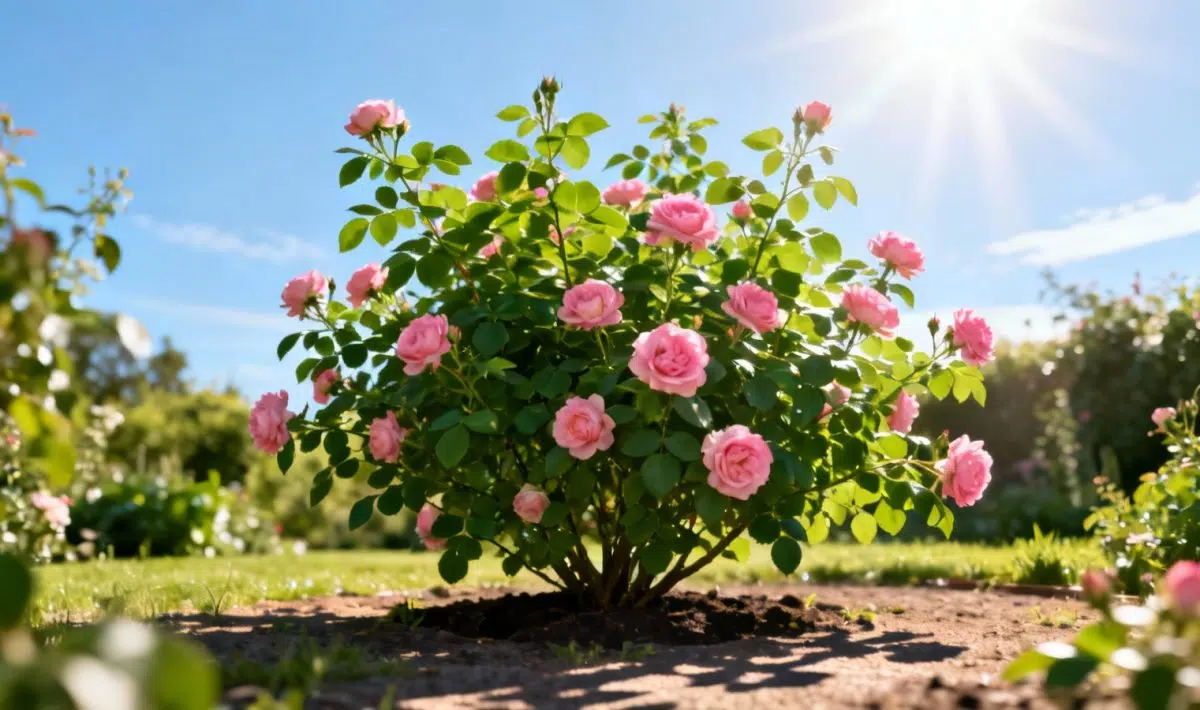
Understanding Lady Banks rose sunlight requirements
Lady Banks rose, a stunning climbing variety known for its vigorous growth and delicate flowers, thrives when given proper light conditions. This remarkable plant requires at least 6 hours of direct sunlight daily to reach its full potential and produce abundant blooms. Understanding these specific light needs helps gardeners create the perfect environment for this beautiful climbing rose.
The quality of light exposure directly impacts both the plant’s overall health and its spectacular flowering display. When positioned correctly, Lady Banks rose can grow rapidly, reaching impressive heights while maintaining strong, disease-resistant foliage. Just as other plants have specific requirements, such as sunlight needs of Aphrodite’s phalaenopsis , this rose demands careful attention to its lighting preferences.
Optimal sun exposure for healthy growth
Lady Banks rose performs best with 6-8 hours of direct morning and midday sun. This extended exposure allows the plant to photosynthesize efficiently, supporting robust growth and encouraging prolific flowering. Morning sun is particularly beneficial as it helps dry dew from the leaves, reducing the risk of fungal diseases that can affect rose plants.
The intense afternoon sun can sometimes be challenging, especially in extremely hot climates. However, Lady Banks rose generally tolerates full sun conditions better than many other rose varieties. The plant’s natural vigor and drought tolerance make it well-suited for sunny locations where other roses might struggle.
Direct versus indirect light conditions
Direct sunlight provides the energy needed for strong stem development and flower production. When Lady Banks rose receives adequate direct light, it develops thick, sturdy canes capable of supporting its impressive climbing habit. The plant can reach 15-20 feet in ideal conditions, creating cascading displays of yellow or white flowers in spring.
Indirect light or partial shade significantly reduces flowering potential. While the plant may survive in these conditions, the bloom quantity decreases noticeably, and growth becomes less vigorous. Similar to how bottlebrush sunlight requirements for growth affect its performance, insufficient light limits Lady Banks rose’s natural exuberance.
Impact of shade on flowering and plant health
Insufficient sunlight creates several challenges for Lady Banks rose. Plants grown in shady locations often develop weak, spindly growth as they stretch toward available light sources. This etiolated growth lacks the strength needed to support the plant’s natural climbing tendency and makes it more susceptible to wind damage.
Flowering suffers dramatically when light levels drop below optimal ranges. Lady Banks rose may produce few or no flowers in heavily shaded areas, defeating the primary purpose of growing this spectacular blooming climber. The iconic spring display that makes this rose so beloved requires consistent, strong sunlight throughout the growing season.
Signs of inadequate light exposure
Several symptoms indicate when Lady Banks rose isn’t receiving enough sunlight. Pale, yellowing leaves often appear first, followed by reduced flowering and weak stem growth. The plant may also become more susceptible to pest problems and diseases when stressed by inadequate lighting conditions.
Gardeners should monitor their plants regularly for these warning signs. Early intervention, such as pruning nearby vegetation or relocating the plant, can help restore optimal growing conditions before permanent damage occurs.
Best planting locations and garden placement
Selecting the ideal location requires careful consideration of sun patterns throughout the day. South-facing positions typically provide the most consistent sunlight, making them excellent choices for Lady Banks rose. East-facing locations also work well, offering gentle morning sun and protection from harsh afternoon heat in extremely hot climates.
Avoid planting near large trees or buildings that cast significant shadows during peak daylight hours. The climbing nature of Lady Banks rose makes it perfect for covering pergolas, arbors, or fences in sunny locations. These structures provide support while allowing maximum light exposure from all angles.
Consider seasonal changes in sun patterns when selecting planting sites. Areas that receive full sun in summer might become shaded in winter due to the sun’s lower angle. While Lady Banks rose is dormant during winter months, ensuring good light exposure year-round supports overall plant health and vigor.
Complementary plantings and garden design
When designing garden spaces around Lady Banks rose, choose companion plants with similar light requirements. Many Mediterranean herbs and drought-tolerant perennials thrive in the same sunny conditions. This approach creates cohesive garden design while ensuring all plants receive appropriate care.
Understanding light needs across different plant types helps create balanced garden compositions. Just as apple tree sunlight for healthy growth influences orchard planning, considering each plant’s specific requirements leads to more successful garden outcomes.
Seasonal light considerations and care tips
Lady Banks rose benefits from consistent light exposure throughout its growing season. Spring sunlight supports new growth and flower bud development, while summer sun maintains healthy foliage and supports the plant’s extensive root system. Even during dormancy, adequate winter light helps the plant prepare for the following year’s growth cycle.
Seasonal maintenance should include removing any obstacles that might reduce light penetration. Pruning nearby vegetation, cleaning structures that support the rose, and ensuring good air circulation all contribute to optimal growing conditions. These simple steps maximize the plant’s ability to capture and utilize available sunlight efficiently.
Different varieties of Lady Banks rose may have slightly varying light preferences, but all benefit from generous sun exposure. The yellow-flowered variety ‘Lutea’ and white-flowered ‘Alba Plena’ both perform best with maximum sunlight, producing their characteristic profuse spring displays when properly positioned.
Monitoring and adjusting light conditions
Regular observation helps gardeners fine-tune growing conditions for optimal results. Pay attention to how shadows move across planting areas throughout different seasons and times of day. This information guides decisions about pruning, plant placement, and garden modifications.
Modern gardening benefits from understanding how different plants respond to varying light conditions. For instance, while Lady Banks rose craves full sun, other plants like Aloe vera sunlight care tips demonstrate different light tolerances and requirements, showing how diverse plant needs can be accommodated in thoughtful garden design.
Maximizing sunlight for spectacular blooms
Creating the perfect environment for Lady Banks rose involves more than just ensuring adequate sunlight hours. Proper positioning, regular maintenance, and understanding seasonal changes all contribute to the plant’s success. When these elements align, gardeners are rewarded with breathtaking displays of cascading flowers that make Lady Banks rose such a beloved garden feature.
The investment in providing optimal light conditions pays dividends in plant health, flowering abundance, and overall garden beauty. Lady Banks rose, when properly situated and cared for, becomes a stunning focal point that enhances any outdoor space with its vigorous growth and spectacular spring blooms.

Allan is a lifelong gardening enthusiast who still gets excited when the first seedlings pop up in spring. With a deep love for nature and a hands-in-the-soil approach, he shares practical tips, plant discoveries, and clever tricks picked up over years of digging, planting, and observing. Whether you’re a new gardener or have a shed full of tools, Allan writes like a neighbor who’s always happy to swap cuttings and stories over the fence.
You can find more about Allan’s work on Malt or connect with him on LinkedIn.


