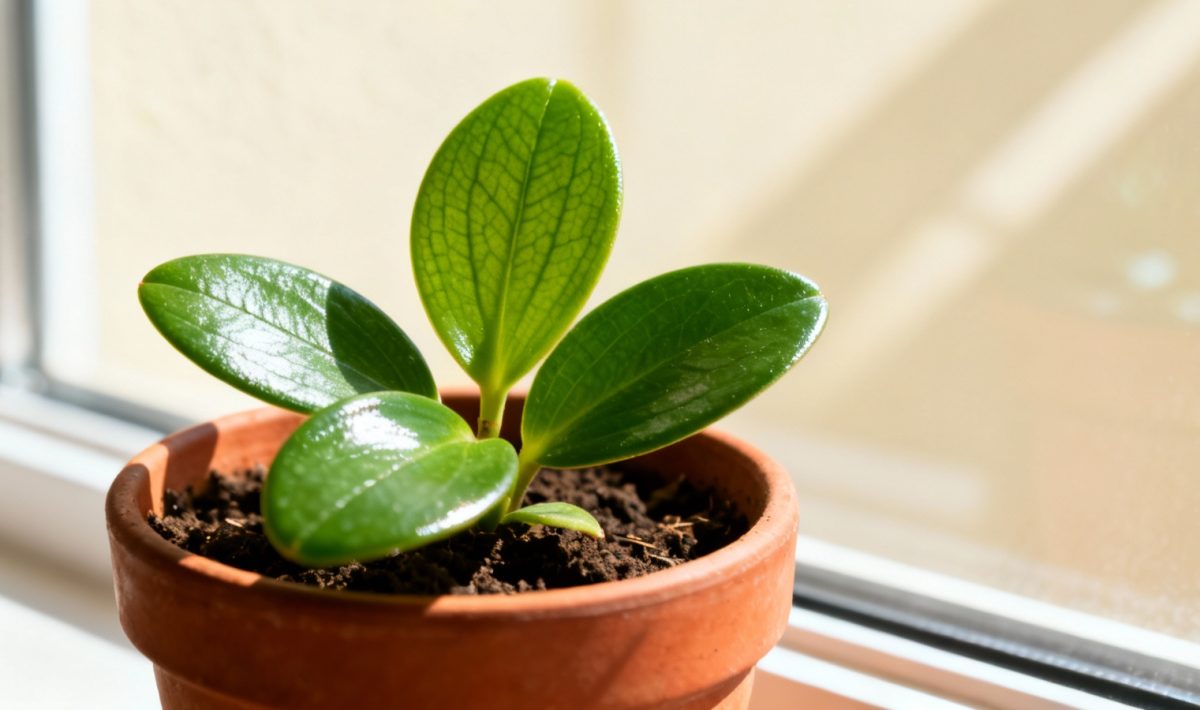
How much sunlight does lady’s thumb need for optimal plant growth
Lady’s thumb, scientifically known as Persicaria maculosa, is a fascinating annual plant that many gardeners encounter in their flower collections. Understanding how much sunlight does lady’s thumb need is crucial for anyone looking to cultivate these beautiful plants successfully. These hardy specimens have specific light requirements that directly impact their growth, flowering, and overall health in your garden space.
Lady’s thumb plants are generally shade-intolerant, which means they thrive best in full sun conditions. These plants need at least 6 to 8 hours of direct sunlight daily for optimal growth and flower production. When provided with adequate light, lady’s thumb develops stronger stems, more vibrant foliage, and produces abundant small pink or white flowers that add charm to any garden collection.
The soil conditions work hand in hand with light exposure for these plants. Lady’s thumb adapts well to various soil types, from sandy to clay-based compositions. However, the combination of proper sunlight and well-draining soil creates the perfect environment for healthy plant development throughout the growing season.
Why sunlight matters for lady’s thumb growth
Photosynthesis reaches its maximum efficiency when lady’s thumb plants receive full sun exposure. This process is essential for the plant’s ability to produce energy, develop strong root systems, and maintain overall plant health. Without adequate sunlight, these plants often become leggy, produce fewer flowers, and may struggle to reach their full potential.
Research shows that lady’s thumb plants grown in shaded conditions adapt by reducing leaf thickness and allocating more resources to foliage rather than flowering. While they can survive in partial shade, their growth becomes significantly reduced, and flower production decreases substantially. Much like how sunlight requirements for cultivating oregano are specific to that herb’s needs, lady’s thumb has its own precise requirements.
Light exposure and plant size
The size of lady’s thumb plants can increase dramatically with proper light and care. These plants can grow 3 to 10 times larger when provided with optimal growing conditions, including full sun exposure and balanced nutrition. This significant growth potential makes proper light management essential for gardeners who want to maximize their plant’s development.
Creating optimal growing conditions
To provide the best environment for lady’s thumb plants, consider these essential factors alongside sunlight exposure. Choose planting locations that receive morning sun, as this helps dry dew from leaves and reduces disease risk. Afternoon sun is equally important for maintaining strong growth throughout the day.
Soil preparation plays a vital role in how well plants utilize available sunlight. Ensure good drainage while maintaining adequate moisture levels. Lady’s thumb plants appreciate consistent soil moisture but cannot tolerate waterlogged conditions, which can lead to root problems regardless of light availability.
Seasonal considerations
During different seasons, the sun’s angle and intensity change, affecting how much light your lady’s thumb plants receive. Spring and early summer provide ideal conditions for establishment and initial growth. As the year progresses, maintaining consistent light exposure becomes crucial for continued flowering and seed production.
Consider the mature height and spread of surrounding plants when planning your garden layout. Just as sunlight needs for growing pineapple require careful consideration of tropical growing conditions, lady’s thumb placement should account for seasonal sun patterns and nearby plant growth.
Managing light in different garden settings
Container gardening offers flexibility for light management with lady’s thumb plants. Pots can be moved to follow the sun throughout the day or relocated if light conditions change seasonally. This mobility allows gardeners to provide optimal light exposure even in challenging spaces.
In established garden beds, strategic placement near south-facing areas typically provides the best light exposure. Avoid planting lady’s thumb in locations that receive shade from buildings, fences, or large trees during peak daylight hours. These plants need consistent light to maintain their natural growth patterns and flowering cycles.
Dealing with insufficient light
If your garden has limited full-sun areas, lady’s thumb can tolerate partial sun conditions, though with reduced performance. In these situations, choose the brightest available spots and expect slower growth and fewer flowers. The plants will adapt but won’t reach their full potential compared to specimens grown in ideal conditions.
Similar to how optimal sunlight for watermelon growth requires specific attention to light duration and intensity, lady’s thumb benefits from consistent monitoring of light conditions throughout the growing season.
Practical care tips for healthy plants
Regular observation helps determine if your lady’s thumb plants are receiving adequate sunlight. Healthy specimens display compact growth, vibrant green foliage with characteristic dark markings, and abundant flower production. Insufficient light typically results in stretched, weak stems and reduced flowering.
Watering practices should complement light exposure for optimal results. Plants in full sun require more frequent watering than those in partial shade, as soil moisture evaporates more quickly. Monitor soil conditions regularly and adjust watering schedules based on light exposure and weather conditions.
Fertilization can enhance the benefits of proper light exposure. A balanced fertilizer applied during the growing season supports vigorous growth when combined with adequate sunlight. However, avoid over-fertilizing, as this can lead to excessive foliage growth at the expense of flower production.
Companion planting considerations
When incorporating lady’s thumb into mixed plantings, choose companions with similar light requirements. This ensures all plants in the area receive appropriate sun exposure without competition for resources. Consider plant heights and growth habits to prevent shading of smaller specimens.
Understanding the light needs of different plants helps create harmonious garden designs. For instance, knowing sunlight requirements for spearmint growth allows for better planning when combining herbs and ornamental plants like lady’s thumb in the same garden space.
Maximizing your lady’s thumb success
Success with lady’s thumb plants begins with understanding their fundamental need for full sun exposure. These adaptable plants reward gardeners who provide proper light conditions with vigorous growth, attractive foliage, and prolific flowering throughout the growing season.
Remember that consistent light exposure from planting through harvest ensures the best results. Whether you’re growing lady’s thumb for its ornamental value or as part of a diverse plant collection, adequate sunlight remains the foundation of healthy plant development. With proper care and attention to light requirements, these beautiful plants will thrive and enhance any garden space with their unique charm and resilience.
Allan is a lifelong gardening enthusiast who still gets excited when the first seedlings pop up in spring. With a deep love for nature and a hands-in-the-soil approach, he shares practical tips, plant discoveries, and clever tricks picked up over years of digging, planting, and observing. Whether you’re a new gardener or have a shed full of tools, Allan writes like a neighbor who’s always happy to swap cuttings and stories over the fence.
You can find more about Allan’s work on Malt or connect with him on LinkedIn.