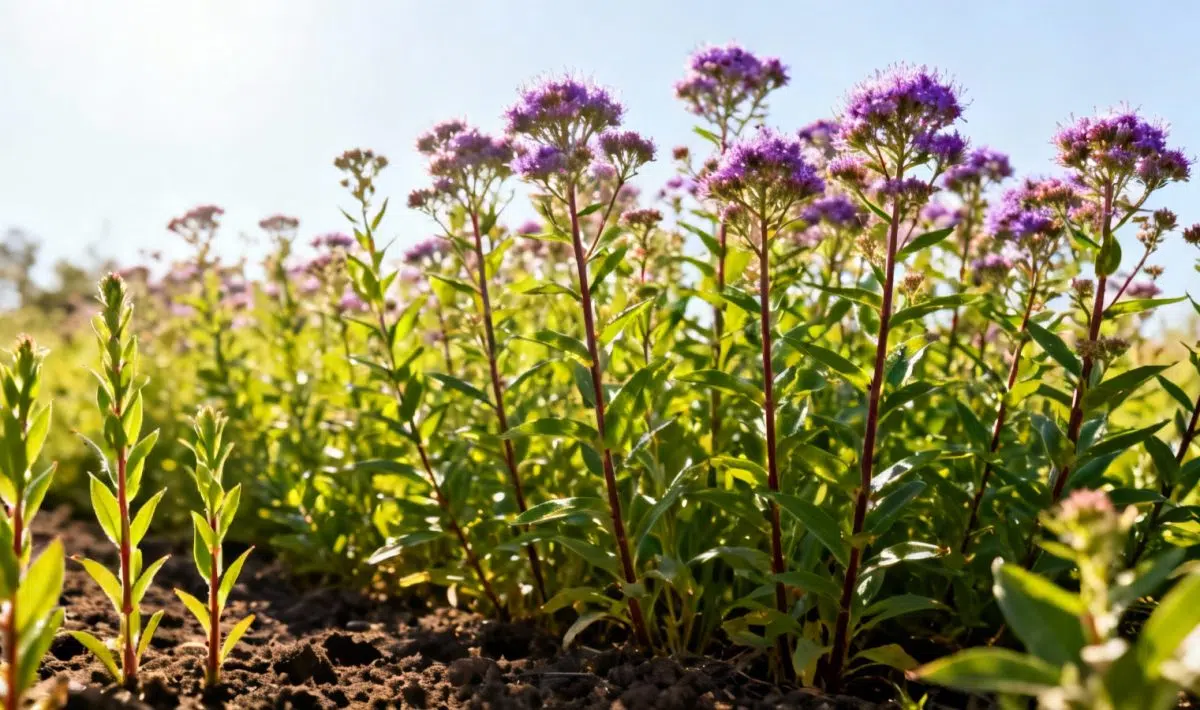
Dense blazing star, scientifically known as Liatris squarrosa, is a stunning native perennial that demands specific lighting conditions for optimal growth. This remarkable wildflower thrives in full sun environments, requiring at least 6 hours of direct sunlight daily to reach its full potential. When you provide the right amount of sun exposure, your dense blazing star will reward you with vibrant purple flower spikes that attract butterflies and other pollinators throughout the growing season.
The relationship between sunlight and this native beauty is quite straightforward – more sun generally means better performance. However, understanding the nuances of light requirements can make the difference between a struggling plant and a thriving garden centerpiece. Just like sunlight requirements for growing oregano, dense blazing star has evolved specific needs that mirror its natural prairie habitat.
Why sunlight is crucial for dense blazing star growth
Sunlight serves as the primary energy source for photosynthesis, which directly impacts your dense blazing star’s ability to produce the strong stems and abundant blooms that make this plant so desirable. In full sun conditions, these plants typically reach heights of 1 to 3 feet, with sturdy flower stalks that can support the weight of their distinctive purple blooms without staking.
The intensity of sunlight also affects flower production significantly. Plants receiving adequate sun exposure will produce multiple flower spikes per season, each measuring about 1 inch in diameter. These blooms not only provide visual appeal but also serve as important nectar sources for native pollinators, making your garden a valuable habitat for wildlife.
Moreover, proper sunlight exposure helps regulate the plant’s natural growth cycle. Similar to how optimal sunlight for pineapple cultivation affects fruit development, dense blazing star uses light cues to time its blooming period, typically flowering from late summer into fall when many other plants are beginning to fade.
How light affects plant structure and health
When dense blazing star receives insufficient sunlight, you’ll notice several telltale signs that indicate your plant is struggling. The stems may become elongated and weak as the plant stretches toward available light sources, a process called etiolation. This stretching often results in plants that require staking and are more susceptible to wind damage.
Additionally, inadequate light exposure can lead to reduced flowering, with plants producing fewer and smaller flower spikes. The foliage may also appear less vibrant, lacking the deep green color that characterizes healthy specimens. These changes not only affect the plant’s appearance but also its ability to photosynthesize efficiently and store energy for the following growing season.
Optimal growing conditions for dense blazing star
Creating the ideal environment for your dense blazing star involves more than just ensuring adequate sunlight. These plants prefer well-draining sandy or rocky soils that mimic their native prairie habitats. They’re remarkably drought-tolerant once established, making them excellent choices for xeriscaping and low-maintenance gardens.
The best planting locations receive morning sun and continue to have bright exposure throughout most of the day. South-facing gardens typically provide ideal conditions, though east or west-facing areas can also work well if they receive at least 6 hours of direct sunlight. Much like sunlight needs for watermelon growth, timing and consistency of light exposure are crucial factors.
When planning your garden layout, consider that dense blazing star works beautifully in naturalized settings, wildflower meadows, and prairie-style plantings. They also make excellent additions to perennial borders where their vertical flower spikes provide structural interest and late-season color when many other plants are declining.
Avoiding sun-related problems
While dense blazing star loves sun, there are some considerations to keep in mind, especially in regions with intense summer heat. In areas where temperatures regularly exceed 90°F (32°C), providing some afternoon shade can help prevent stress during the hottest part of the day. This is particularly important for newly planted specimens that haven’t yet developed extensive root systems.
However, be cautious not to overcompensate with too much shade, as this can lead to the problems mentioned earlier. The goal is to provide relief from extreme heat while maintaining the bright conditions these plants need to thrive. Similar to growing spearmint in the sunlight, finding the right balance is key to success.
Managing shade and partial sun conditions
If your garden doesn’t offer full sun conditions, you may still be able to grow dense blazing star successfully with some adjustments to your expectations and care routine. Plants grown in partial sun (4-6 hours of direct light) will typically be shorter and may produce fewer flowers, but they can still contribute to your garden’s diversity and wildlife value.
In these conditions, focus on providing the brightest available light, preferably morning sun which tends to be less intense but still provides valuable energy for photosynthesis. You may also need to provide additional support for taller stems, as plants grown in partial shade tend to be more prone to leaning or falling over.
Consider companion planting with other native species that can tolerate similar conditions. This approach creates a more natural ecosystem and can help support the overall health of your garden. Just as light requirements for common juniper vary based on location and conditions, dense blazing star can adapt to less-than-ideal situations with proper care.
Maximizing light in challenging locations
If you’re dealing with limited light conditions, there are several strategies you can employ to help your dense blazing star perform better. Reflective mulches or light-colored stones can help bounce additional light onto the plants, while pruning overhanging branches can increase the amount of direct sunlight reaching your garden beds.
Regular monitoring becomes even more important in these situations. Watch for signs of stress such as pale foliage, weak stems, or delayed flowering, and be prepared to relocate plants if they’re not performing well. Remember that it’s often better to choose plants that are naturally suited to your site’s conditions rather than trying to force incompatible species to survive.
Frequently asked questions about dense blazing star sunlight needs
Can dense blazing star tolerate morning shade?
Dense blazing star can tolerate some morning shade, but it performs best when it receives bright morning light followed by continued sun exposure throughout the day. If your garden only gets morning shade followed by 6+ hours of afternoon sun, your plants should still thrive, though they may bloom slightly later in the season.
How does sunlight affect flowering time?
Adequate sunlight helps regulate the plant’s blooming cycle, with full-sun plants typically flowering from late summer into fall. Plants receiving less light may have delayed or shortened blooming periods, reducing the overall impact in your garden design.
What happens if my dense blazing star gets too much sun?
While these plants love sun, extreme heat combined with poor soil drainage can cause stress. Signs include wilting during the hottest part of the day or scorched leaf edges. In such cases, improving soil drainage and providing some afternoon shade during peak summer heat can help.
Understanding how much sunlight dense blazing star needs is fundamental to growing this beautiful native perennial successfully. By providing at least 6 hours of direct sunlight daily, you’ll be rewarded with robust plants that produce abundant purple flower spikes and support local wildlife. Whether you’re creating a prairie garden or adding late-season interest to perennial borders, proper sun exposure will ensure your dense blazing star becomes a standout feature that returns reliably year after year with minimal maintenance requirements.
Allan is a lifelong gardening enthusiast who still gets excited when the first seedlings pop up in spring. With a deep love for nature and a hands-in-the-soil approach, he shares practical tips, plant discoveries, and clever tricks picked up over years of digging, planting, and observing. Whether you’re a new gardener or have a shed full of tools, Allan writes like a neighbor who’s always happy to swap cuttings and stories over the fence.
You can find more about Allan’s work on Malt or connect with him on LinkedIn.