
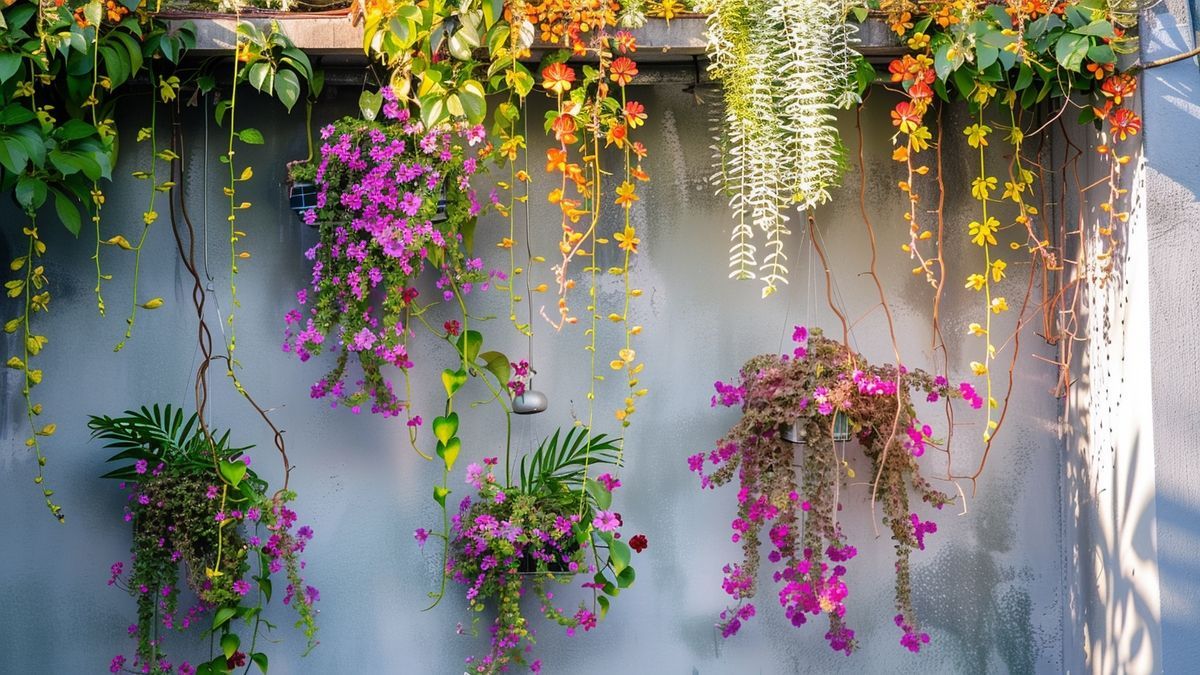
Abundant blooms transform gardens into vibrant ecosystems, attracting pollinators and creating visually stunning landscapes. For gardeners seeking plants that deliver consistent flowering, these 11 species offer a mix of resilience, beauty, and ecological benefits. From drought-tolerant perennials to shade-loving vines, these selections cater to diverse growing conditions while ensuring a kaleidoscope of colors throughout the seasons.
Coneflower: A vibrant pollinator magnet
Why coneflower thrives in sunny gardens
Coneflower (Echinacea spp.) is a hardy perennial renowned for its large, showy blooms that attract bees and butterflies. Its drought tolerance and long blooming period make it ideal for full-sun gardens, where it provides nectar-rich flowers from mid-summer to frost.
Growing conditions and care
Coneflower prefers well-drained soil and full sun to partial shade. It’s low maintenance and suitable for USDA zones 3-8. Pair it with zinnias or angelonia for a colorful, pollinator-friendly garden.
Black-eyed Susan: A cheerful, low-maintenance option

Brightening gardens with golden petals
Black-eyed Susan (Rudbeckia hirta) is a sun-loving perennial with bright yellow petals and dark centers. Its daisy-like blooms attract butterflies and bees, making it a staple in pollinator gardens.
Adaptable growth habits
Thriving in full sun and dry to moderately moist soil, Black-eyed Susan is ideal for prairies, meadows, and cottage gardens. It’s resistant to deer and drought, ensuring blooms even in challenging conditions.
Coral Honeysuckle: A shade-loving climber
Adding color to shaded areas
Coral Honeysuckle (Lonicera sempervirens) is a vibrant climbing vine that thrives in part shade. Its tubular red flowers are a favorite of hummingbirds, providing a burst of color in spring and summer.
Training and maintenance
Train this non-invasive vine on trellises or arbors. It requires minimal care, tolerating a range of soils and light conditions. Pair it with shade-tolerant perennials like wild geranium for layered interest.
Columbine: A hummingbird magnet

Delicate blooms with ecological value
Columbine (Aquilegia spp.) features spurred flowers in shades of red, pink, and purple. These blooms are specifically adapted to attract hummingbirds, which pollinate the flowers as they feed.
Regional varieties and care
Choose species suited to your climate: Aquilegia canadensis for eastern gardens, Aquilegia formosa for the West Coast, and Aquilegia coerulea for mountainous regions. Plant in well-drained soil with partial shade to full sun.
Cardinal Flower: A late-summer standout
Bold red blooms for late-season color
Cardinal Flower (Lobelia cardinalis) produces tall spikes of bright red flowers that bloom from mid to late summer. Its tubular blooms are highly attractive to hummingbirds and butterflies.
Moisture-loving habitats
This perennial thrives in wetland areas or rain gardens, tolerating full sun to partial shade. Its red flowers contrast beautifully with green foliage, adding drama to late-season gardens.
Dense Blazing Star: A purple pollinator haven

Stately plumes for dry gardens
Dense Blazing Star (Liatris spicata) features purple plumes that attract butterflies and native bees. Its grass-like foliage and drought tolerance make it ideal for full-sun landscapes.
Companion planting strategies
Pair it with coneflower or black-eyed Susan for a cohesive prairie-style garden. Its upright growth adds texture to borders and meadows.
Great Blue Lobelia: A late-blooming gem
Vibrant blue flowers for challenging soils
Great Blue Lobelia (Lobelia siphilitica) offers electric blue blooms from late summer to early fall. Its adaptability to wet or dry soils and full sun to full shade makes it versatile for difficult garden spots.
Supporting late-season pollinators
As many plants stop blooming in late summer, this lobelia provides critical nectar for bees and butterflies. Its blue flowers contrast with autumn foliage, extending seasonal interest.
Wild Geranium: An early-blooming ground cover

Spring color for shaded areas
Wild Geranium (Geranium maculatum) produces pink-to-purple flowers in early spring, offering one of the first nectar sources for emerging pollinators. Its maple-like leaves form a low-growing mat in shaded gardens.
Naturalizing in woodland settings
This perennial spreads via rhizomes, creating colonies under trees. It pairs well with ferns and hostas, adding color to forest floors.
Dwarf Checkermallow: A meadow favorite
Pink spikes for pollinator gardens
Dwarf Checkermallow (Sidalcea malviflora) features bright pink flowering spikes that attract bees, flies, and butterflies. It thrives in full sun to partial shade and well-drained soil.
Managing seed dispersal
Allow plants to set seed and disperse naturally to maintain colonies. Mass plantings with columbines and camas create dynamic meadowscapes.
Pacific Bleeding Heart: A spreading ground cover
Heart-shaped blooms for shaded sites
Pacific Bleeding Heart (Dicentra formosa) produces delicate, heart-shaped flowers that dangle from arching stems. Its spreading rhizomes make it ideal for underplanting shrubs or trees.
Non-invasive growth patterns
Unlike invasive ground covers, this native plant spreads slowly and can be easily divided. Its lacy foliage adds texture to shaded borders.
Dahlias: Lush blooms for summer gardens
Statement flowers in vibrant hues
Dahlias (Dahlia spp.) offer showy, pom-pom-like blooms in shades of pink, purple, and white. Their large flowers attract bees and butterflies, adding drama to full-sun gardens.
Companion planting with zinnias
Pair dahlias with zinnias to create a pollinator-friendly border. Their tall stems provide structure, while zinnias fill gaps with smaller blooms.
Obedient Plant: A tall, tubular bloomer
Late-summer spikes for hummingbirds
Obedient Plant (Physostegia virginiana) features dense spikes of pink to lilac flowers that bloom from mid-summer to fall. Its tubular blooms attract hummingbirds and butterflies.
Growing in wetland conditions
This perennial thrives in moist soils and full sun to partial shade. Its upright growth makes it suitable for pond edges or rain gardens.
False Solomon’s Seal: A forest floor gem
White blooms and red berries
False Solomon’s Seal (Maianthemum racemosum) produces white, fragrant flowers in late spring, followed by red berries that attract birds. Its creeping rhizomes form expansive colonies in shaded areas.
Supporting wildlife ecosystems
The berries disperse seeds, aiding in natural propagation. This plant pairs well with ferns and wild geranium in woodland gardens.
Angelonia: A heat-tolerant summer snapdragon
Whimsical blooms in extreme climates
Angelonia (Angelonia angustifolia) is often called the “summer snapdragon” for its upright spikes of purple, pink, or white flowers. It thrives in full sun and heat, tolerating drought and humidity.
Companion planting with zinnias
Its tall, airy stems complement zinnias’ dense blooms, creating a layered, cottage-style garden. Both attract pollinators and require minimal care.
May Night Salvia: A pollinator magnet
Tall spikes for bees and butterflies
May Night Salvia (Salvia sylvestris) features upright spikes of blue or purple flowers that attract pollinators. Its drought tolerance and full-sun preference make it ideal for Mediterranean-style gardens.
Pairing with coneflower and zinnias
Plant alongside coneflower and zinnias for a cohesive, pollinator-friendly border. Its structured growth adds vertical interest to landscapes.
Vinca: A low-growing ground cover
Filling gaps with heat-tolerant blooms
Annual Vinca (Catharanthus roseus) produces small, star-shaped flowers in pink, white, or purple. Its spreading habit and heat tolerance make it perfect for filling gaps in full-sun borders.
Companion planting strategies
Use vinca to suppress weeds and retain soil moisture. Pair it with taller perennials like coneflower for layered gardens.
Coral Honeysuckle: A shade-loving climber
Repeating color in shaded areas
Coral Honeysuckle (*Lonicera sempervire

Allan is a lifelong gardening enthusiast who still gets excited when the first seedlings pop up in spring. With a deep love for nature and a hands-in-the-soil approach, he shares practical tips, plant discoveries, and clever tricks picked up over years of digging, planting, and observing. Whether you’re a new gardener or have a shed full of tools, Allan writes like a neighbor who’s always happy to swap cuttings and stories over the fence.
You can find more about Allan’s work on Malt or connect with him on LinkedIn.


