
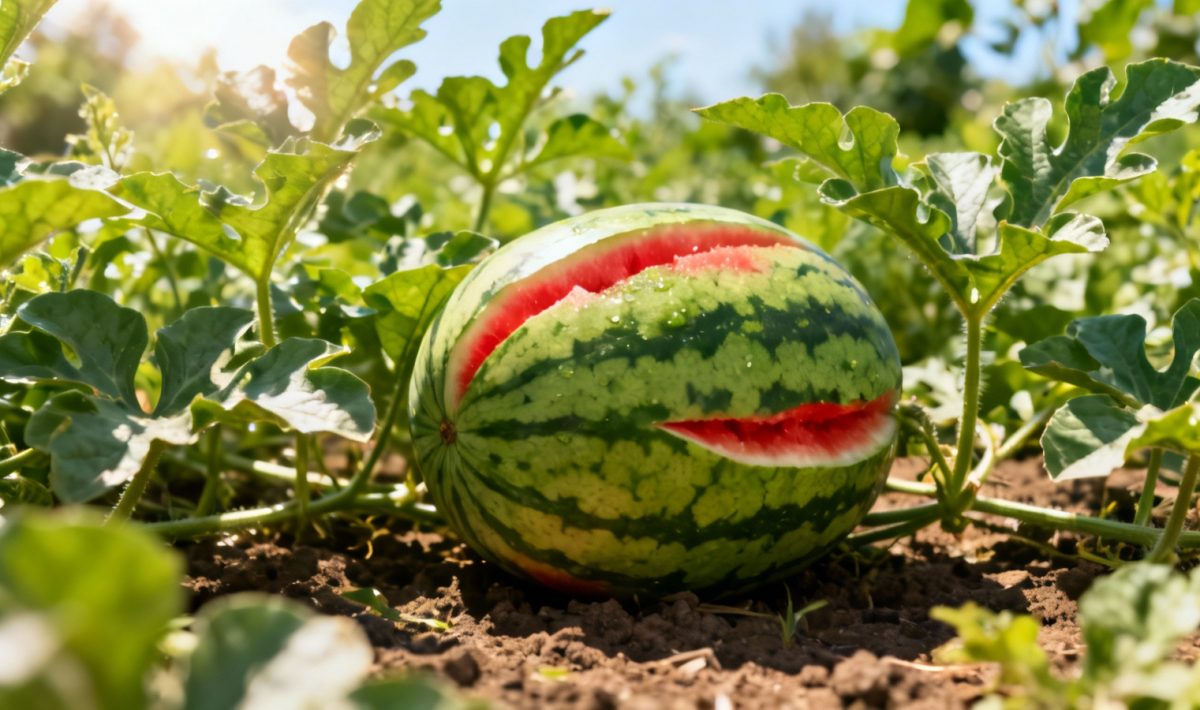
Understanding watermelon sunlight requirements
Growing watermelons successfully starts with understanding their fundamental need for abundant sunshine. These heat-loving fruits thrive in conditions that provide consistent, direct sunlight throughout their growing season. The relationship between sunlight and watermelon development affects everything from germination to the final sweetness of your harvest.
Watermelon plants are naturally heliotropic, meaning they actively seek and follow the sun’s path across the sky. This behavior demonstrates just how crucial adequate light exposure is for their survival and productivity. When you provide the right amount of sunlight, you’re setting the foundation for healthy plants that can produce those juicy, sweet fruits we all love.
Daily sunlight needs for watermelon plants
Watermelons require a minimum of 6 hours of direct sunlight daily, though they perform best with 8 to 10 hours of continuous sun exposure. This generous amount of light is essential for photosynthesis, which powers the plant’s growth and fruit development. Without sufficient sunlight, your watermelon plants will struggle to produce quality fruits.
The intensity and duration of sunlight directly impact the sugar content in your watermelons. Plants that receive full sun exposure throughout the day develop sweeter fruits with better texture and flavor. Consider how optimal sunlight for cucumber growth also requires similar considerations, as many warm-season crops share comparable light requirements.
During the germination phase, seeds need warm soil temperatures between 75-85°F, which direct sunlight helps maintain. However, young seedlings may benefit from slight protection during the hottest part of the day until they establish strong root systems.
Impact of insufficient sunlight
When watermelon plants don’t receive enough sunlight, several problems emerge that can significantly impact your harvest. Plants become leggy and weak, stretching toward available light sources instead of developing sturdy stems. This stretching behavior, called etiolation, results in plants that are more susceptible to diseases and pest problems.
Fruit production suffers dramatically in low-light conditions. You’ll notice fewer flowers forming, and those that do develop often fail to set fruit properly. Even if fruits do form, they tend to be smaller, less sweet, and may have poor color development. The classic striped pattern that many watermelon varieties display becomes less pronounced without adequate sun exposure.
Optimizing your garden for maximum sun exposure
Choosing the right location in your garden is crucial for watermelon success. Look for spots that receive morning sun and continue getting direct light throughout most of the day. South-facing areas typically provide the most consistent sunlight, making them ideal for planting watermelons.
Soil preparation plays an important role in maximizing sun benefits. Dark, well-draining soil absorbs and retains heat better than light-colored or compacted earth. Adding organic matter like compost helps create the loose, fertile conditions that watermelon roots need to establish quickly and take full advantage of sunny conditions.
Consider the spacing between your watermelon plants carefully. Overcrowding leads to competition for light, resulting in shaded leaves and reduced photosynthesis. Each plant needs adequate room to spread its vines and expose all its leaves to direct sunlight. Much like understanding sunlight requirements for spearmint plants helps with herb gardens, proper spacing ensures each watermelon plant gets its share of sunshine.
Managing extreme heat conditions
While watermelons love heat and sunshine, excessive temperatures above 95°F can stress even these sun-loving plants. In extremely hot climates, providing light afternoon shade can prevent leaf scorch and reduce water stress. However, this should be a temporary measure rather than a permanent solution.
Mulching around plants helps regulate soil temperature while conserving moisture. Organic mulches like straw or grass clippings reflect some heat while maintaining the warm soil conditions that watermelon roots prefer.
Planting and growing techniques for sunny conditions
When starting watermelon seeds indoors, place them in the sunniest window available or under grow lights for 14-16 hours daily. Seeds germinate best in warm conditions, and consistent light exposure helps seedlings develop strong, compact growth before transplanting outdoors.
Direct seeding in the garden requires waiting until soil temperatures consistently reach 70°F and all danger of frost has passed. Plant seeds in hills or raised rows to improve drainage and ensure maximum sun exposure to the soil surface. This technique helps warm the root zone more effectively than planting in flat ground.
Throughout the growing season, monitor your plants for signs of adequate light exposure. Healthy watermelon plants have deep green foliage and sturdy stems. The vines should spread vigorously, and flowers should appear abundantly once plants are established.
Companion planting considerations
When planning your garden layout, avoid planting tall crops like corn or sunflowers near your watermelons unless they’re positioned to avoid casting shadows. Even crops with similar light needs can interfere with each other if not properly spaced.
Some gardeners find success growing watermelons near other sun-loving plants that don’t compete for space. Understanding how different plants respond to light helps create harmonious garden designs. For instance, learning about sycamore tree sunlight needs is important when planning around existing landscape trees that might cast shadows.
Monitoring plant health and light exposure
Regular observation helps you assess whether your watermelons are receiving adequate sunlight. Healthy plants show vigorous growth with leaves that maintain their deep green color throughout the day. Flowers should open fully in the morning and remain open until late afternoon.
Watch for signs that indicate light stress or insufficient exposure. Yellow leaves often signal either too much or too little light, depending on the pattern. Leaves that yellow from the bottom up typically indicate natural aging, while widespread yellowing might suggest environmental stress.
The development of fruit size and color provides another indicator of adequate light exposure. Watermelons grown in full sun develop their characteristic size and color patterns more reliably than those grown in partial shade conditions.
Seasonal adjustments and care
As the growing season progresses, the angle of the sun changes, potentially affecting light exposure in your garden. Late-season fruits may need additional attention to ensure they continue receiving adequate light as vine growth becomes more dense.
Pruning excess foliage can help ensure developing fruits get maximum sun exposure. Remove any leaves that are shading developing watermelons, but be careful not to remove too much foliage, as leaves are necessary for photosynthesis and plant energy production.
Interestingly, even plants that typically tolerate different conditions, such as stinging nettle sunlight exposure requirements , demonstrate how various species have evolved specific light needs that must be respected for optimal growth.
Poor fruit set often results from inadequate sunlight reaching the flowering portions of watermelon vines. If you notice plenty of male flowers but few female flowers developing into fruits, insufficient light exposure might be the culprit. Improving light penetration through careful pruning or repositioning supports can help address this issue.
Slow growth and delayed maturity are other common problems associated with insufficient sunlight. Watermelons that don’t receive enough daily sun exposure take longer to reach maturity and may never develop their full flavor potential. This problem becomes particularly noticeable in northern climates with shorter growing seasons.
Uneven ripening or poor color development indicates that some portions of your watermelon plants aren’t receiving uniform light exposure. Rotating developing fruits occasionally can help ensure even sun exposure on all sides, promoting uniform ripening and color development.
Long-term garden planning
Consider how your garden’s light patterns change throughout the growing season when planning future watermelon crops. Trees leaf out in spring, potentially creating new shade patterns that weren’t present during winter planning. Observing these changes helps you make better planting decisions for subsequent years.
Keeping records of which garden areas produce the best watermelons helps identify the optimal sun exposure zones in your specific location. This information becomes valuable for planning crop rotations and maximizing your garden’s productive potential year after year.

Allan is a lifelong gardening enthusiast who still gets excited when the first seedlings pop up in spring. With a deep love for nature and a hands-in-the-soil approach, he shares practical tips, plant discoveries, and clever tricks picked up over years of digging, planting, and observing. Whether you’re a new gardener or have a shed full of tools, Allan writes like a neighbor who’s always happy to swap cuttings and stories over the fence.
You can find more about Allan’s work on Malt or connect with him on LinkedIn.


