How much sunlight does common persimmon need for optimal growth and fruit production
Growing common persimmon trees successfully depends largely on understanding their fundamental light requirements. These remarkable fruit trees, known scientifically as Diospyros virginiana, have specific needs that directly impact their growth, flowering, and fruit production. Getting the sunlight balance right from the start makes all the difference between a thriving tree and one that struggles to produce quality fruits.
The relationship between light exposure and persimmon health becomes especially important when you’re planning where to plant your seeds or young trees. Just like understanding sunlight needs for common fig, persimmon cultivation requires careful attention to positioning and environmental conditions.
Essential sunlight requirements for persimmon trees
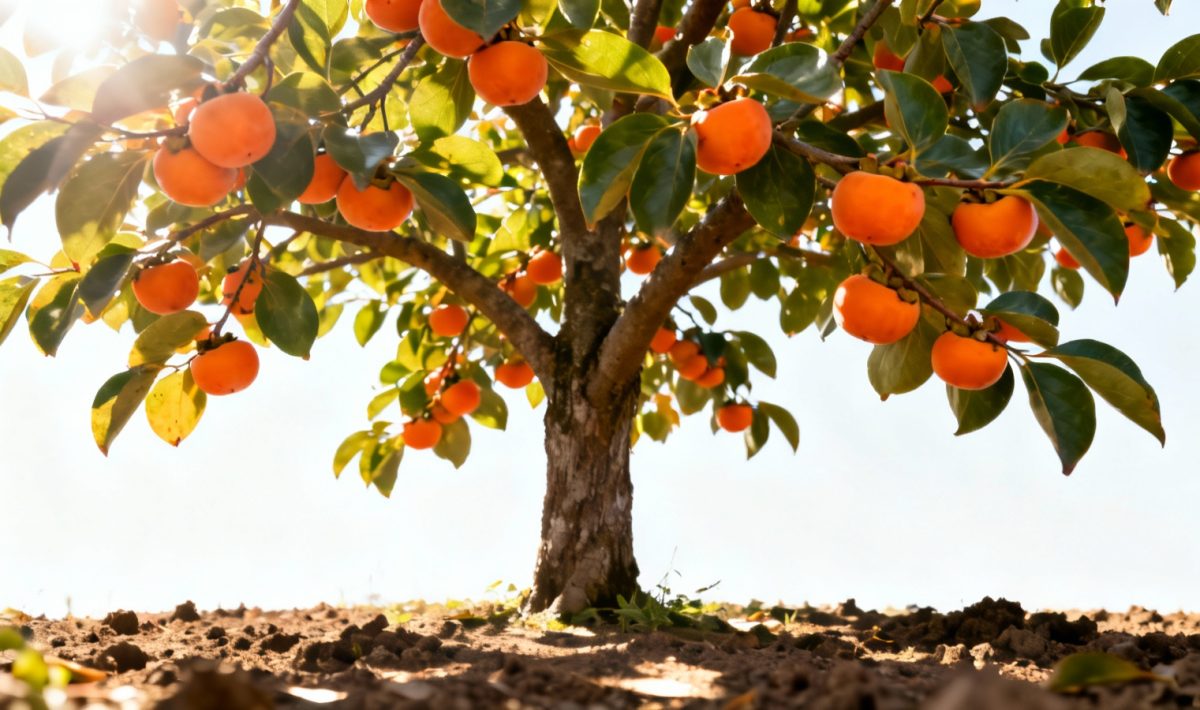
Common persimmon trees thrive best with full sun exposure, requiring at least 6 to 8 hours of direct sunlight daily. This extensive light requirement stems from their natural habitat preferences and their need to photosynthesize efficiently for fruit development. Without adequate sunlight, these trees often produce fewer flowers and subsequently fewer fruits, making proper positioning crucial for any gardener.
The quality of light matters just as much as quantity. Morning sunlight proves particularly beneficial as it helps dry dew from leaves, reducing fungal disease risks. Afternoon sun, while intense, provides the energy needed for sugar development in the fruits, contributing to their characteristic sweetness that makes persimmons so prized.
Young persimmon trees can tolerate partial shade during their first year, but mature trees absolutely need full sun exposure for optimal performance. This gradual increase in light requirements allows gardeners to establish seedlings in slightly protected locations before transplanting to their permanent sunny spots.
Understanding light impact on fruit production
The connection between sunlight and persimmon fruit quality becomes evident when comparing trees in different light conditions. Full-sun persimmons typically produce larger, sweeter fruits with better color development. The orange and red pigments that make these fruits so attractive develop most intensely under bright light conditions.
Insufficient light often results in smaller fruits with less developed flavors. These trees may also exhibit delayed ripening, causing fruits to remain astringent longer than those grown in optimal conditions. For gardeners seeking the best fruit quality, ensuring adequate light exposure ranks among the most important cultivation decisions.
Similar to how essential sunlight for watermelon plants affects their development, persimmon trees rely heavily on photosynthesis to create the energy needed for fruit development and sugar accumulation.
Optimal positioning and planting considerations
When selecting a location for your persimmon tree, choose the sunniest available spot in your garden. South-facing locations typically provide the most consistent light throughout the day, making them ideal for these sun-loving plants. Avoid areas shaded by buildings, fences, or larger trees that might block crucial morning or afternoon light.
Spacing becomes particularly important when planting multiple trees or when persimmons are part of a mixed garden. These trees can grow quite large, reaching heights of 30-60 feet when mature, so adequate spacing prevents them from shading each other or neighboring plants as they develop.
Consider the mature size when planning your garden layout. What seems like adequate spacing for young trees may prove insufficient as they grow, potentially creating shade problems for other light-loving plants in your garden, much like considerations needed for sunlight requirements for blackberries.
Managing shade and improving light exposure
Sometimes existing garden conditions don’t provide perfect sunlight exposure, but several strategies can help improve the situation. Pruning nearby trees or shrubs that cast unwanted shade represents the most direct approach to increasing light availability for your persimmon trees.
Reflective surfaces can help redirect additional light toward persimmon trees planted in areas with marginal sun exposure. Light-colored mulch, nearby white walls, or even strategically placed mirrors can supplement natural sunlight, though these techniques work best as supplements rather than primary light sources.
For container-grown persimmons, mobility offers a significant advantage. Moving pots throughout the growing season to follow the sun can help maximize light exposure, especially useful for gardeners with limited sunny space or changing shade patterns.
Recognizing insufficient light symptoms
Persimmon trees clearly communicate when they’re not receiving adequate sunlight through various visible symptoms. Leggy growth, where branches stretch toward available light sources, often indicates insufficient overall light exposure. These trees may also develop sparse foliage and reduced flowering.
Fruit production provides another clear indicator of light adequacy. Trees in insufficient light produce fewer flowers, which directly translates to fewer fruits. The fruits that do develop often remain smaller and may exhibit poor flavor development compared to those grown in optimal conditions.
Leaf color changes can also signal light stress. While this varies by variety, many persimmons develop lighter green foliage when struggling with inadequate light exposure. Understanding these signs, similar to recognizing issues with sunlight needs for spearmint growth, helps gardeners make timely adjustments.
Seasonal light considerations and adjustments
Light availability changes dramatically throughout the growing season, and successful persimmon cultivation requires understanding these variations. Summer provides the most intense and longest-duration light, perfect for fruit development and tree growth. However, young trees may benefit from some protection during extremely hot afternoons in their first year.
Spring light becomes crucial for flower development and early fruit set. Ensuring trees receive adequate light during this period directly impacts the year’s fruit production. Fall light helps fruits complete their ripening process and allows trees to store energy for winter dormancy.
Winter positioning matters less since deciduous persimmons lose their leaves, but planning for the following year’s growth should consider how changing sun angles might affect light exposure. Trees that receive adequate winter sun often break dormancy more reliably in spring.
Varieties and their specific light needs
Different persimmon varieties may have slightly varying light requirements, though all prefer full sun conditions. Asian varieties, often grown from imported seeds, typically need consistent bright light for proper fruit development. These varieties often produce the large, sweet fruits prized for fresh consumption.
American persimmons, being native plants, show slightly more tolerance for varying light conditions but still perform best in full sun. These trees often adapt better to local climate conditions while maintaining their preference for bright, consistent light exposure throughout the growing season.
When growing persimmons from seeds, regardless of variety, providing optimal light conditions from germination through establishment gives young trees the best start possible. Just as other garden plants like optimal sunlight for common bugle require specific conditions, persimmon seedlings benefit from consistent, appropriate light exposure.
Creating the ideal growing environment
Beyond basic sunlight requirements, successful persimmon cultivation involves creating an environment where these trees can thrive. Good air circulation around trees prevents fungal issues while ensuring light reaches all parts of the tree canopy. Regular pruning helps maintain tree structure and improves light penetration throughout the branches.
Soil preparation and drainage work hand-in-hand with light exposure to create optimal growing conditions. Well-draining soil prevents root problems that might stress trees and reduce their ability to utilize available sunlight effectively. Proper nutrition supports healthy growth that maximizes the benefits of adequate light exposure.
Consistent watering during establishment helps young trees develop strong root systems capable of supporting vigorous growth in full sun conditions. Once established, persimmons typically handle drought well, but adequate moisture during fruit development improves both yield and quality.
Allan is a lifelong gardening enthusiast who still gets excited when the first seedlings pop up in spring. With a deep love for nature and a hands-in-the-soil approach, he shares practical tips, plant discoveries, and clever tricks picked up over years of digging, planting, and observing. Whether you’re a new gardener or have a shed full of tools, Allan writes like a neighbor who’s always happy to swap cuttings and stories over the fence.
You can find more about Allan’s work on Malt or connect with him on LinkedIn.