
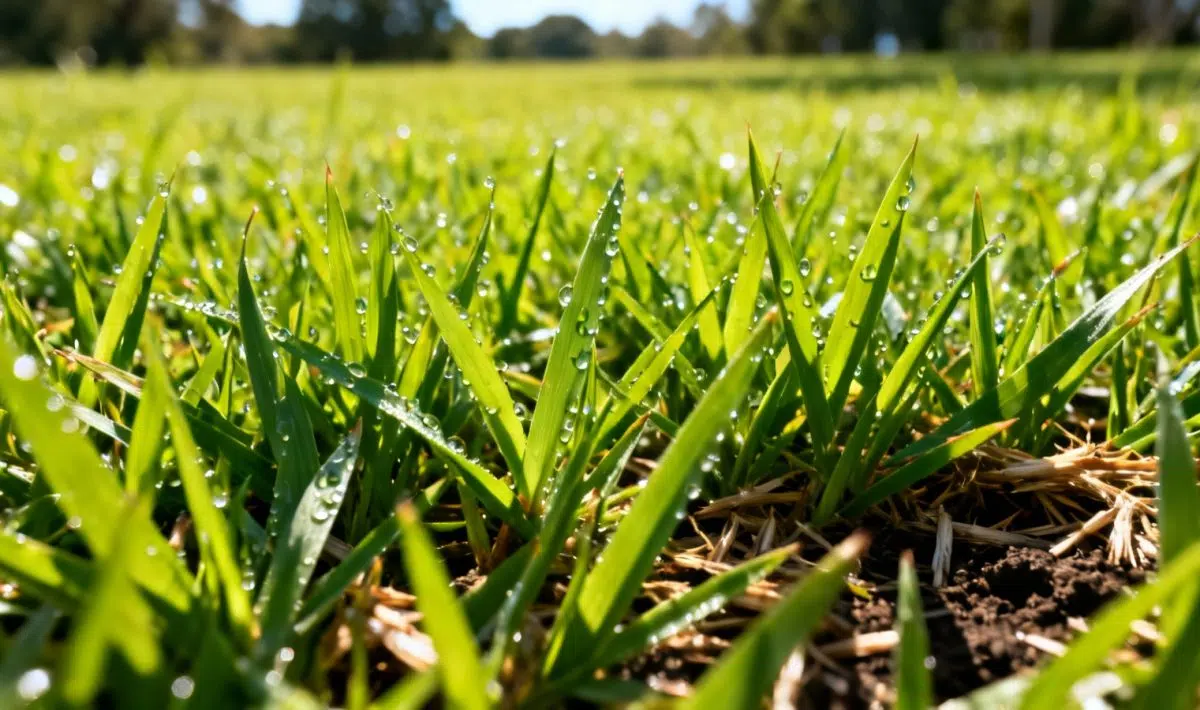
Creating a beautiful lawn with kikuyu grass starts with understanding its fundamental needs, and sunlight stands at the top of that list. This warm-season grass variety has specific requirements that can make or break your lawn maintenance efforts, especially in regions where full sun exposure varies throughout the day.
What makes kikuyu grass special?
Kikuyu grass originates from Africa’s tropical regions and belongs to the warm-season grass type family. Unlike cool-season varieties, this robust grass thrives in hot climates and exhibits remarkable durability once established. Its dense growth pattern and vibrant green color make it a first choice for many homeowners seeking low-maintenance lawns.
The name kikuyu comes from the Kikuyu people of Kenya, where this grass grows naturally in highland areas. Today, it’s widely cultivated in Australia, California, and other warm regions for both residential and commercial landscaping projects.
Kikuyu grass sunlight requirements: the essential facts
How much sunlight does kikuyu grass need? The answer is straightforward: kikuyu requires a minimum of 6 to 7 hours of direct sunlight daily. This isn’t a suggestion – it’s a necessity for maintaining healthy, dense growth and that characteristic deep green color that makes kikuyu lawns so attractive.
When kikuyu receives less than this optimal amount of light, you’ll notice several warning signs. The grass begins to thin out, loses its vibrant color, and becomes more susceptible to weed invasion. In heavily shaded areas, kikuyu simply cannot compete with shade-tolerant weeds and will gradually disappear.
Evaluating your garden’s sun exposure
Before planting kikuyu, spend time observing your garden throughout different seasons. Morning sun is particularly valuable, as it helps dry dew quickly and reduces disease risk. Afternoon sun provides the energy needed for photosynthesis and robust growth.
Use a simple sun calculator or smartphone app to track sunlight hours in various areas of your property. Remember that sun patterns change seasonally, so what works in summer might not provide adequate light during winter months when the sun’s angle is lower.
Managing shade challenges with kikuyu
Even in gardens with good overall sun exposure, certain areas under trees or near structures may receive insufficient light. Kikuyu under trees faces a double challenge: reduced sunlight and competition from tree roots for water and nutrients.
If you’re dealing with partial shade, consider pruning lower tree branches to increase light penetration. However, if an area receives less than 4 hours of direct sunlight, kikuyu isn’t the best choice. For these challenging spots, exploring alternatives like sunlight requirements for growing watermelons can help you understand how different plants adapt to varying light conditions.
Solutions for shaded lawn areas
When kikuyu isn’t suitable due to shade, several warm-season alternatives perform better in low-light conditions. Buffalo grass, for instance, tolerates more shade while still providing good coverage. Similarly, understanding how other plants like sunlight needs for healthy spearmint can give insights into plant adaptation strategies.
For areas receiving 4 to 6 hours of sunlight, you might succeed with improved kikuyu varieties like Eureka, which shows slightly better shade tolerance than traditional types. However, expect slower establishment and more intensive maintenance in these conditions.
Kikuyu versus other grass types
Comparing kikuyu with bermuda grass reveals interesting differences in light requirements. Both are warm-season grasses, but bermuda actually needs even more intense sunlight than kikuyu – typically 8 hours minimum for optimal performance. This makes kikuyu a better choice for gardens with good but not perfect sun exposure.
The beauty of kikuyu lies in its aggressive growth once established in suitable conditions. During peak season, healthy kikuyu can grow up to 2.5 centimeters daily when receiving adequate sunlight, water, and nutrients. This rapid growth means more frequent mowing but also faster recovery from damage.
Temperature considerations for optimal growth
Kikuyu performs best when temperatures range between 60-90°F (15-32°C), which aligns perfectly with its high light requirements. Just as optimal sunlight for cucumbers to thrive depends on temperature combinations, kikuyu needs both warmth and bright light for peak performance.
During cooler months, even with adequate sunlight, kikuyu growth slows significantly. This dormancy period is natural and shouldn’t cause concern, provided the grass receives sufficient light during its active growing season.
Best practices for maximizing sunlight exposure
Strategic planning can help you make the most of available sunlight for your kikuyu lawn. Consider these practical approaches:
- Plant kikuyu in the sunniest areas of your garden first
- Remove or relocate shade-creating obstacles where possible
- Trim overhanging branches seasonally to maintain light levels
- Choose reflective mulch or light-colored hardscaping to bounce additional light onto grass areas
Understanding how different plants utilize light can inform your overall garden design. For example, learning about healthy growth conditions for sycamore trees helps you plan tree placement that won’t interfere with your lawn’s light needs.
Seasonal maintenance for year-round health
During early season growth periods, kikuyu benefits from consistent watering and fertilization to support its rapid development. The combination of abundant sunlight and proper nutrition creates the perfect environment for establishing thick, healthy lawns.
Regular maintenance throughout the warm season includes weekly mowing during peak growth periods. This frequent cutting might seem intensive, but it’s necessary to maintain the dense, carpet-like appearance that makes kikuyu so desirable. Much like ideal sunlight conditions for ghost plants require specific care routines, kikuyu lawns thrive with consistent attention.
When kikuyu receives insufficient sunlight, problems develop quickly. Yellowing grass, thin patches, and increased weed pressure are early warning signs that your lawn isn’t getting enough light. Address these issues promptly by identifying and removing shade sources or considering alternative grass types for problem areas.
Interestingly, some plants like sunlight needs for stinging nettle plants can tolerate more variable light conditions, highlighting why choosing the right plant for your specific site conditions is crucial for long-term success.
Creating the perfect kikuyu environment
Success with kikuyu comes from understanding that this grass type evolved in high-light, warm environments. Your home garden should replicate these conditions as closely as possible. This means prioritizing sun exposure above all other factors when planning your kikuyu lawn installation.
Remember that kikuyu is an investment that pays dividends when grown in optimal conditions. A well-established kikuyu lawn in full sun requires less water than many alternatives, resists foot traffic beautifully, and maintains its good looks with proper maintenance throughout the warm season.

Allan is a lifelong gardening enthusiast who still gets excited when the first seedlings pop up in spring. With a deep love for nature and a hands-in-the-soil approach, he shares practical tips, plant discoveries, and clever tricks picked up over years of digging, planting, and observing. Whether you’re a new gardener or have a shed full of tools, Allan writes like a neighbor who’s always happy to swap cuttings and stories over the fence.
You can find more about Allan’s work on Malt or connect with him on LinkedIn.


