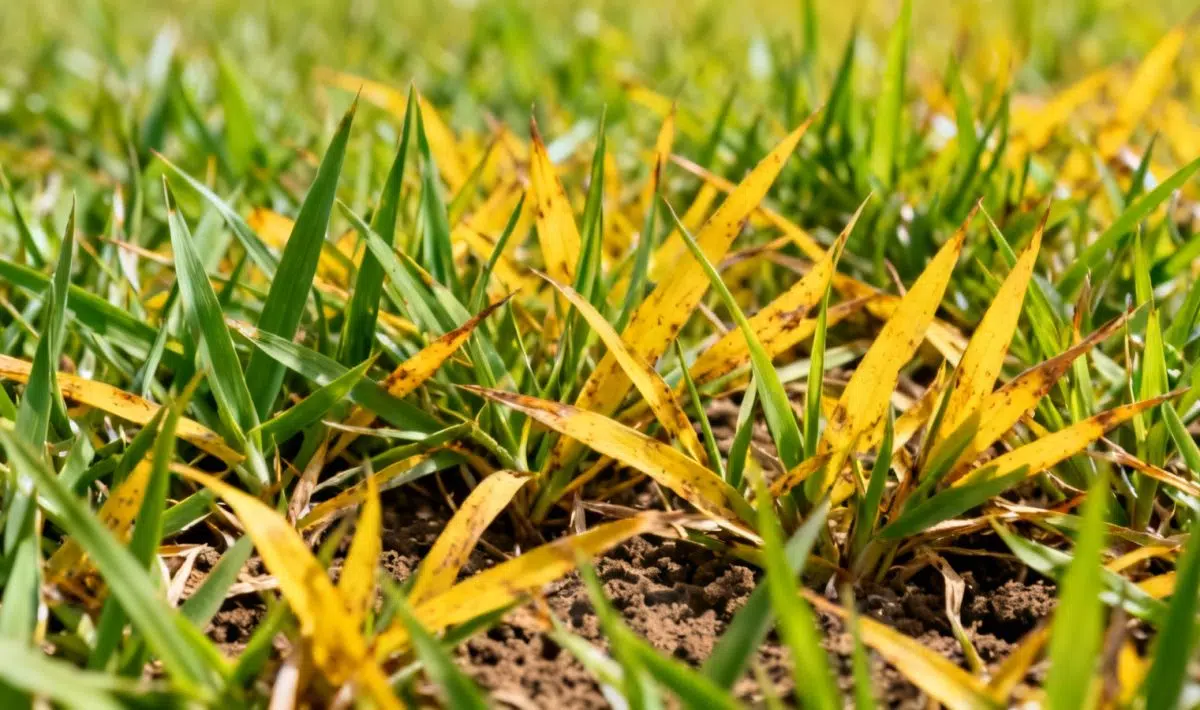
Why are my kikuyu grass leaves turning yellow – common lawn problems and solutions
Nothing’s more frustrating than watching your beautiful kikuyu lawn slowly turn yellow, especially when you’ve been putting in the effort to maintain it. This hardy grass species is typically known for its vibrant green color and resilience, so when those leaves start showing signs of distress, it’s time to investigate what’s going wrong.
Yellowing leaves in kikuyu grass can stem from several factors, ranging from simple watering issues to more complex soil problems. Understanding these causes will help you restore your lawn to its former glory and prevent future problems from occurring.
Kikuyu grass is a warm-season species that thrives in tropical and subtropical climates. This robust lawn variety is beloved by gardening members worldwide for its ability to recover quickly from damage and establish deep root systems. However, even this resilient grass can struggle when environmental conditions aren’t quite right.
The species naturally grows during the warmer months and may slow down or enter dormancy as temperatures drop. During the growing season, healthy kikuyu should display a rich green color with vigorous growth patterns that require regular maintenance.
✅ Quick Checklist
Is the soil too wet or too dry?
Is the plant getting 6+ hours of sunlight daily?
Have you fertilized in the last 2 months?
Are there visible pests under the leaves?
Does the pot have adequate drainage?
🔥 FREE
📱
Diagnose your plant in one click!
AI instant diagnosis • Personalized solutions • 50,000+ species
One of the most frequent culprits behind yellowing grass is nitrogen deficiency. When your kikuyu doesn’t receive adequate nutrition, the older leaves begin turning yellow while newer growth may appear stunted. This typically occurs when the soil lacks essential nutrients or when previous fertilization efforts have been insufficient.
Iron deficiency can also cause yellowing, though it usually affects newer growth first. This condition, known as iron chlorosis, often develops in alkaline soils where iron becomes less available to the grass roots. The yellowing pattern tends to appear between the leaf veins while the veins themselves remain green.
Watering problems that stress your grass
Both overwatering and underwatering can cause kikuyu leaves to turn yellow, though for different reasons. Excessive moisture creates waterlogged conditions that prevent oxygen from reaching the roots, leading to root rot and subsequent yellowing of the foliage.
Conversely, drought stress forces the grass to conserve water by shutting down photosynthesis in older leaves, causing them to yellow and eventually brown. The key is finding the right balance through consistent, deep watering sessions rather than frequent shallow applications.
Disease and pest issues
Fungal diseases often develop after periods of high humidity or excessive moisture, particularly during the rainy season. Common lawn diseases like brown patch or dollar spot can cause yellowing patches that gradually expand across your kikuyu grass. These conditions thrive in warm, moist environments and can quickly spread without proper care and treatment.
Grub infestations also contribute to yellowing grass as these pests feed on the root systems, preventing proper nutrient uptake. You might notice irregular yellow patches that feel spongy underfoot, indicating potential grub damage to the underlying root structure.
Diagnosing your specific lawn problems
Soil analysis and testing
Before implementing any treatment plan, it’s essential to understand your soil conditions through proper testing. A comprehensive soil analysis will reveal pH levels, nutrient content, and organic matter percentages that directly impact your grass health. Most kikuyu varieties prefer slightly acidic to neutral soil with good drainage capabilities.
Testing can be done through professional laboratories or using home testing kits available at garden centers. The results will guide your fertilization strategy and help identify any soil amendments needed to support healthy grass growth.
Identifying patterns in yellow patches
The pattern and distribution of yellowing can provide valuable clues about the underlying cause. Uniform yellowing across the entire lawn typically indicates nutrient deficiency or watering issues, while irregular patches suggest disease or pest problems.
Pay attention to environmental factors like sun exposure, drainage patterns, and recent weather conditions. Areas that receive less sunlight or have poor drainage are more susceptible to fungal problems and may require different treatment approaches than well-draining, sunny locations.
Effective solutions and treatments
Adjusting your watering schedule
Establishing a proper watering routine is crucial for kikuyu grass health. Water deeply but less frequently, aiming for about one inch of water per week including rainfall. Early morning watering allows the grass to dry before evening, reducing the risk of fungal diseases that thrive in moist conditions.
Install a rain gauge or use the “tuna can test” to measure how much water your sprinkler system delivers. Place empty cans around your lawn during watering to ensure even coverage and proper timing for your irrigation cycles.
Fertilization strategies for recovery
A balanced fertilization program will address most nutrient-related yellowing issues in kikuyu grass. Apply a slow-release nitrogen fertilizer during the growing season, typically three to four times per year. The début of spring is an ideal time to start your fertilization schedule when the grass begins actively growing.
For iron deficiency, consider applying iron sulfate or chelated iron products according to manufacturer instructions. These treatments can quickly green up yellow grass, though addressing underlying soil pH issues will provide longer-lasting results.
Disease and pest management
Fungal diseases require prompt treatment with appropriate fungicides, though prevention through proper lawn care practices remains the best approach. Improve air circulation by pruning nearby plants and avoid watering in the evening when moisture lingers longer on grass blades.
For grub problems, beneficial nematodes offer an organic solution that targets pest larvae without harming beneficial soil organisms. Chemical treatments are also available but should be used according to label instructions and local regulations.
✅ Quick Checklist
Is the soil too wet or too dry?
Is the plant getting 6+ hours of sunlight daily?
Have you fertilized in the last 2 months?
Are there visible pests under the leaves?
Does the pot have adequate drainage?
🔥 FREE
📱
Diagnose your plant in one click!
AI instant diagnosis • Personalized solutions • 50,000+ species
Healthy soil forms the foundation of vibrant kikuyu grass. Regular aeration helps improve drainage and allows nutrients to reach the root zone more effectively. Core aeration during the growing season creates channels for air, water, and nutrients while reducing soil compaction from foot traffic.
Adding organic matter through compost applications enhances soil structure and provides slow-release nutrients that support sustained grass health. Similar issues can affect other grass varieties, as seen with bermuda grass leaves turning yellow, highlighting the importance of proper soil management across different lawn types.
Seasonal care considerations
Adjust your care routine according to seasonal changes and weather patterns. During hot summer months, increase watering frequency while maintaining deep irrigation practices. Reduce fertilization during cooler periods when grass growth slows naturally.
Monitor weather forecasts and adjust your lawn care accordingly. Heavy rains may require temporary reduction in irrigation, while drought conditions call for more frequent deep watering sessions to maintain healthy root development.
Building lawn resilience
Encourage deep root growth through proper watering techniques and avoid frequent shallow irrigation that promotes surface root development. Strong root systems help kikuyu grass better withstand environmental stresses and recover more quickly from problems.
Maintain proper mowing height and frequency to reduce stress on your grass. Sharp mower blades create clean cuts that heal quickly, while dull blades tear the grass and create entry points for diseases. These principles apply to various grass species, including honeysuckle, where japanese honeysuckle leaves turning yellow can occur from similar stress factors.
When to seek professional help
Some lawn problems require expert intervention, particularly when multiple issues occur simultaneously or when initial treatment attempts don’t produce desired results. Professional lawn care services can provide detailed soil analysis and customized treatment programs based on your specific conditions and grass variety.
Consider consulting with local extension offices or certified turfgrass professionals who understand regional growing conditions and common lawn problems in your area. These experts can provide valuable insights into local pest cycles, weather patterns, and soil characteristics that affect kikuyu grass health.
Don’t hesitate to reach out to gardening forums and community members who share similar experiences with kikuyu grass care. Online discussion groups often provide practical solutions and troubleshooting tips from experienced lawn enthusiasts who have faced similar challenges.
Remember that restoring a yellowing lawn takes patience and consistent care. Most treatments require several weeks to show visible improvement, so stick with your treatment plan and monitor progress regularly. With proper diagnosis and appropriate treatment, your kikuyu grass can return to its healthy, vibrant green color and continue providing the beautiful lawn you desire.
Allan is a lifelong gardening enthusiast who still gets excited when the first seedlings pop up in spring. With a deep love for nature and a hands-in-the-soil approach, he shares practical tips, plant discoveries, and clever tricks picked up over years of digging, planting, and observing. Whether you’re a new gardener or have a shed full of tools, Allan writes like a neighbor who’s always happy to swap cuttings and stories over the fence.
You can find more about Allan’s work on Malt or connect with him on LinkedIn.