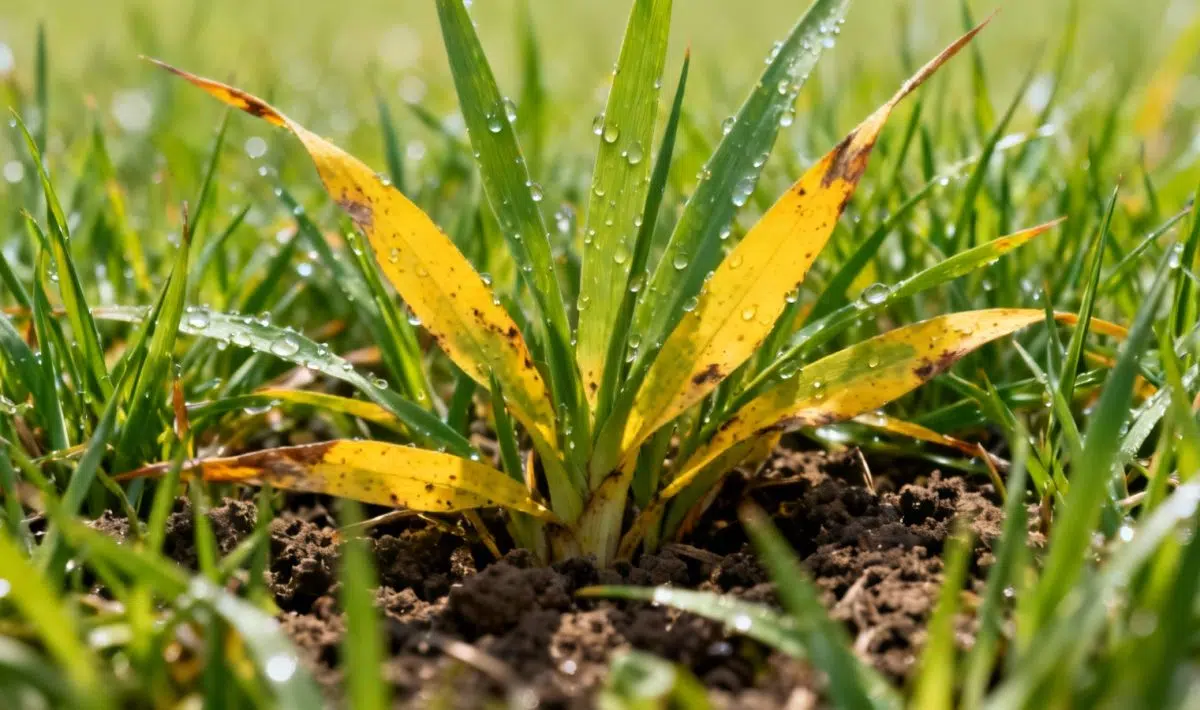
Why are my kentucky bluegrass leaves turning yellow: causes and solutions
Seeing yellow patches spread across your Kentucky bluegrass lawn can be quite alarming. This vibrant green grass variety is known for its beauty, but when it starts losing its color, it’s usually trying to tell you something important. Understanding the root causes behind this yellowing will help you restore your lawn to its former glory and prevent future issues.
Kentucky bluegrass yellowing typically stems from a handful of common culprits that are surprisingly manageable once you know what to look for. The key is identifying whether you’re dealing with watering issues, nutritional problems, or something more serious like disease or pest damage.
Several factors can trigger yellow discoloration in your lawn care routine. The most frequent offenders include improper watering schedules, nutrient deficiencies, and environmental stresses that weaken your grass over time.
Watering problems affecting your lawn
Both overwatering and underwatering can cause significant yellowing in Kentucky bluegrass. When you water too frequently with shallow applications, the roots become lazy and stay near the surface, making them vulnerable to heat stress. Conversely, insufficient water forces the grass to shut down photosynthesis, leading to that telltale yellow appearance.
The ideal approach involves deep, infrequent watering sessions. Your lawn needs about one to one and a half pouces of water weekly, including rainfall. Water early in the morning to reduce evaporation and give the grass time to dry before evening, which helps prevent fungal issues.
✅ Quick Checklist
Is the soil too wet or too dry?
Is the plant getting 6+ hours of sunlight daily?
Have you fertilized in the last 2 months?
Are there visible pests under the leaves?
Does the pot have adequate drainage?
🔥 FREE
📱
Diagnose your plant in one click!
AI instant diagnosis • Personalized solutions • 50,000+ species
Nitrogen deficiency ranks as the primary nutritional cause of yellowing lawns. When Kentucky bluegrass lacks adequate nitrogen, older leaves turn yellow first as the plant redirects available nutrients to newer growth. This creates a gradual yellowing pattern that starts from the bottom and works its way up.
However, too much nitrogen can also cause problems. Excessive fertilization burns the roots and creates rapid, weak growth that’s more susceptible to disease. Finding the right balance requires understanding your soil’s current nutrient levels through proper testing.
Iron deficiency presents another common issue, especially in alkaline soils. This creates a distinctive yellowing pattern where the veins remain green while the leaf tissue turns yellow, a condition known as chlorosis.
Disease and pest-related yellowing
Fungal diseases thrive in humid conditions and can quickly spread yellow patches across your lawn. Summer patch, dollar spot, and brown patch are particularly troublesome for Kentucky bluegrass during hot, humid periods. These diseases often create circular yellow or brown areas that expand over time.
Just as plant enthusiasts might notice cylindrical snake plant leaf issues in their indoor gardens, lawn owners must stay vigilant for similar discoloration patterns. Grub infestations can also cause yellowing as these pests feed on grass roots, preventing proper nutrient uptake.
Diagnosing your lawn’s specific problem
Start your diagnosis with a thorough visual inspection during the early morning hours when dew makes problem areas more visible. Look for patterns in the yellowing – is it uniform across the lawn, concentrated in specific areas, or following irrigation patterns?
Perform a simple soil moisture test by inserting a screwdriver six pouces into the ground. If it goes in easily, your soil has adequate moisture. Resistance indicates dry conditions that might explain the yellowing.
Testing your soil conditions
A professional soil test provides invaluable information about pH levels, nutrient availability, and organic matter content. Kentucky bluegrass prefers slightly acidic to neutral soil with a pH between 6.0 and 7.0. Outside this range, nutrients become less available even when present in the soil.
Most local extension offices offer affordable soil testing services, or you can purchase home test kits for quick results. Test your soil every two to three years to maintain optimal growing conditions.
Solutions to restore your green lawn
Once you’ve identified the cause, implementing the right solution becomes straightforward. Address water issues first since they’re often the quickest to resolve and provide immediate relief to stressed grass.
Proper watering techniques
Establish a deep watering schedule that encourages strong root development. Water early in the morning, ideally between 4 AM and 10 AM, when winds are calm and temperatures are cooler. Apply water slowly to prevent runoff and ensure deep soil penetration.
Invest in quality equipment like sprinklers with even distribution patterns or consider upgrading to smart irrigation systems that adjust watering based on weather conditions and soil moisture levels.
Fertilization strategies
Choose a balanced fertilizer appropriate for your soil test results. For general maintenance, a fertilizer with a 3:1:2 or 4:1:2 ratio of nitrogen to phosphorus to potassium works well for most lawns. Apply fertilizer during the growing season, typically in early spring and fall for cool-season grasses like Kentucky bluegrass.
Avoid fertilizing during hot summer periods when grass is stressed, as this can cause additional burning and yellowing. Similarly, gardeners dealing with red frangipani leaf discoloration causes understand that timing fertilizer applications correctly prevents further plant stress.
Disease and pest control methods
Prevention remains the best approach for managing lawn diseases. Ensure good air circulation by avoiding overwatering and maintaining proper mowing heights. Kentucky bluegrass should be cut to about two and a half to three pouces tall to promote healthy growth.
When fungal diseases do appear, apply appropriate fungicides during cool, calm weather conditions. Always follow label instructions carefully and consider organic alternatives like neem oil or beneficial microbial treatments.
✅ Quick Checklist
Is the soil too wet or too dry?
Is the plant getting 6+ hours of sunlight daily?
Have you fertilized in the last 2 months?
Are there visible pests under the leaves?
Does the pot have adequate drainage?
🔥 FREE
📱
Diagnose your plant in one click!
AI instant diagnosis • Personalized solutions • 50,000+ species
Building a maintenance routine helps prevent future yellowing episodes. Create a seasonal calendar that includes regular fertilization, appropriate watering schedules, and proactive disease monitoring.
Focus on improving soil health through annual aeration and overseeding. Compacted soil restricts root growth and water infiltration, creating stress conditions that lead to yellowing. Core aeration in fall allows air, water, and nutrients to penetrate deeper into the soil.
Monitoring and early detection
Walk your lawn weekly during the growing season, paying attention to changes in color, texture, or growth patterns. Early detection allows for prompt treatment before problems become severe and expensive to address.
Keep detailed records of your lawn care activities, including fertilizer applications, watering schedules, and any treatments applied. This information helps identify patterns and refine your approach over time.
Consider joining online communities or local forums where homeowners share experiences and discuss common lawn care challenges. Learning from others’ successes and mistakes accelerates your own knowledge and skills in maintaining healthy lawns year-round.
Allan is a lifelong gardening enthusiast who still gets excited when the first seedlings pop up in spring. With a deep love for nature and a hands-in-the-soil approach, he shares practical tips, plant discoveries, and clever tricks picked up over years of digging, planting, and observing. Whether you’re a new gardener or have a shed full of tools, Allan writes like a neighbor who’s always happy to swap cuttings and stories over the fence.
You can find more about Allan’s work on Malt or connect with him on LinkedIn.